
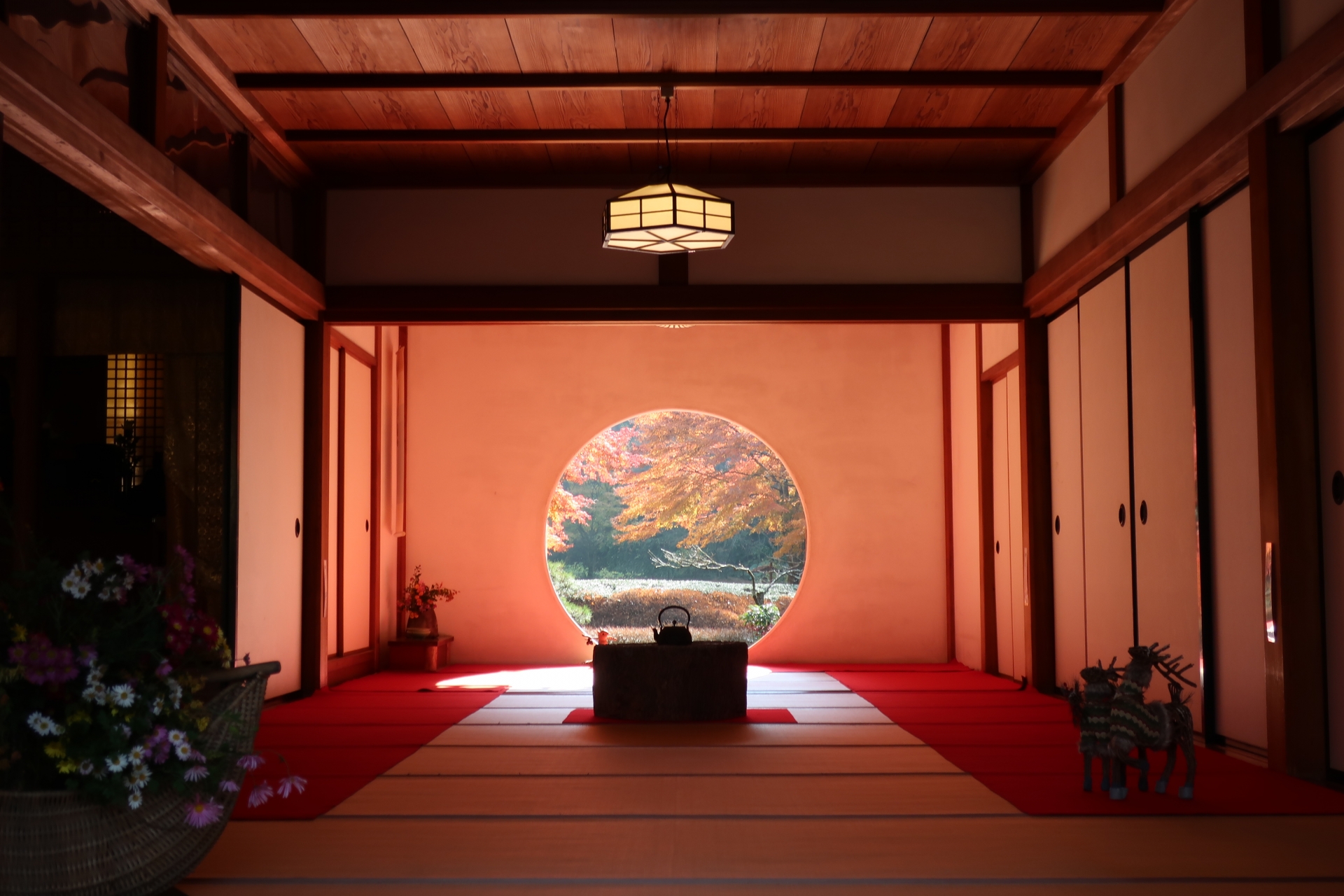
The dual identity of Kamakura: Samurai and Slam Dunk pilgrims
Have you ever heard the name Kamakura? It’s a city about an hour south of Tokyo. In the modern era, Kamakura is perhaps best known as a hotspot for over-tourism—the pilgrimage site for fans of the iconic anime Slam Dunk. It’s a city now defined by manga and pop culture.
But centuries ago, Kamakura held a far more brutal, foundational identity: It was the birthplace of Japan’s first military government (Shogunate), the ground zero for the samurai class.
Samurai ruled Japan for nearly 700 years, but ask any historian which period produced the toughest warriors, and the answer is invariably the Kamakura period (1185 to 1333). “You look like a Kamakura samurai” was the highest possible compliment, even centuries later. (For context, the setting of the popular Shōgun series is nearly 300 years after this golden age.)
Here’s the fascinating, bizarre connection: Just like the warriors, the nails crafted during the Kamakura period are also considered the absolute peak of quality. Why? Because the high-carbon steel—the highest quality steel used for legendary sword-making—was also applied, only slightly less exclusively, to nail production.
The 1,000-Year paradox: Flexibility through minimalism
There’s a persistent myth, even among Japanese people, that our ancient temples and shrines were built without any nails. This is largely false. Nails were indeed used, but only where absolutely necessary: on the outer shell and the base structure.
The genius of Kamakura architecture lies in its philosophy of minimalism and flexibility. High-carbon nails are incredibly hard, but hard steel is brittle. In an earthquake country like Japan, using too many hard nails would make a building dangerously rigid and prone to collapse. Therefore, the nails were limited to an absolute minimum for both structural integrity and design aesthetics. They were stealthily hidden, and if visible, they were decorated.
The result of this careful, minimalistic application? The average lifespan of a Kamakura nail was designed to be 1,000 years. And astonishingly, they can still be recycled and reused during modern repair work. The architects understood that ultimate strength is not in rigidity, but in controlled, flexible movement.
The stealth metal: From ancient temples to your modern chair
This ancient philosophy—minimalism, flexibility, and stealth—is the spiritual core of our modern furniture production.
No, we don’t use 1,000-year-old high-carbon nails in our chairs. We use state-of-the-art screws and metal hardware. But we apply them to a necessary minimum. They are never the primary focus; they are always the hidden, silent partners.
Our goal is to make the joinery look seamless and simple, hiding the complex high-tech metalwork required to ensure durability and flexibility. You won’t see the structural metal, but it’s there, holding the pieces together, allowing the wood to flex and move subtly—just like an ancient temple surviving a seismic shock. I’m confident that when you look at our finished furniture, you’ll have fun just imagining the complex, stealth metal puzzle that holds the wooden structure together, ensuring its own 100-year flexibility.
I confess that while tourists flock to Kamakura for anime, I’m obsessed with the 1,000-year nails of its ancient samurai—minimalist masterpieces that survived a millennium by knowing when to flex. We’ve brought that same ‘stealth metal’ philosophy into the 21st century. Our Hatsune Miku Art Chair hides a complex high-tech puzzle within its seamless wooden frame, ensuring the perfect balance of rigidity and flexibility. It’s a chair built with the spirit of a Kamakura warrior and the elegance of a digital legend. Now, here is a portal to our most resilient secret: the image below is your link to the special site. If you prefer furniture that is as rigid and fragile as a brittle nail, do NOT click it. But if you’re ready to experience the 1,000-year strength hidden in a turquoise-green soul, go ahead. Discover the invisible power. —— The Hatsune Miku Art Chair.


Shungo Ijima
Global Connector | Reformed Bureaucrat | Professional Over-Thinker
After years of navigating the rigid hallways of Japan’s Ministry of Finance and surviving an MBA, he made a life-changing realization: spreadsheets are soulless, and wood has much better stories to tell.
Currently an Executive at CondeHouse, he travels the world decoding the “hidden DNA” of Japanese culture—though, in his travels, he’s becoming increasingly more skilled at decoding how to find the cheapest hotels than actual cultural mysteries.
He has a peculiar talent for finding deep philosophical meaning in things most people ignore as meaningless (and to be fair, they are often actually meaningless). He doesn’t just sell furniture; he’s on a mission to explain Japan to the world, one intellectually over-analyzed observation at a time. He writes for the curious, the skeptical, and anyone who suspects that a chair might actually be a manifesto in disguise.
Follow his journey as he bridges the gap between high-finance logic and the chaotic art of living!