
The “Japan-sickness” and its dark shadow
Lately, social media has been flooded with videos of international tourists who, after visiting Japan, suffer from a kind of “Japan-sickness” upon returning home. They are moved by the politeness of the people, the spotless streets, and the orderly culture that keeps everything running like clockwork. Having traveled the world for business, I can see why. It is a beautiful country. However, where there is light, there is inevitably a shadow.
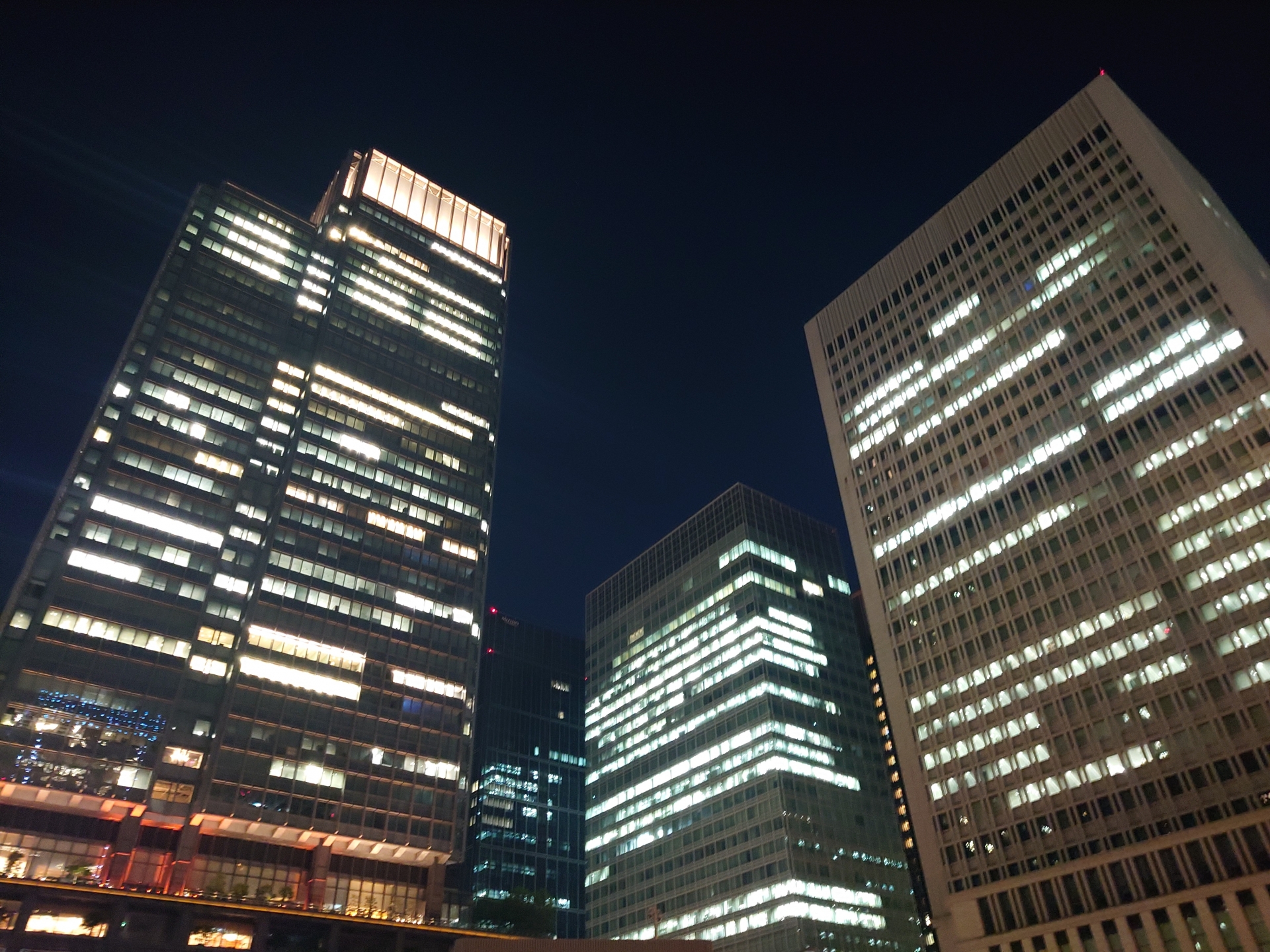
Are you ready to gaze into that shadow? Since 2015, the Japanese government has been pushing for “Work Style Reform.” But this wasn’t sparked by a sudden realization of well-being. It was triggered by tragedy. A young woman at Japan’s top advertising firm took her own life after her overtime exceeded 100 hours a month.
When that news broke, a chill went down my spine. I knew that number all too well. When I worked for the Ministry of Finance—supposedly the elite of the elite—my overtime was also consistently over 100 hours a month. The sad truth is that many of those hours were “service overtime” (unpaid). Even in the richest ministry in Japan, self-sacrifice was considered a virtue. I looked at that news and thought: “That could have been me.” Even today, roughly 150 deaths from overwork (Karoshi) are officially reported every year.
The system: Generalists vs. specialists
This isn’t just about “mean bosses.” It’s a structural trap. The Japanese employment system is built on two pillars: hiring fresh graduates and guaranteed lifetime employment.
In the West, companies hire specialists for specific tasks. When the work runs out, they lay people off. In Japan, companies hire generalists and grow them internally. Because they can’t easily fire people, they adjust their output through the amount of overtime.
- In the Western system, people might suffer from the fear of unemployment.
- In the Japanese system, people suffer from the fear of overwork.
When the government toughened penalties for overtime, many dishonest companies simply told their employees to stop recording their hours. The result? Unpaid “ghost” overtime and even more desperate victims.
The island curse: The death of deviants
There is a deeper, psychological darkness at play here: Peer Pressure. Japan is a closed island society. Did you know that the ratio of psychopaths in island nations is less than 1%, compared to around 4% in continental nations?
Evolutionary psychologists suggest that in a closed society, “deviants” are quickly identified and cast out. In the modern Japanese office, the person who refuses to work overtime is seen as a deviant. The pressure to conform is so suffocating that people would rather collapse from exhaustion than be the first one to leave the office.
The fairtrade of labor
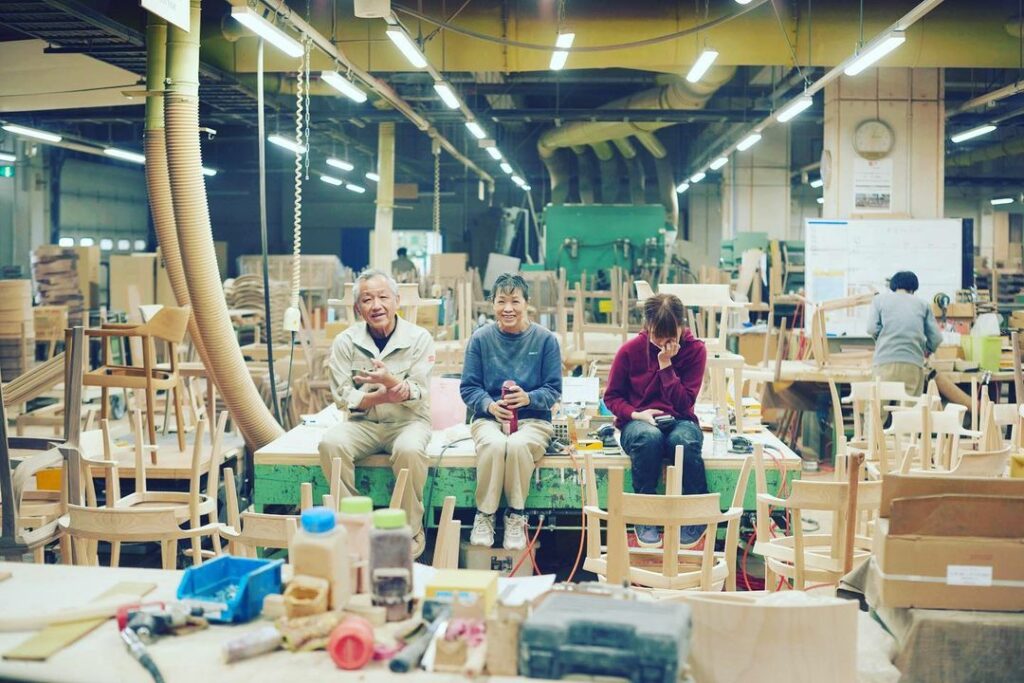
At CondeHouse, we aren’t perfect. We still struggle with overtime, but the difference is that we recognize it as a failure, not a virtue. We are working seriously to fix it. However, in a cutthroat market, “honest” companies that pay for every hour of labor often find themselves at a competitive disadvantage against “black companies” that exploit their workers.
I dream of a world where labor is treated like coffee or chocolate. We have “Fairtrade” to ensure farmers aren’t exploited; why don’t we have a system where consumers reject products made through illegal overtime? Until we stop rewarding the “virtue” of self-sacrifice, the abyss of Karoshi will continue to claim lives.
We believe that a chair should be a place of rest, not a product of exhaustion. Our “Hatsune Miku Art Chair” is crafted with the goal of “Fair Labor”—where the pride of the craftsman is balanced with their well-being. By choosing furniture from a company that actively fights against the culture of overwork, you are supporting a future where “Made in Japan” stands for both world-class quality and human dignity. Why not sit in a chair that was built with passion, but never at the cost of a human life?


Shungo Ijima
Global Connector | Reformed Bureaucrat | Professional Over-Thinker
After years of navigating the rigid hallways of Japan’s Ministry of Finance and surviving an MBA, he made a life-changing realization: spreadsheets are soulless, and wood has much better stories to tell.
Currently an Executive at CondeHouse, he travels the world decoding the “hidden DNA” of Japanese culture—though, in his travels, he’s becoming increasingly more skilled at decoding how to find the cheapest hotels than actual cultural mysteries.
He has a peculiar talent for finding deep philosophical meaning in things most people ignore as meaningless (and to be fair, they are often actually meaningless). He doesn’t just sell furniture; he’s on a mission to explain Japan to the world, one intellectually over-analyzed observation at a time. He writes for the curious, the skeptical, and anyone who suspects that a chair might actually be a manifesto in disguise.
Follow his journey as he bridges the gap between high-finance logic and the chaotic art of living!