
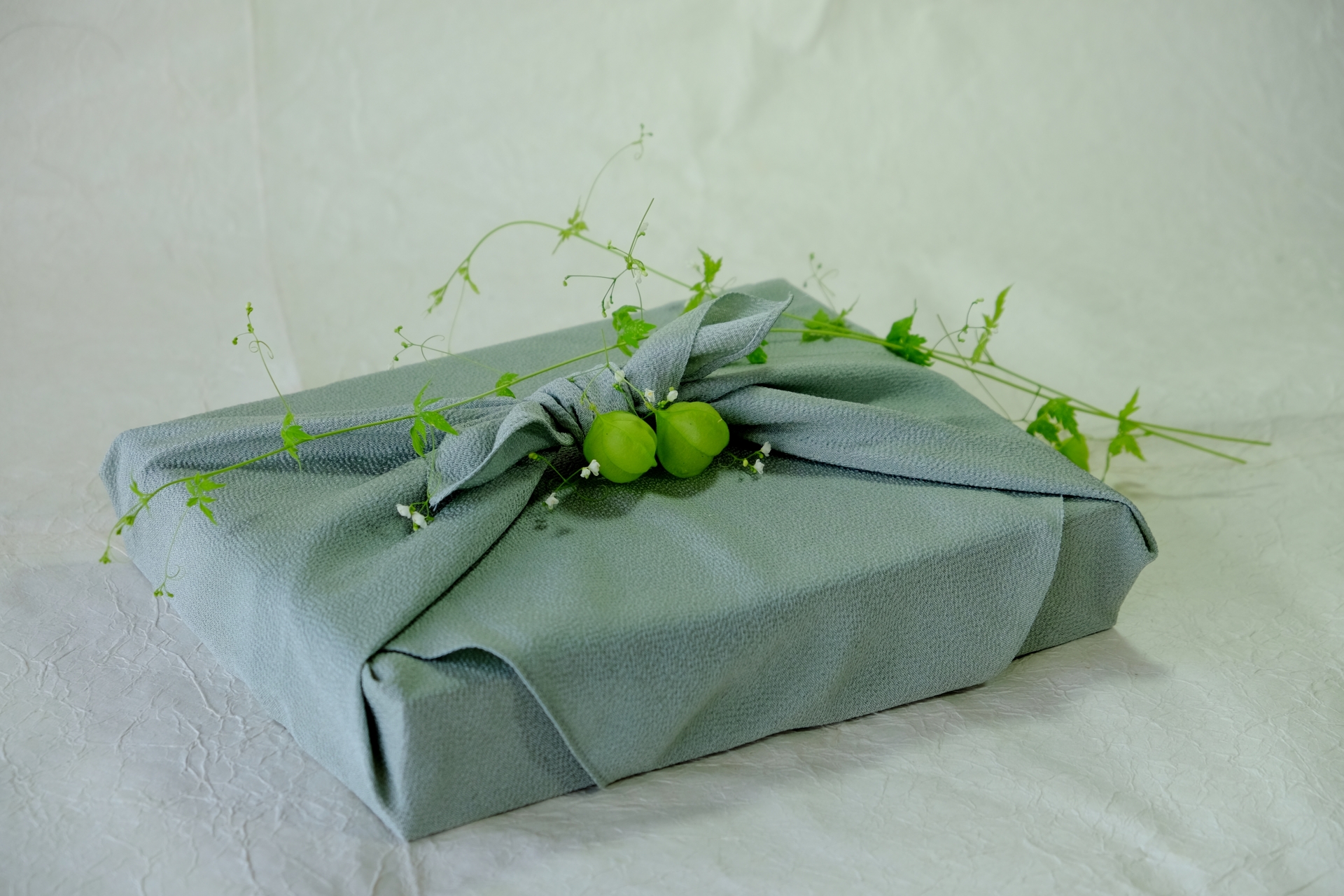
The western shock: Kids tearing off the paper
I grew up watching Western Christmas movies where excited kids burst out of bed and eagerly tear off the wrapping paper of their presents under the tree. The first time I saw this, I was genuinely shocked. In Japan, this is considered incredibly poor manners. I later understood that, in Western culture, this is seen as an open, joyful expression of appreciation.
But not tearing off the wrapping paper or shopping bags is not only a matter of manners in Japan; it also has the realistic advantage that they can be reused. My wife, for example, carefully treasures beautiful wrapping paper and shopping bags, sometimes telling me, “No, you can’t use that one—it must be saved for a special occasion!” The eventual fate, however, is often that when we move house, we find an enormous pile of perfectly preserved paper and bags that end up being used as simple cushioning material.
The anxiety of the recipient: The Japanese rule
In stark contrast, it is sometimes thought to be impolite in Japan to open a gift in front of the giver at all, let alone tear the paper. (Though, to be clear, if you politely ask permission, it’s generally fine.)
Why this radical difference? I haven’t found a definitive academic answer, so I will offer my personal analysis: The Japanese rule is fundamentally driven by a mutual anxiety and consideration for the other person’s feelings.
1.Kindness for the Present Receiver (The Anxiety of Performance): Givers naturally want to see a reaction. But what if the receiver secretly hates the gift? We are social animals; we are not always free to speak our minds. I feel terrible if I force someone into the high-pressure performance of pretending to love a knitted monstrosity or a weird gadget.
Of course, pretending to be delighted is painful for the recipient, too. Imagine receiving a magnet featuring a hula dancer standing atop the word “HAWAII,” handed to you by a friend thoroughly tanned by the tropical sun. How many people are truly mature enough to genuinely smile in that situation?
The rule protects the receiver from the duty to perform instantaneous joy.
2.Kindness for the Present Giver (The Anxiety of Presentation): Sometimes, we joke that Japanese gift packaging is more expensive than the contents. Many people spend immense time and energy selecting the perfect wrapping paper, furoshiki cloth, ribbons, and boxes. The wrapping itself is an extension of the giver’s dedication and thoughtfulness. Therefore, to express the ultimate appreciation, the receiver must not destroy that effort; they must keep the gift intact as a beautifully packaged object. It’s a tribute to the sacrifice made for the perfect presentation.
The packaging paradox: From fancy paper to firm fixings
In Japan, we conceptually treat packaging as an integral part of the content itself, not merely a disposable container.
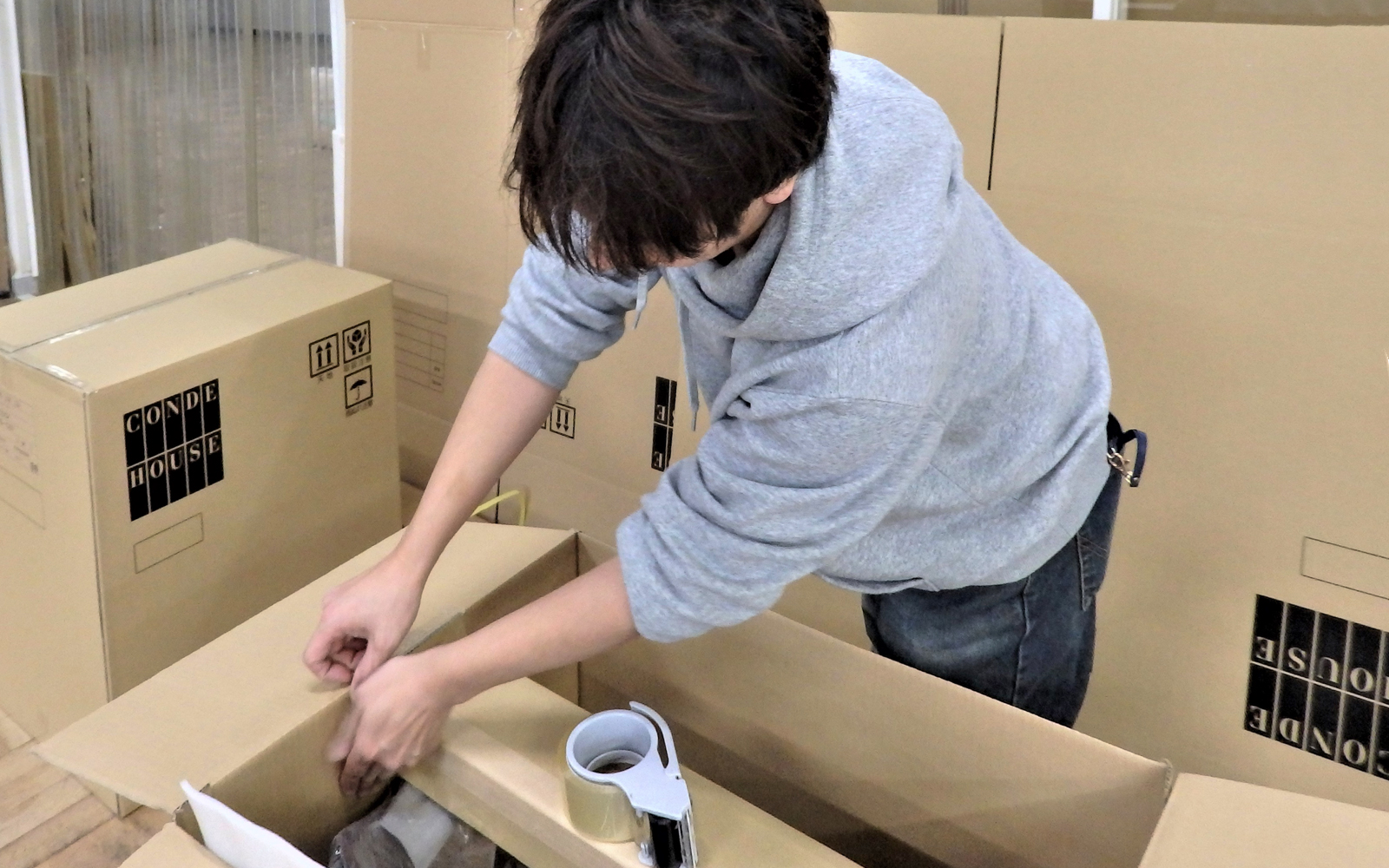
I am reminded of this principle when I see our own product packaging. It is not fancy like gift wrapping, but it is meticulously engineered to serve the same purpose of appreciation through care. Our products are carefully tuned so that the furniture is fixed inside, firmly secured, and protected against the rigors of global transit.
While we don’t use silk ribbons, our rigid, practical packaging ensures that our product reaches you safe and sound, wherever you are in the world. It is the ultimate expression of respect for the time, energy, and value you have invested in our furniture. You can check out the following movie of our packaging process to see this dedication in action.
I confess that I still flinch when I see wrapping paper torn, because in Japan, the packaging is the first layer of our respect for you. We believe that a gift isn’t just an object; it’s the time and anxiety spent ensuring its perfect arrival. Our Hatsune Miku Art Chair embodies this philosophy of ‘complete presentation.’ From its flawless turquoise-green finish to the meticulously engineered crates that protect it across oceans, every detail is a tribute to your investment. It is a ‘packaged’ masterpiece that arrives as a silent expression of our dedication. Now, here is a portal to our most carefully wrapped secret: the image below is your link to the special site. If you prefer the careless, disposable ‘rip-it-open’ culture of the ordinary, do NOT click it. But if you’re ready to receive a legacy that respects you from the first layer to the last, go ahead. Unveil the perfection. —— The Hatsune Miku Art Chair.


Shungo Ijima
Global Connector | Reformed Bureaucrat | Professional Over-Thinker
After years of navigating the rigid hallways of Japan’s Ministry of Finance and surviving an MBA, he made a life-changing realization: spreadsheets are soulless, and wood has much better stories to tell.
Currently an Executive at CondeHouse, he travels the world decoding the “hidden DNA” of Japanese culture—though, in his travels, he’s becoming increasingly more skilled at decoding how to find the cheapest hotels than actual cultural mysteries.
He has a peculiar talent for finding deep philosophical meaning in things most people ignore as meaningless (and to be fair, they are often actually meaningless). He doesn’t just sell furniture; he’s on a mission to explain Japan to the world, one intellectually over-analyzed observation at a time. He writes for the curious, the skeptical, and anyone who suspects that a chair might actually be a manifesto in disguise.
Follow his journey as he bridges the gap between high-finance logic and the chaotic art of living!