
The shifting spirit: From martial art to Olympic sport
The Tokyo 2020 Olympics were an unforgettable event. Japan finished in third place on the medal table, largely thanks to the medal rush in Judo, the country’s national forte. I was particularly reminded of the unique spirit of the martial arts by Shohei Ohno, who won gold in the 73 kg competition.
Ohno never raised his fist or even smiled after winning his matches, a posture meant to show profound respect and consideration for his opponent. Before Judo was selected as an official Olympic event, this controlled display of emotion was the norm. While the Olympic spotlight seems to have changed the situation for many—and now we see wrestlers reveal their emotions—Ohno’s disciplined approach showed us that the martial art spirit, in essence, is anti-sport.
Kendo: The way of life that bans joy
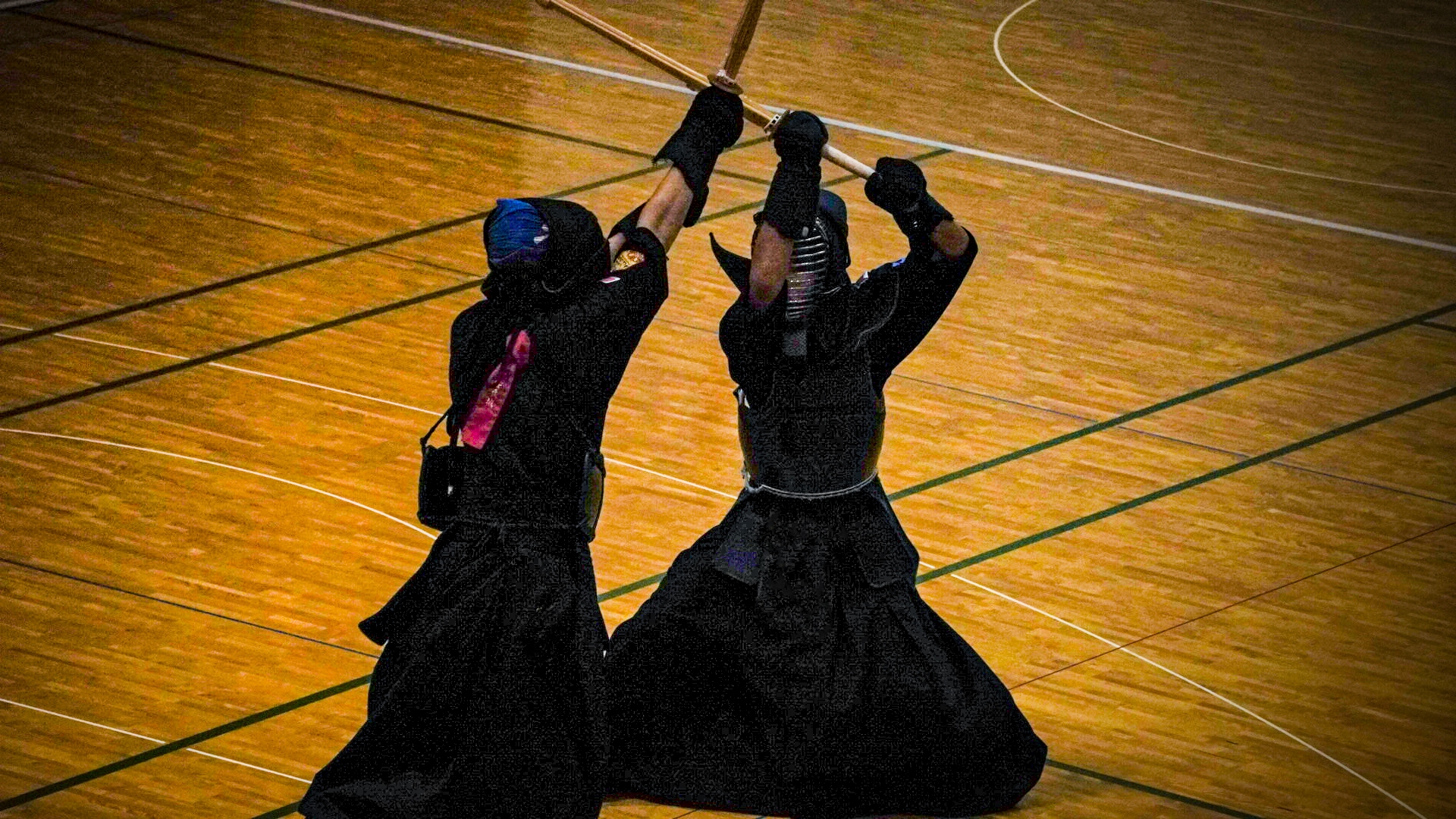
Do you know of another major Japanese traditional martial art? It’s Kendo, where practitioners fight using bamboo swords (shinai). Kendo boasts even more players than Judo in Japan and has grown popular abroad, particularly in Korea, Taiwan, and China. Yet, it steadfastly refuses to become an Olympic sport.
It is widely said that the All Japan Kendo Federation is fundamentally opposed to Olympic inclusion because they believe Kendo is not merely a sport but a “Way of Life” (Do).
The rules that prevent Olympic inclusion stem directly from this philosophy. For example, making any pose to express joy after winning a match, such as raising a cry or a fist, is explicitly prohibited and can lead to the point being judged invalid. It is truly a fascinating idea: a competition that penalizes the natural expression of victory.
The soul of the samurai: Respecting the tools
What makes Kendo even more complex (and unique) is the requirement that players pay deep respect to their tools. The bamboo swords are made of thin bamboo strips bundled by string. If the string loosens during a match, points can be deducted—not just for safety, but because the shinai is regarded and treated as a real Japanese sword, the soul of the samurai.
Similarly, it is strictly prohibited, even during practice, to step across bamboo swords placed on the floor. Now, you begin to see how this is not a sport to be won, but a ritualistic Way of Life to be practiced.
This deep-seated reverence for the instruments of one’s craft is a core pillar of Japanese culture. It has long been thought essential to pay respect to and take meticulous care of one’s tools in order to master something.
The Kendo spirit in the factory: A humble legacy
After reflecting on the philosophical barrier that prevents Kendo from becoming an Olympic sport, where does this grand cultural analysis lead a humble furniture maker like myself?
The very same spirit of respect for tools lies beneath our furniture manufacturing process here in Hokkaido. In our factory, every tool is put back in its place immediately after the day’s work is finished. Moreover, our craftspeople take the initiative to clean, maintain, and repair their tools on their own time.
I believe this is not just a matter of efficiency; it is an extension of the Kendo spirit—the understanding that mastery requires a humble partnership with the tools that enable our creation. It is the recognition that the tools, like the shinai or the crafting plane, hold a piece of the craftsman’s soul. (I suppose that means we are all still samurai at heart, just armed with saws instead of swords.)
I confess that I lack the stoic discipline of a Kendo master; if I could sell a chair to everyone reading this, I would almost certainly raise my fist in a very un-samurai-like display of joy. But while my personal self-control is a work in progress, my respect for the ‘Way’ of the craft is absolute. We treat our woodworking tools with the same reverence a swordsman has for his shinai, ensuring that every piece of furniture we produce is born from a ritual of respect. Our Hatsune Miku Art Chair is the ultimate expression of this ‘anti-sport’ philosophy: it wasn’t made for a quick trophy, but to be a lifelong companion for your own personal ‘Way.’ It is a seat crafted with the soul of a samurai and the precision of a master, designed for those who appreciate the quiet victory of true quality. —— The Hatsune Miku Art Chair.


Shungo Ijima
Global Connector | Reformed Bureaucrat | Professional Over-Thinker
After years of navigating the rigid hallways of Japan’s Ministry of Finance and surviving an MBA, he made a life-changing realization: spreadsheets are soulless, and wood has much better stories to tell.
Currently an Executive at CondeHouse, he travels the world decoding the “hidden DNA” of Japanese culture—though, in his travels, he’s becoming increasingly more skilled at decoding how to find the cheapest hotels than actual cultural mysteries.
He has a peculiar talent for finding deep philosophical meaning in things most people ignore as meaningless (and to be fair, they are often actually meaningless). He doesn’t just sell furniture; he’s on a mission to explain Japan to the world, one intellectually over-analyzed observation at a time. He writes for the curious, the skeptical, and anyone who suspects that a chair might actually be a manifesto in disguise.
Follow his journey as he bridges the gap between high-finance logic and the chaotic art of living!