
japan– tag –
-
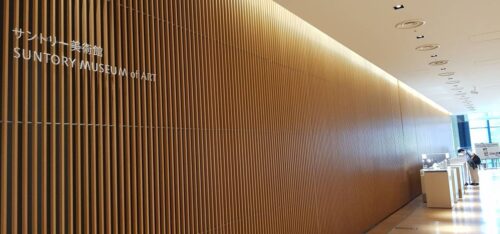
Suntory Museum of Art – Your Urban Oasis in Neon TokyoSuntory
【】 When you hear Suntory, you probably think whisky on the rocks, highball cans from the konbini, or maybe that jingle that somehow gets stuck in your head for days. But plot twist: Suntory also runs a museum. Yep, a museum, and not ju... -
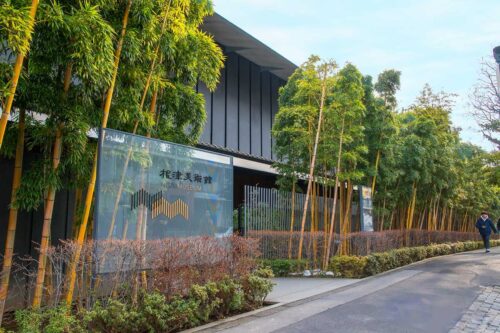
Escaping the Noise: A Day at Nezu Museum
【】 Step out of Omotesando Station and you’re ready for fashion runways and overpriced lattes. But walk for ten minutes, and—plot twist—you’re suddenly in a Zen bubble. Welcome to the Nezu Museum, where Tokyo’s chaos politely takes a se... -
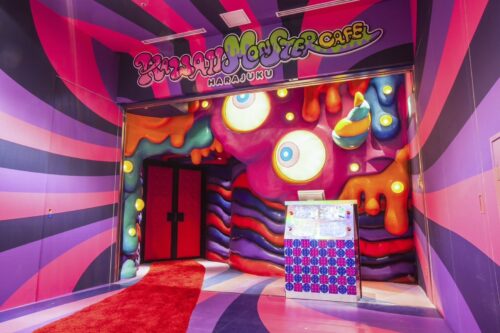
Welcome to KAWAII MONSTER LAND — Where Harajuku Goes Full Monster Mode
Harajuku’s legendary Kawaii Monster Café (2015–2021) is clawing its way back from the neon grave, only this time it evolved into KAWAII MONSTER LAND (KML)—a full-on technicolor amusement park opening Winter 2025. Picture this: a candy-sh... -
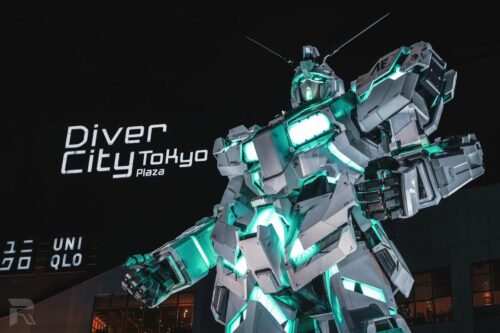
Hebocon, Virtual Idols, and the Aesthetics of the “Useless”: Why Efficiency is Overrated
In a world obsessed with precision, Hebocon is a profound rejection of efficiency. It is a "Sumo of Sorrows" where paper-faced robots self-destruct in a tragic microcosm of the human condition. Why do we love the "heboi" and the non-functional? From Doraemon to the Hatsune Miku Art Chair, we delve into the Japanese art of finding a soul in the beautifully unnecessary. -
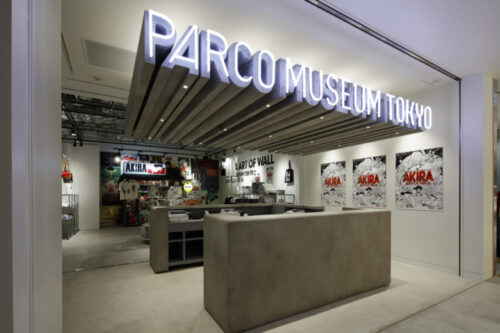
Welcome to Shibuya’s Smallest Big Art Museum
Let’s say you’re exploring Shibuya—you’ve shopped the sneaker drops, survived the Scramble Crossing, maybe even had a nostalgic crepe. And now, you think: "A little art would be nice." So you Google "museum" and end up at PARCO MUSEUM TO... -
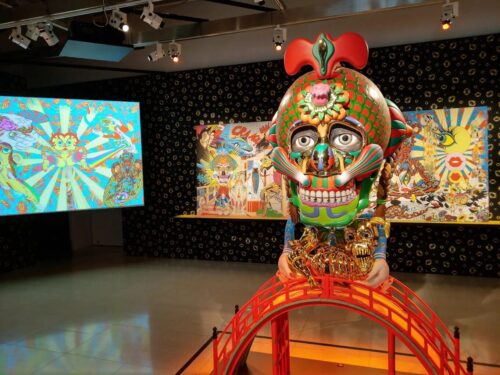
The Secret Tokyo Gallery That Makes You Rethink Everything You Know About Posters
Welcome to GGG: Where Graphic Design Gets the Red Carpet Treatment Picture this: you're wandering through Ginza, Tokyo’s most glamorous jungle of high fashion and fancy watch displays, when you stumble upon a tiny building nestled betwee... -
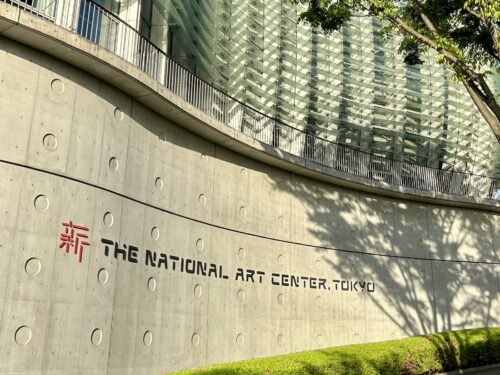
Inside Tokyo’s Most Surprising Design Destination: Cream Sodas and Iconic Chair
Tokyo is a city where every hidden elevator ride or tucked-away tower holds a surprise—be it a moody skyline lounge, an immersive art space, or a furniture showroom that doubles as a design playground. If you're in the mood for an unforg... -
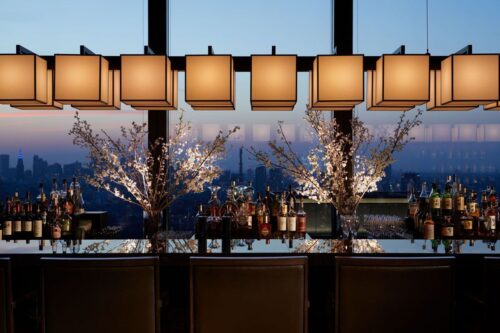
Tokyo Hotspots: Where Mood, Views, and Design Collide
Tokyo is a city where every hidden elevator ride or tucked-away tower holds a surprise—be it a moody skyline lounge, an immersive art space, or a furniture showroom that doubles as a design playground. If you're in the mood for an unforg... -
Tokyo Hotspots: Where Coffee, Culture, and Design Collide
Tokyo is a city where every hidden alley holds a surprise—be it a mind-blowing café, a jaw-dropping art space, or a furniture showroom that feels more like a design playground. If you're in the mood for an unforgettable experience (or ju... -
Tokyo Hotspots: Where Design Meets Culture
Planning a visit to Tokyo? Buckle up, because this city isn’t just about neon lights and sushi. It’s a place where design, culture, and a little bit of weirdness collide. If you’re looking to impress your artsy friends, find inspiration ...