
japanese culture– tag –
-
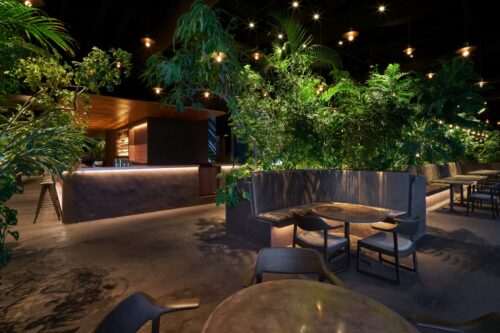
Featured Project: Tokyo Stories – Our Designs in Action
【】 Welcome to the 21st century of food, where eating isn’t just about filling your stomach—it’s about saving the planet, questioning the meaning of life, and, most importantly, getting that perfect Instagram shot. Let’s be real: the wo... -
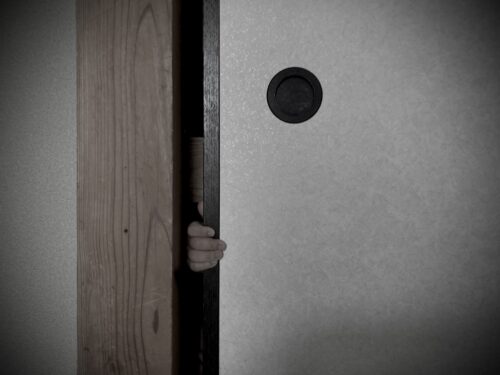
The Unseen Dread: Why J-Horror Terrifies Us by Elevating the Everyday Unknown
Why do we seek fictional fear? Because that emotion overwhelms the rational knowledge of whether the threat is real (unlike sadness, which is easily dismissed). This explains the difference between Hollywood and J-Horror. Hollywood gives us physical terror—monsters that bite and claw. J-Horror, exemplified by The Ring, gives us psychological anxiety—the silent evil that crawls out of a video cassette, breaching the reality of our everyday life. This unique Japanese trait—finding a small dose of the extraordinary in the ordinary (like going to a public bath)—is what makes the horror so pervasive. Our furniture aims for a similar, though less scary, effect: making your everyday activities a little more special. -
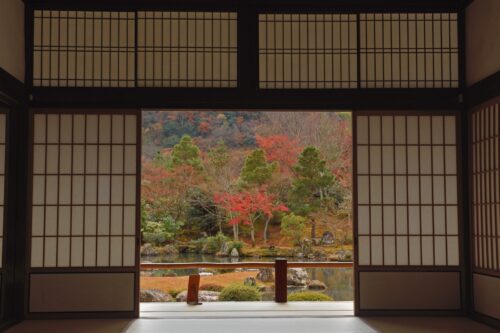
The Illusion of Authenticity: Why Shogun Feels Real to Japanese Viewers (and Why We Love the Dark)
Why does Shōgun feel so "authentic" to us Japanese viewers, even though we've never seen a real samurai? I suspect our common image is a sophisticated fiction created by the entertainment industry. While the language barrier of the 17th century was real (we'd need translators!), the architectural detail is authentic, thanks partly to a Belgian historian advisor. This realism captured the era’s aesthetic: the appreciation of shadow and dimness. The implicit message is that true Japanese beauty is revealed only in the dark. Try it: find the perfect shadow for your furniture and discover the hidden elegance of the samurai era. -

Why Hokkaido’s Winter Wonderland Should Be Your Next Trip
Why do people in one of the coldest places on Earth eat the most ice cream in winter? Explore the fascinating world of Hokkaido's sub-zero life, where airtight architecture and T-shirt-warm indoors turn a harsh winter into a cozy sanctuary. -
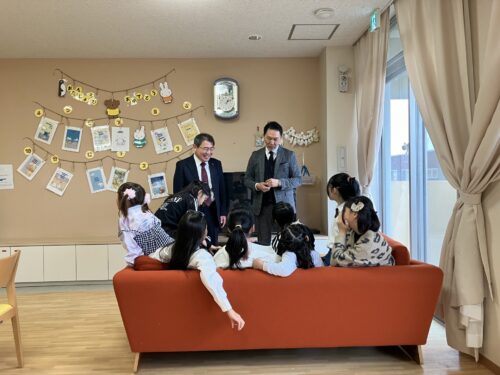
The Red Pill of Charity: Why We Should Embrace Self-Satisfied Giving (The Joy of Unconscious Kindness)
Japan ranked second worst in the World Giving Index. We avoid debate, preferring to read between the lines. We argue that charity is fundamentally for self-satisfaction—and that’s fine! Let’s take the red pill, get out of capitalism, and do something irrationally kind. It’s the purest form of non-monetary profit. -

The 3000Hz Paradox: Why We Hate Our Own Voice (But Love Hatsune Miku Synthetic Sound)
The Universal Horror: The top co-occurrence word for "own voice" in a Japanese search is "ugly." We explore the Vocaloid Paradox: why Japan embraced Miku Hatsune’s synthetic voice, actively demanding a sound that is obviously artificial. This aesthetic of artificiality shows that human psychology is far more complex than the simple science of the 3000 Hz frequency. We have a plan to collaborate with her. -
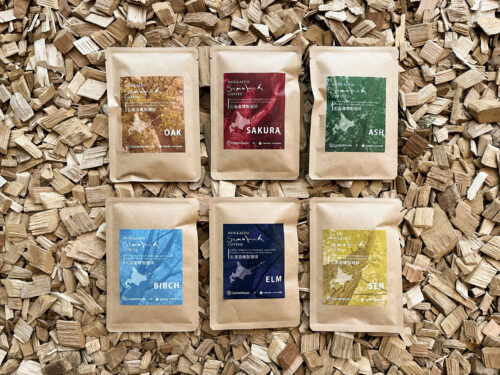
Curiosity Killed the Cat (and Made Us Eat Blowfish): Introducing Hokkaido Smoked Coffee
Why did our ancestors risk death to eat blowfish? I argue that the answer is not taste, but our insatiable human curiosity. I demonstrate this uncontrollable urge by sharing a behavioral science experiment where students voluntarily chose to receive an electric shock—repeatedly—just to satisfy their curiosity. This inherent human nature leads to our new product: Hokkaido Smoked Coffee, where beans are smoked using the wood chips from our furniture. Don't pretend you aren't curious; you can't help yourself. Risk a small shock of flavor! -

The Disease of Youth: Why the Japanese Uniform Is a Symbol of Rebellion and Belonging
You love the aesthetic of the Japanese seifuku from Sailor Moon. But what is the reality? Youth is a disease from which, I hope, I have recovered. We explore the Uniform Paradox: Japanese teenagers rebel against school rules but never the uniform itself—a profound ambivalence that defines our culture. -

The 100-Year Bet: Why We Plant Oak Trees in Hokkaido (and the Martin Luther Paradox)
Why does planting a tree feel so profoundly positive? You cannot plant a tree without a radical, almost arrogant degree of hope for a future you will not see. For us, this means taking a 100-Year Bet: planting oak trees today that the children who join us will likely never see turned into furniture. This is the profound irony of investing in a raw material only for an entirely unseen future generation. -
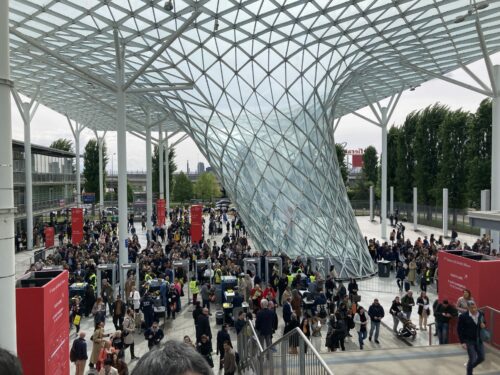
The Queueing Paradox: Why Milano Salone Thrives by Excluding the Masses (The Disney Dreamland Test)
We may queue neatly, but we are internally seething. We analyze the privatization of pleasure using the TDL model (abolishing the free Fast Pass). The secret to Milano Salone's success is simple: its location offers irresistible, non-business entertainment. Entertainment is not supplementary to the trade show; it is the precondition for its success.