
The geometry of belonging
“Where are you from?”
In my work in international sales, I have traded this question with hundreds of people across the globe. I’ve met nomads who haven’t seen their birthplace in decades. Some plan to return the moment they retire; others have decided to be buried in the soil of a foreign land. Every time I ask, the definition of “home” shifts. Is it where you drew your first breath? Where you spent the most years? Or simply where your parents’ house stands?
The Pico Iyer definition
I recently found a beautiful answer in a TED talk by the travel writer Pico Iyer. He argues that “home” isn’t a place where you just happen to be born. Instead, it’s the place where you become yourself. To me, Pico’s “place where you become yourself” refers to a landscape or a community of people where you feel a profound sense of connection—a place to which you truly belong. It is a humble realization that you are merely a small part of something much larger than yourself. This is why I find it so exhausting when I hear young people arrogantly claim, “My home is the Earth.” While I have enough tolerance to dismiss such talk as a youthful indiscretion, I can’t help but feel they are missing the grounded humility that defines a true home.
The landscape of the last moment
Unlike Pico Iyer, my roots were simple. I was born and raised in a single place: Hokkaido, the northernmost wilderness of Japan. But after university, I spent 15 years moving across the mainland.
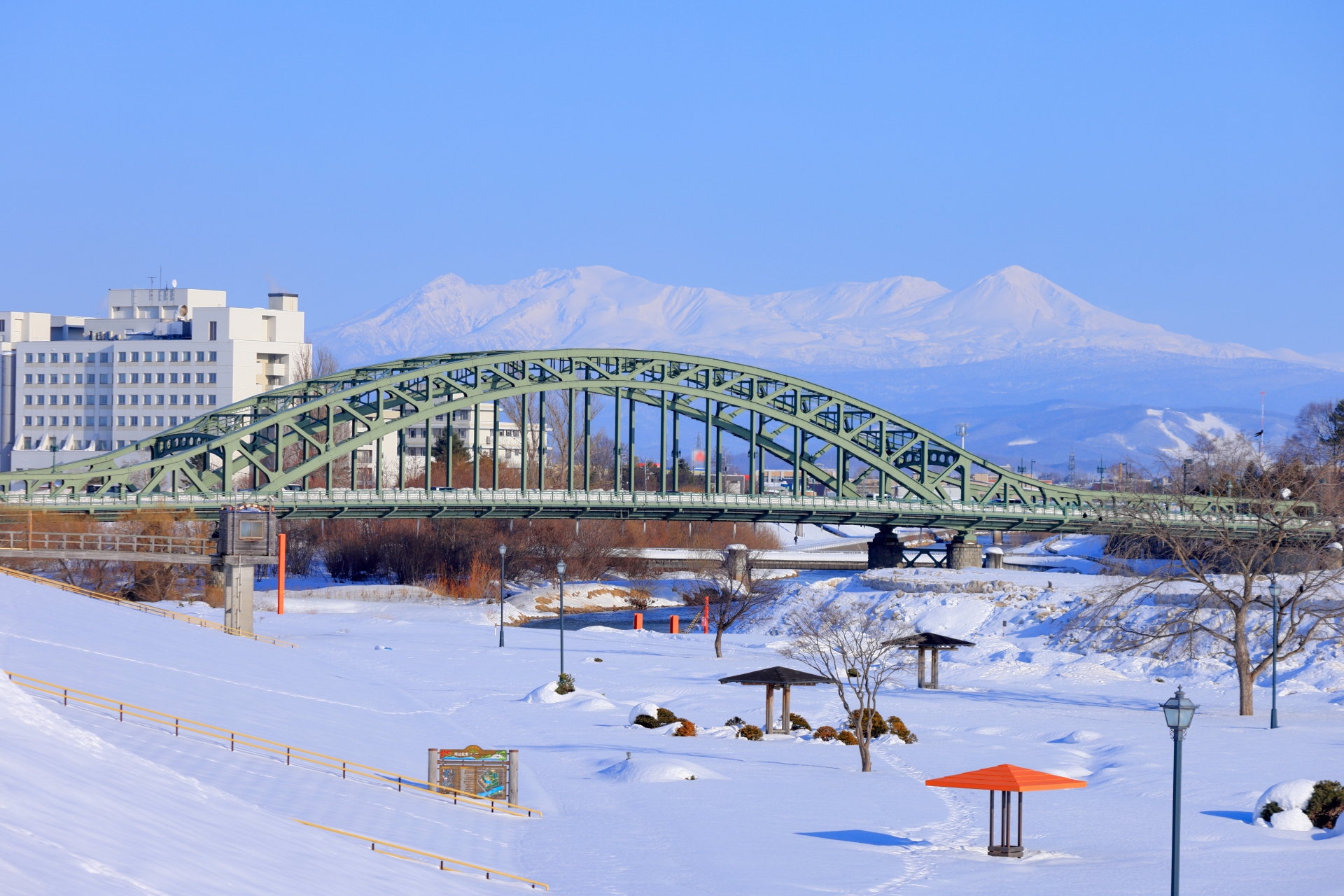
During those years away, a recurring dream haunted me. I would see a vast, silent, frozen landscape—a world of white and crystal. It was a scene so beautiful and serene that I decided it was the last thing I wanted to see before I died. At that distance, Hokkaido was my spiritual lighthouse. It was the place my soul went back to every night when I closed my eyes.
The harsh reality of the shovel
This article would be beautiful and poetic if it ended there. But reality, as they say, is a cold mistress.
Now that I have finally returned to my “soul’s destination,” the “serene white landscape” of my dreams has been replaced by the back-breaking reality of the morning snow shovel and a coldness so “crazy” it freezes your breath.
The reality hit me hardest during a recent business trip to Tokyo. I left the mild, paved streets of the capital and landed back at Asahikawa Airport, only to find my car completely buried under a mountain of snow in the parking lot. Because I was still dressed for Tokyo, I was wearing thin sneakers. Within seconds, I lost all sensation in my toes as I frantically tried to dig my car out. In that moment, I wanted to find my past self—the one who harbored sweet, romantic illusions about returning to this frozen world—and give him a good, hard slap.
Perhaps the truest definition of a home is a place you long for when you’re away, but complain about when you’re there. It seems the grass—or the snow—is always greener on the other side. But Hokkaido remains a masterpiece, and I look forward to welcoming you here. Just remember: bring boots, not sneakers.
I confess that I have a love-hate relationship with my ‘soul’s destination’—because while the white landscape of Hokkaido is my spiritual lighthouse, the reality of digging out a car in sneakers is a slap to my romantic illusions. At CondeHouse, we build furniture for those who know the difference between a dream and a reality. Our Hatsune Miku Art Chair is our way of anchoring a digital dream into the solid, tactile world of craft. We didn’t just capture her image; we captured her ‘home’ in the premium timber of the north. It is a masterpiece that brings that serene, beautiful landscape into your living room—minus the back-breaking snow shovel. Now, here is a portal to a place where you truly belong: the image below is your link to the special site. If you prefer the fleeting, ungrounded illusions of the ‘global nomad,’ do NOT click it. But if you’re ready to settle into a piece of art that feels like home, go ahead. Welcome back. —— The Hatsune Miku Art Chair.


Shungo Ijima
Global Connector | Reformed Bureaucrat | Professional Over-Thinker
After years of navigating the rigid hallways of Japan’s Ministry of Finance and surviving an MBA, he made a life-changing realization: spreadsheets are soulless, and wood has much better stories to tell.
Currently an Executive at CondeHouse, he travels the world decoding the “hidden DNA” of Japanese culture—though, in his travels, he’s becoming increasingly more skilled at decoding how to find the cheapest hotels than actual cultural mysteries.
He has a peculiar talent for finding deep philosophical meaning in things most people ignore as meaningless (and to be fair, they are often actually meaningless). He doesn’t just sell furniture; he’s on a mission to explain Japan to the world, one intellectually over-analyzed observation at a time. He writes for the curious, the skeptical, and anyone who suspects that a chair might actually be a manifesto in disguise.
Follow his journey as he bridges the gap between high-finance logic and the chaotic art of living!
Comments
List of comments (3)
[…] Previous Post Where Is Your Home? […]
[…] joined by high school teams going through the elimination tournaments held in 47 prefectures. Hokkaido, the northernmost island of Japan, is covered with snow for almost half a year, and so, our […]
[…] easily in your daily lives. Now, let me bring this article to a close with the same sentence as the last article. Hokkaido is a good place to visit. I’m looking forward to your visit after the COVID […]