
The “not-so-unique” desire
Do you know the world’s top three giants of sports footwear? Most people would say Nike, Adidas, and… New Balance? Wrong. It’s actually Puma.
I had assumed New Balance’s popularity would be skyrocketing lately, thanks to Shohei Ohtani’s massive ad campaigns. However, when an Australian friend saw me wearing a pair, they seemed surprised, asking, “Oh, is New Balance popular in Japan?” It seems it might take a little more time for the ‘Ohtani Effect’ to reach every corner of the globe.
I’m a sneakerhead myself. I buy at least one pair every season—usually while my wife asks me, “Exactly how many feet do you have?” I’m always tempted to ask her how many arms she has for all her handbags, but I know that would only ignite a mud-slinging match I’m destined to lose. I simply mutter, “Silence is golden,” and offer a strained smile. This, my friends, is the secret to a happy marriage.
Still, I have to admit I’m still a slave to that subconscious urge to have something different from everyone else. This urge is exploding in Generation Z. And their weapon of choice? “Dad Sneakers.”
The revenge of the “ugly” shoe
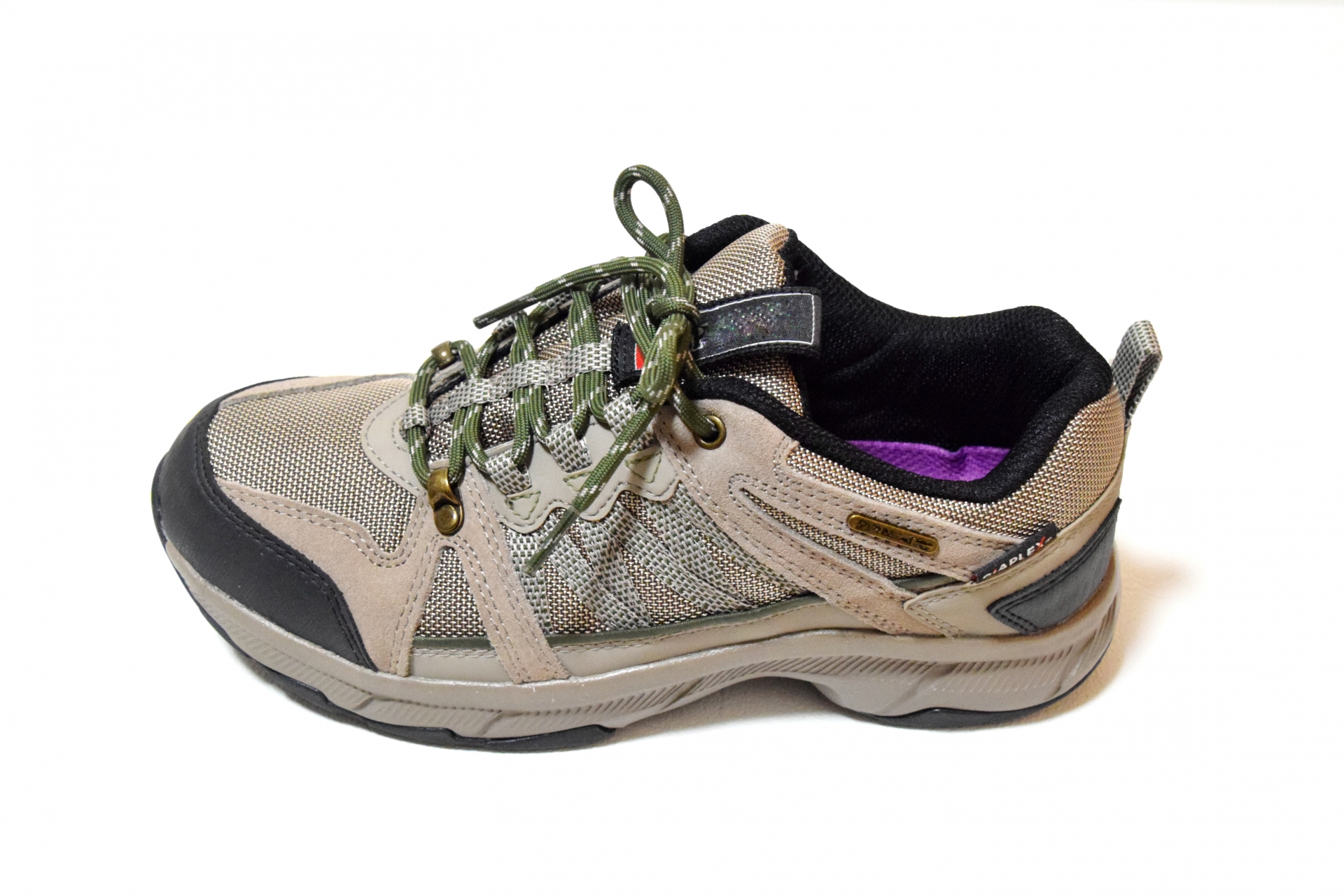
If you aren’t familiar with “Dad Sneakers,” just imagine the clunky, overly padded, slightly orthopedic-looking walking shoes that a middle-aged man might wear to a suburban barbecue.
Let me be blunt: from my perspective, they are ugly. So why is the youth of today obsessed with them?
It might be a form of rebellion—a middle finger to traditional “good design.” Or, perhaps they are prioritizing pure function (comfort) above all else. But if it were just about comfort, they could easily choose a “high-tech” sneaker like the Reebok InstaPump Fury. The fact that they don’t suggests something else is going on. By embracing the “ugly,” Gen Z is flipping the script. They are saying that “cool” is no longer about looking perfect; it’s about being authentic, even if that authenticity is a bit clunky.
The death of differentiation
We can’t just dismiss this as a youthful whim. Millennials, too, are shifting their priorities toward sustainability and ethics over mere aesthetics.
The reality is that we live in an era of total commoditization. In most markets, the difference in price, quality, and even “design” has become almost invisible. When every product in the world looks “pretty good,” “pretty” is no longer enough. This is a terrifying thought for a company like CondeHouse, which has spent decades obsessing over “good design.”
Design beyond appearance
This shift has made me stop and think: What is “good design” in 2026?
If we only focus on making furniture that “looks good,” we are losing the battle. The Dad Sneaker trend teaches us that people are looking for a story, a mission, or a rebellious soul behind the object.
Our mission is “Crafting Furniture from the Forest.” This isn’t just about a beautiful silhouette; it’s about sustainability, eco-friendliness, and a deep respect for nature. Perhaps true “good design” isn’t what pleases the eye, but what resonates with the heart—even if it’s a little clunky, honest, and “real,” just like a pair of Dad Sneakers.
True style isn’t about following a trend; it’s about finding something that speaks to your values. Why settle for furniture that is just “pretty” when you can own a piece that carries the soul of the forest? (We promise, our chairs are much more elegant than Dad Sneakers—but they’re just as comfortable, and your spouse won’t even ask how many ‘seats’ you have!)


Shungo Ijima
Global Connector | Reformed Bureaucrat | Professional Over-Thinker
After years of navigating the rigid hallways of Japan’s Ministry of Finance and surviving an MBA, he made a life-changing realization: spreadsheets are soulless, and wood has much better stories to tell.
Currently an Executive at CondeHouse, he travels the world decoding the “hidden DNA” of Japanese culture—though, in his travels, he’s becoming increasingly more skilled at decoding how to find the cheapest hotels than actual cultural mysteries.
He has a peculiar talent for finding deep philosophical meaning in things most people ignore as meaningless (and to be fair, they are often actually meaningless). He doesn’t just sell furniture; he’s on a mission to explain Japan to the world, one intellectually over-analyzed observation at a time. He writes for the curious, the skeptical, and anyone who suspects that a chair might actually be a manifesto in disguise.
Follow his journey as he bridges the gap between high-finance logic and the chaotic art of living!