
The 11-year sushi debate
In Japan, it was long believed that it took 11 years to become a master sushi chef. Young apprentices spent years doing nothing but cleaning the floor and washing rice. Today, many “modern thinkers” call this a waste of time. They argue that with high-quality ingredients and a precise, quantified recipe, even a high school student could reach a professional level in a fraction of the time.
Logically, they might be right. But as someone who values the “spirit” of craftsmanship, I can’t help but hope for a world where extraordinary effort still carries weight. This brings me to the story of a man who climbed from the bottom of poverty to the top of the culinary world through sheer, stubborn hard work: Kiyomi Mikuni.
From dishwasher to diplomat
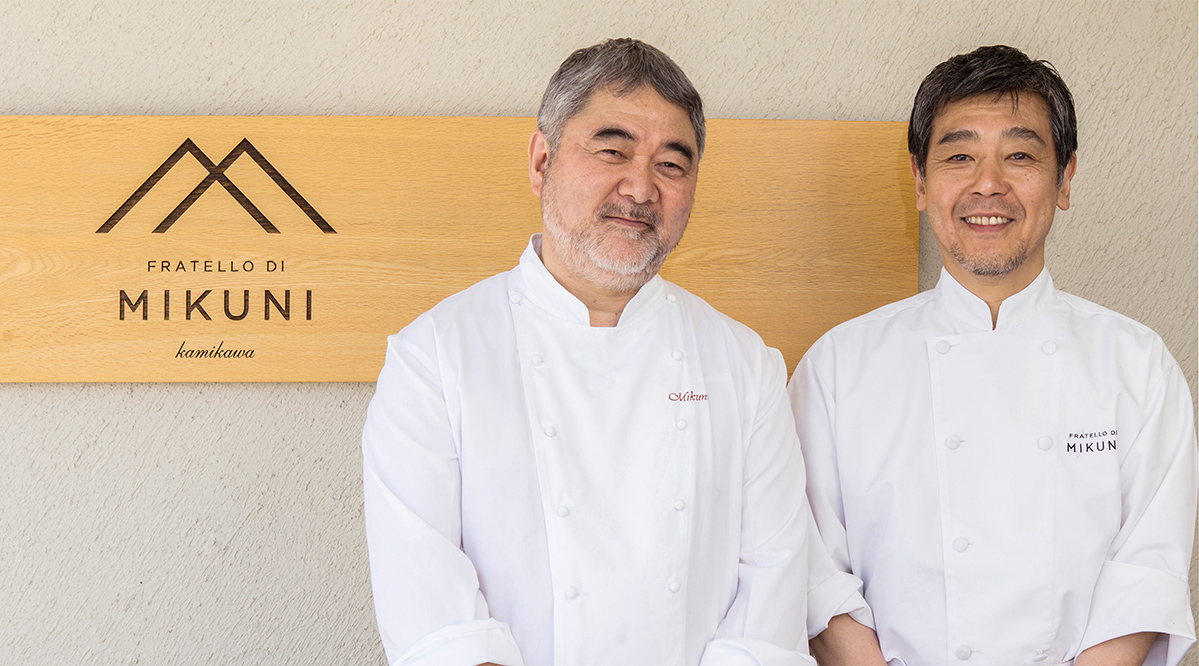
Kiyomi Mikuni, perhaps Japan’s most famous French chef, was born in Hokkaido into extreme poverty. His journey didn’t start with a silver spoon, but with a pile of dirty dishes.
After junior high, while working for a rice dealer just to get free meals, he talked his way into a job at the Sapporo Grand Hotel. He told the head chef, “I’ll do anything!” and he meant it. Every night, after his shift ended, he stayed behind to wash every single dish in the hotel—a task far outside his job description. His dedication was so undeniable that he was promoted to sous-chef at the unprecedented age of 18.
But the real “Zen” of Mikuni’s story happened at the Imperial Hotel in Tokyo. He decided to polish every single copper pot in all 18 of the hotel’s restaurants. By the end of his second year, those pots gleamed so brightly that the master chef recommended the 20-year-old Mikuni for the post of chef at the Japanese Embassy in Geneva. He didn’t win his position with a recipe; he won it with a scouring pad.
The flavor of a life well-lived
Nowadays, I often watch Chef Mikuni on YouTube. I’m not much of a cook myself, but I’m captivated by his personality—a rare blend of casual warmth and the refined elegance that only comes from a life of intense struggle.
In Hokkaido, you can experience his philosophy at restaurants like Fratello di Mikuni. Logic tells us that a tomato is just a tomato, regardless of who sliced it. But when you know the chef’s story—the thousands of pots he polished, the nights he spent washing dishes until his hands were raw—the food somehow tastes deeper.
At CondeHouse, we were honored to provide the dining chairs for Fratello di Mikuni. We like to think that our craftsmanship, born from our own long years of tradition in Hokkaido, adds a layer of grace to his dishes. After all, both a great meal and a great chair are built on the same “illogical” foundation: an obsession with perfection that goes far beyond what is merely necessary.
Chef Mikuni’s greatness was born from years of polishing copper pots until they shone like mirrors. Our “Hatsune Miku Art Chair” is born from a similar obsession. Every curve of the wood is sanded and polished by hand, over and over, until it achieves a finish that no machine can replicate. It’s a “hard work” approach in an era of mass production. Why not dine in a chair that shares the same soul as the world’s finest cuisine? It’s a seat for those who know that true quality can’t be rushed—it must be earned.


Shungo Ijima
Global Connector | Reformed Bureaucrat | Professional Over-Thinker
After years of navigating the rigid hallways of Japan’s Ministry of Finance and surviving an MBA, he made a life-changing realization: spreadsheets are soulless, and wood has much better stories to tell.
Currently an Executive at CondeHouse, he travels the world decoding the “hidden DNA” of Japanese culture—though, in his travels, he’s becoming increasingly more skilled at decoding how to find the cheapest hotels than actual cultural mysteries.
He has a peculiar talent for finding deep philosophical meaning in things most people ignore as meaningless (and to be fair, they are often actually meaningless). He doesn’t just sell furniture; he’s on a mission to explain Japan to the world, one intellectually over-analyzed observation at a time. He writes for the curious, the skeptical, and anyone who suspects that a chair might actually be a manifesto in disguise.
Follow his journey as he bridges the gap between high-finance logic and the chaotic art of living!
Photo Credit: https://fratello-di-mikuni.com/english/chef