
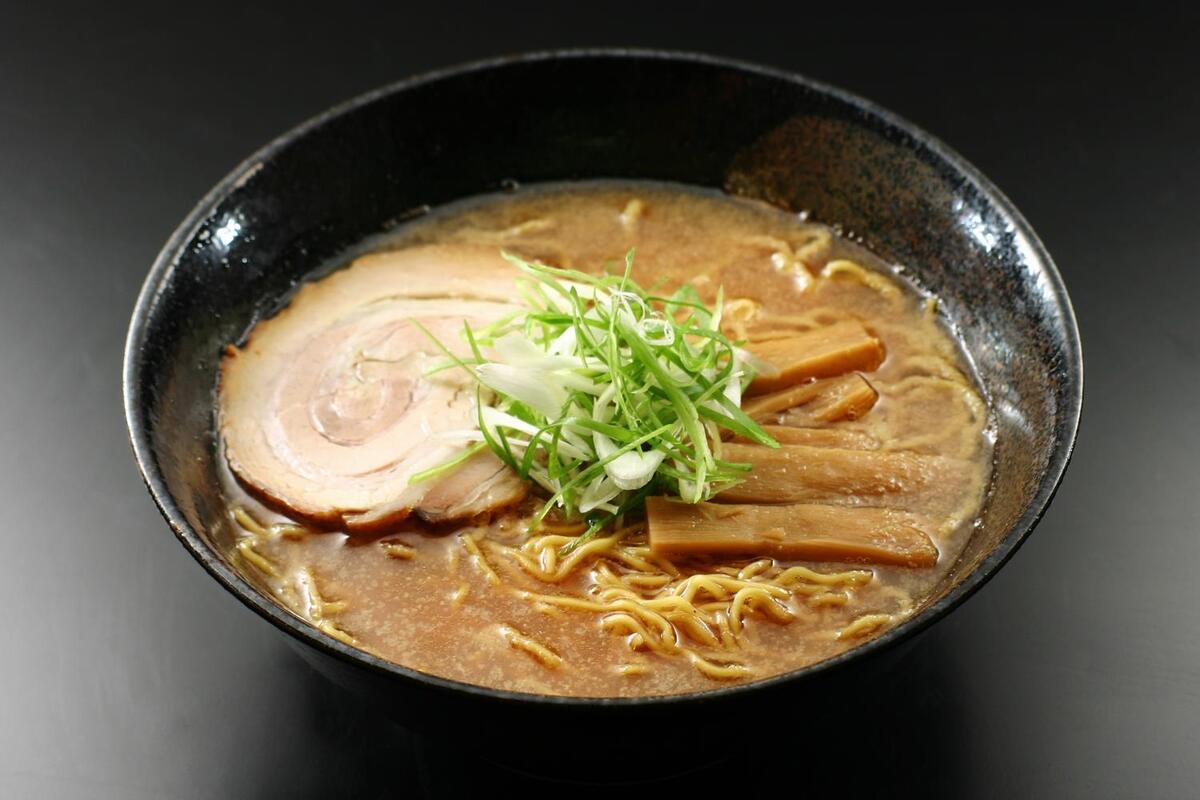
A fast food with a Manhattan makeover
If you ask anyone to name the most iconic Japanese noodle dish, the answer is unanimous: Ramen. Today, Ramen has conquered the globe, with restaurants popping up from London to Manhattan.
One of the heavyweights in this global expansion is Ramen Santouka, which originated right here in our hometown of Asahikawa. I once saw a news clip of New Yorkers enjoying Santouka ramen over cocktails and long conversations, treating it like an elegant Italian pasta dinner. To a Japanese person, this is a bizarre sight.
In its homeland, Ramen is the ultimate fast food. It’s a high-speed ritual. Some studies suggest the average time to finish a bowl is just 14 minutes. We don’t “dine” on ramen; we attack it. It’s a flurry of steam, slurping, and concentration.
In fact, decades ago, the original Santouka shop in Asahikawa felt less like a restaurant and more like a training ground for monks. There were strict rules posted on the walls: “No talking during the meal” and “Tie your hair back before eating.” It was a place of absolute focus. Eventually, it seems many “disciples” grew tired of such rigid dogmas, and today those rules are gone—so you can breathe a sigh of relief.
However, even without the signs, the unwritten expectations remain. To truly earn your bowl (especially in Hokkaido), you must endure the freezing blizzard in line outside, and then, once inside, decide on your toppings at lightning speed under the silent pressure of the people waiting behind you. Personally, I’ve stepped out of this intense spiral of battle; despite living in a Ramen Kingdom, I rarely visit the shops anymore.
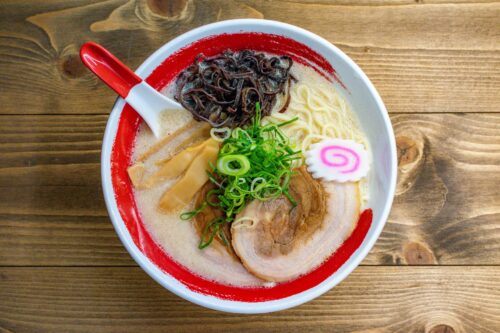
The map of ramen rivalries
Ramen is more than just lunch; it is an expression of local pride. It is the food of the people—affordable, unpretentious, and fiercely debated.
Hokkaido is a legendary titan in this world. We boast three distinct Ramen capitals:
- Sapporo: Famous for rich, heart-warming Miso ramen.
- Hakodate: Known for its clear, sophisticated Salt ramen.
- Asahikawa: Our home, the mecca of Shoyu (soy sauce) ramen with a layer of lard on top to keep the soup piping hot in our sub-zero winters.
Asahikawa was recently ranked 5th in Japan for the density of ramen shops, with roughly 153 shops for every 10,000 people. We even have a “Ramen Village,” a mall dedicated to eight of our most popular shops. In Asahikawa, you are never more than a few minutes away from a bowl of “salvation”—or a “battlefield,” depending on how you look at it.
Concentration, speed, and “power lunch”
Until 2019 (until before the COVID), our headquarters welcomed international guests—furniture dealers, architects, and designers—at least once a month. After the factory tours and negotiations, we moved to the most critical part: the meal.
However, authentic Ramen is a terrible choice for a business meeting. You can’t negotiate a contract while slurping noodles at maximum velocity to prevent them from getting soggy. It requires 100% of your focus.
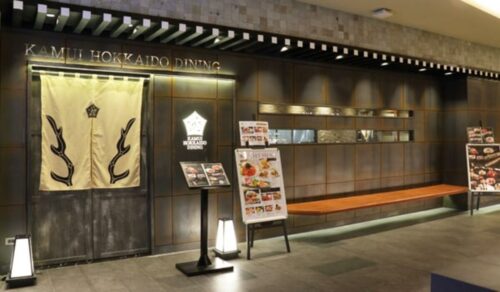
For those who want the soul of Hokkaido ramen but with the atmosphere of a “Power Lunch,” I have a recommendation. Kamui Hokkaido Dining in Bangkok is operated by a top Asahikawa ramen company. It’s a rare place where you can enjoy Hokkaido’s culinary specialties in a setting that encourages conversation, surrounded by the comfort of CondeHouse furniture. It is the perfect compromise: the flavor of an Asahikawa master with the elegance of high-end design.
I confess that I’m fascinated by the ’14-minute battle’ of ramen—because while the world sees it as an elegant dinner, we in Hokkaido know it is a high-speed ritual of absolute focus. At CondeHouse, we’ve taken that same intense northern energy and transformed it into a space where you can actually breathe. We bridge the gap between the ‘battlefield’ of the shop and the ‘power lunch’ of the salon. Our Hatsune Miku Art Chair is the ultimate expression of this balance. It captures the vibrant, steaming heat of Hokkaido’s soul, yet offers the quiet, high-end comfort that encourages long conversations and deep reflection. It is as bold as a bowl of Asahikawa Shoyu and as refined as our finest timber. Now, here is a portal to a world-class blend of passion and peace: the image below is your link to the special site. If you prefer the rushed, soggy chaos of the ordinary, do NOT click it. But if you’re ready to savor the soul of the north in style, go ahead. Take your seat at the summit. —— The Hatsune Miku Art Chair.
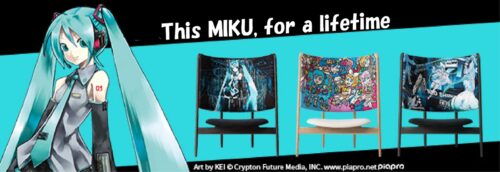
Photo Credit: http://kamui.ocean2006.com/
Shungo Ijima
Global Connector | Reformed Bureaucrat | Professional Over-Thinker
After years of navigating the rigid hallways of Japan’s Ministry of Finance and surviving an MBA, he made a life-changing realization: spreadsheets are soulless, and wood has much better stories to tell.
Currently an Executive at CondeHouse, he travels the world decoding the “hidden DNA” of Japanese culture—though, in his travels, he’s becoming increasingly more skilled at decoding how to find the cheapest hotels than actual cultural mysteries.
He has a peculiar talent for finding deep philosophical meaning in things most people ignore as meaningless (and to be fair, they are often actually meaningless). He doesn’t just sell furniture; he’s on a mission to explain Japan to the world, one intellectually over-analyzed observation at a time. He writes for the curious, the skeptical, and anyone who suspects that a chair might actually be a manifesto in disguise.
Follow his journey as he bridges the gap between high-finance logic and the chaotic art of living!