
The Architectural Middle Finger to “Fast Fashion”
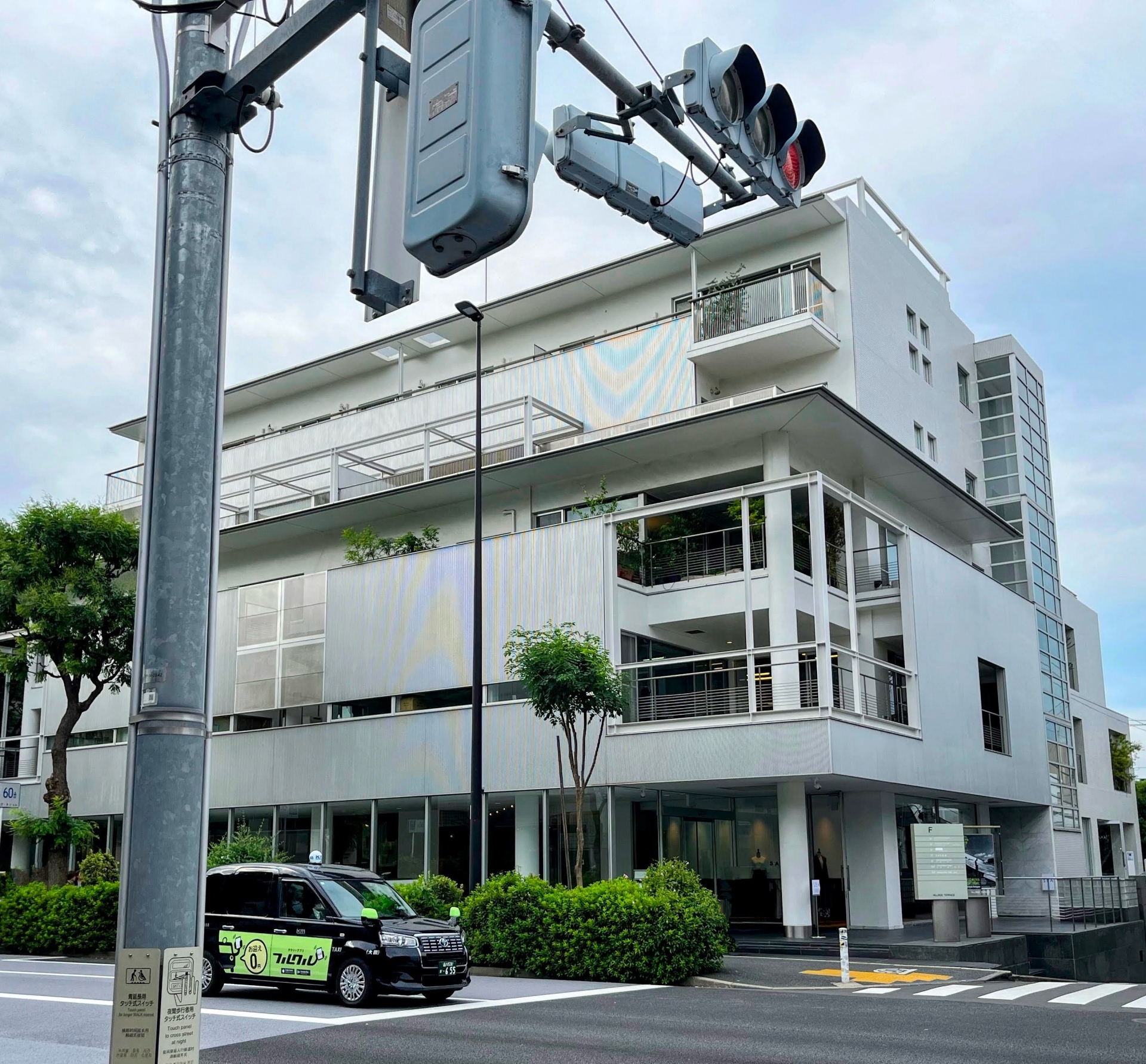
Tokyo is a city that changes its face as often as a TikTok trend, but Daikanyama’s Hillside Terrace is the stubborn, elegant exception. Built over thirty years by the legendary Fumihiko Maki, this place isn’t just a collection of buildings; it’s a modernist manifesto that refuses to age. In the hazy March sunlight, the stark white concrete doesn’t look like a relic of the 60s—it looks like a high-end spaceship that decided to park in one of Tokyo’s most expensive zip codes and never leave. It’s the kind of place where even the carefully placed pebbles in the courtyard seem to possess more composure and historical insight than the latest smartphone.
Walking through Hillside is like being inside a minimalist’s fever dream. The low-rise volumes and sudden bursts of greenery create a “porous” vibe that makes you feel like you’re drifting through a series of very expensive open-air living rooms. While the rest of the world is busy chasing “The Next Big Thing,” Hillside Terrace just stands there, looking effortlessly chic and reminding us that if you get the proportions right the first time, you don’t need a filter or a renovation for the next fifty years. It’s the ultimate architectural flex: “I was cool before you were born, and I’ll be cool long after your favorite skyscraper is turned into a parking lot.”
From Maki’s Concrete to Hokkaido’s Wood: The Craft of CondeHouse
As you wander past the boutiques—where a single T-shirt probably costs more than a decent used car—you realize that Hillside Terrace is actually an ode to the “Invisible Detail.” There’s a quiet, rhythmic hum to the way the glass meets the metal, a tactile pleasure in the way the shadows play across the pale surfaces. It’s a sensory experience that demands you stop rushing and start noticing. It’s the architectural equivalent of a perfectly dry martini: clear, potent, and utterly refined. You don’t just “visit” Hillside; you absorb its Zen-like arrogance.
This is exactly where the spirit of the place starts to shake hands with CondeHouse.
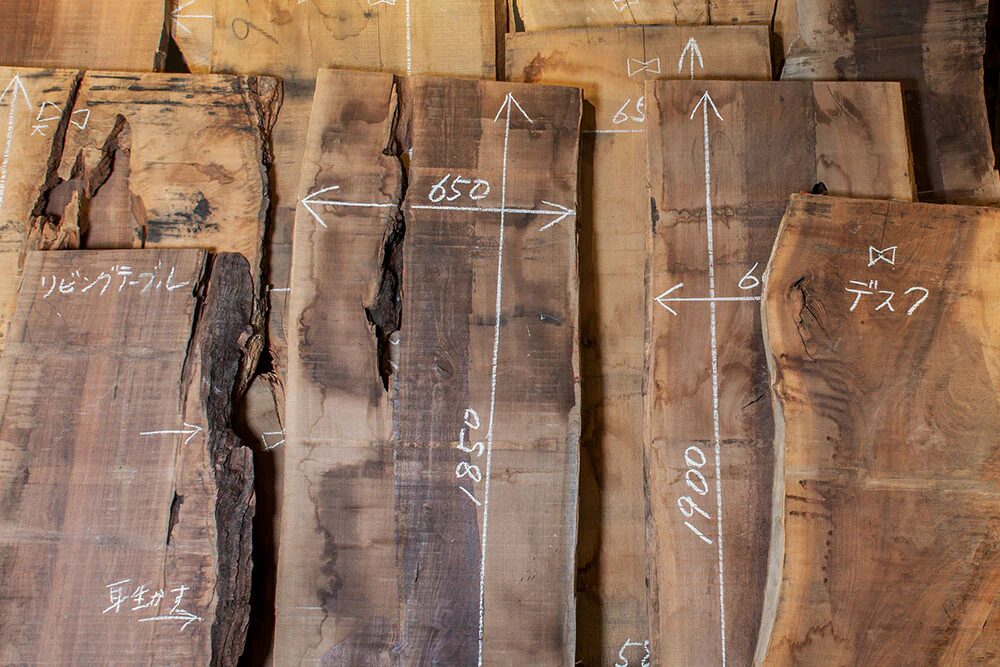
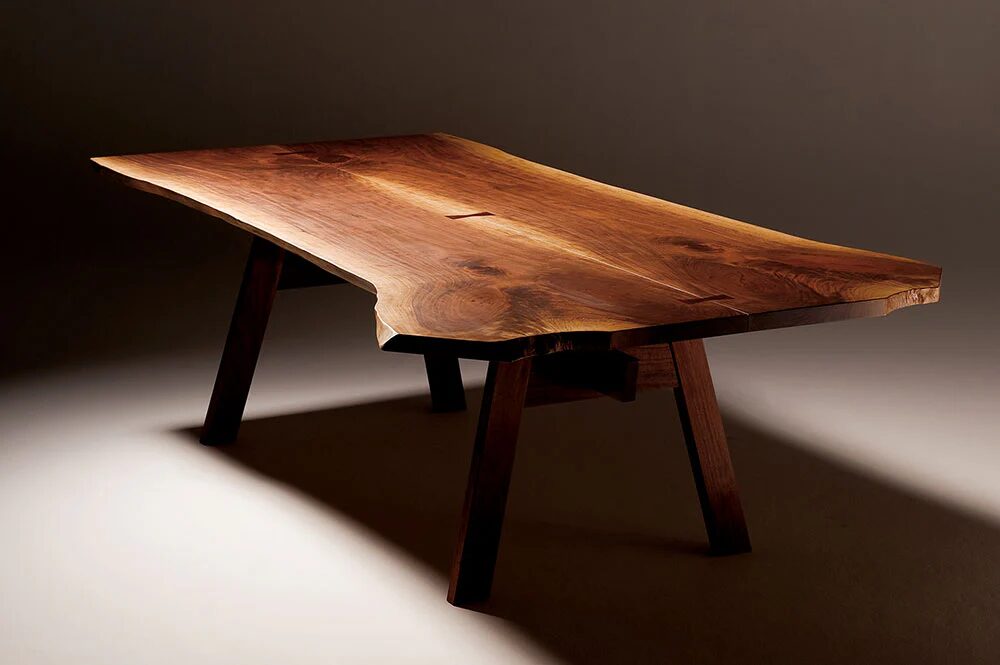
While Maki-san was busy carving this white sanctuary out of Tokyo’s concrete jungle, our artisans in Asahikawa were having equally obsessive arguments with Hokkaido Wood. Both share a common enemy: the “disposable culture.” If you find yourself seduced by the timeless curves of a Hillside balcony, you’re already speaking our language. We don’t just create furniture to fill a room; we craft the anchors that ground your daily life. This March, why not escape the noise and discover a sanctuary of your own—a space that, like a fine vintage or a Maki masterpiece, only gets more legendary with age? Come see us; your home is ready for its own “timeless white” moment.

Noel
Part design-critic, part coffee enthusiast, and a full-time devotee to Japan’s timeless aesthetics. Noel is the bridge between the craft of Hokkaido and the neon pulse of Tokyo. He believes that a chair is only as good as the conversation held in it. Whether you want to dive deep into woodcraft, discuss the best-hidden galleries in the city, or finally master the subtle phonetics of “Hokkaido,” Noel is here to guide you.Reach out anytime to swap stories, make an appointment, or get the inside track on where Tokyo’s design heart is beating today.