
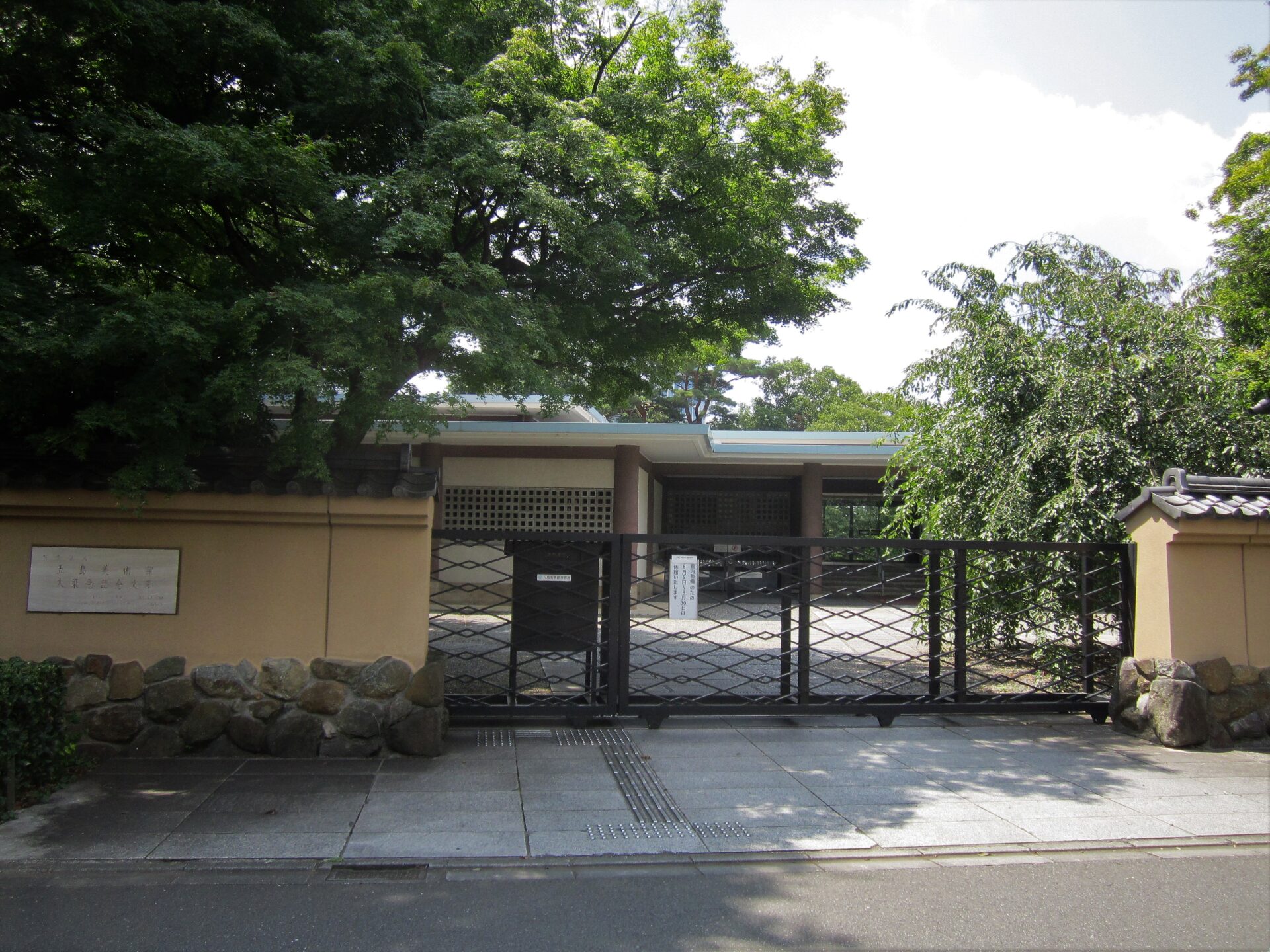
There is a museum in Kaminoge that most of Tokyo has never heard of, tucked behind a residential street a few minutes from the Tama River, where the only sound most afternoons is gravel underfoot and, somewhere past the camellia grove, water finding its way into a gourd-shaped pond. No queues. No gift-shop crowds. Just six thousand square meters of former private estate, folded into a cliffside, doing everything in its power to stay exactly as unassuming as it looks from the gate.
That is, more or less, the entire point.
The Collector Who Built a Museum to Disappear In
The Gotoh Museum opened in 1960, the private collection of Keita Gotō, chairman of the Tokyu Group, who spent decades acquiring classical Japanese and Chinese paintings, calligraphy, and archaeological objects — the kind of holdings that would, in most cities, demand a building loud enough to match them. Gotō built the opposite. Architect Isoya Yoshida folded principles from Heian-period shinden-zukuri residential architecture into modern reinforced concrete, and the result reads less like a museum than like someone’s very good, very restrained house — which, structurally, it once was.
The collection’s single most famous holding, fragments of the 12th-century Genji Monogatari Emaki — the oldest surviving illustrated handscroll of The Tale of Genji, and a National Treasure — is shown for barely a week each year, during Golden Week. A second set of fragments, from the Murasaki Shikibu Diary, appears each autumn. The rest of the year, the treasure is simply absent, on the theory, apparently, that anticipation is also a kind of beauty.
Why the Garden Is the Real Exhibition
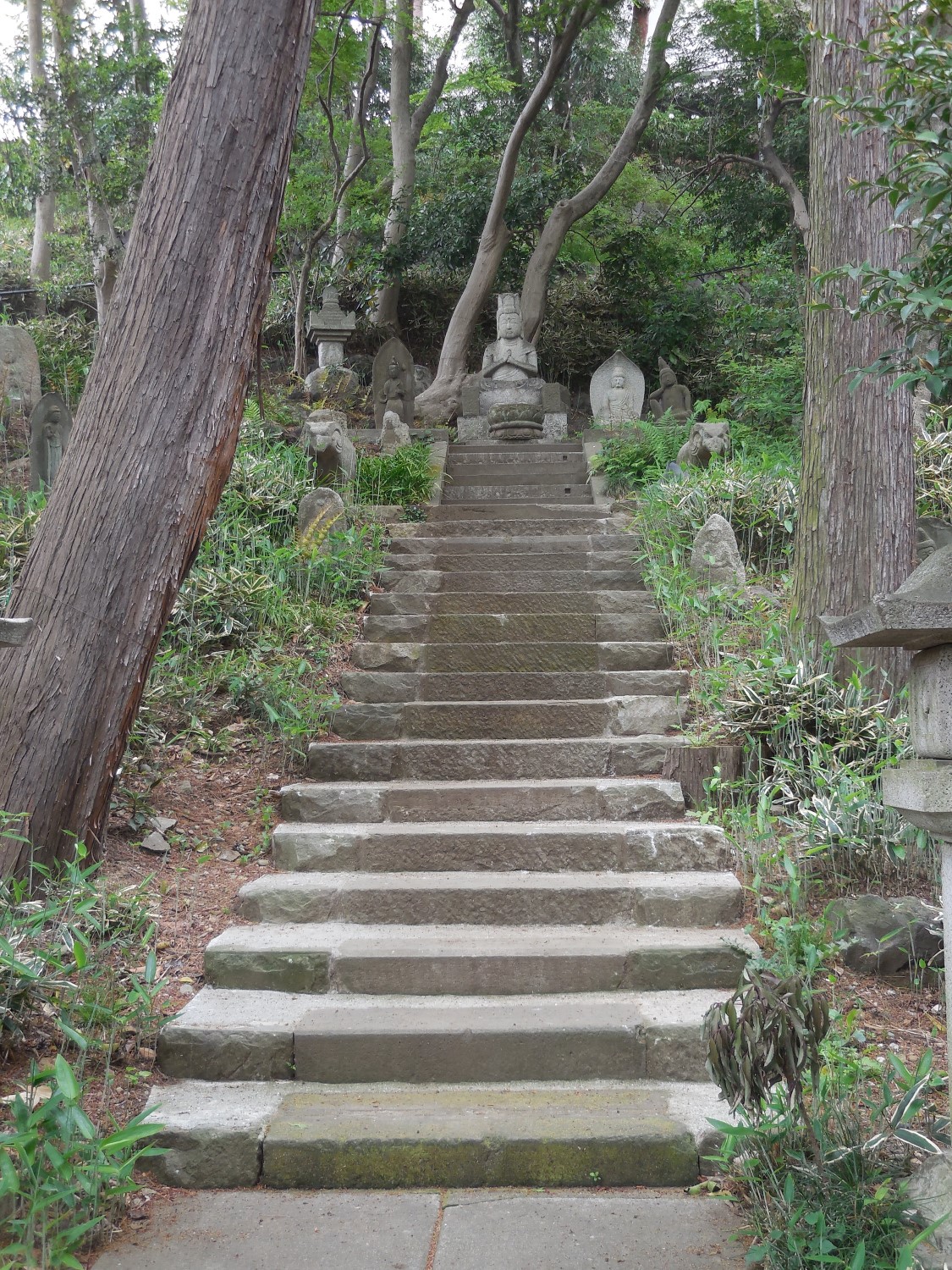
Most visitors come for the art and leave remembering the garden instead. Built into the Kokubunji Cliff Line, it splits into an upper “overlook garden,” positioned for long-gone views of Mount Fuji, and a lower half that follows the natural slope down toward a sacred pond named Horai. The planting is deliberately unshowy — camellia groves, an azalea hill, a weeping cherry designated a Setagaya landmark tree — left to grow “in naturally close arrangement,” as the museum’s own literature puts it, rather than pruned into postcard shape. Stone Buddhist statues, gathered by Gotō from sites around the country, sit half-obscured along the paths, less like exhibits than like things the garden simply happens to contain.
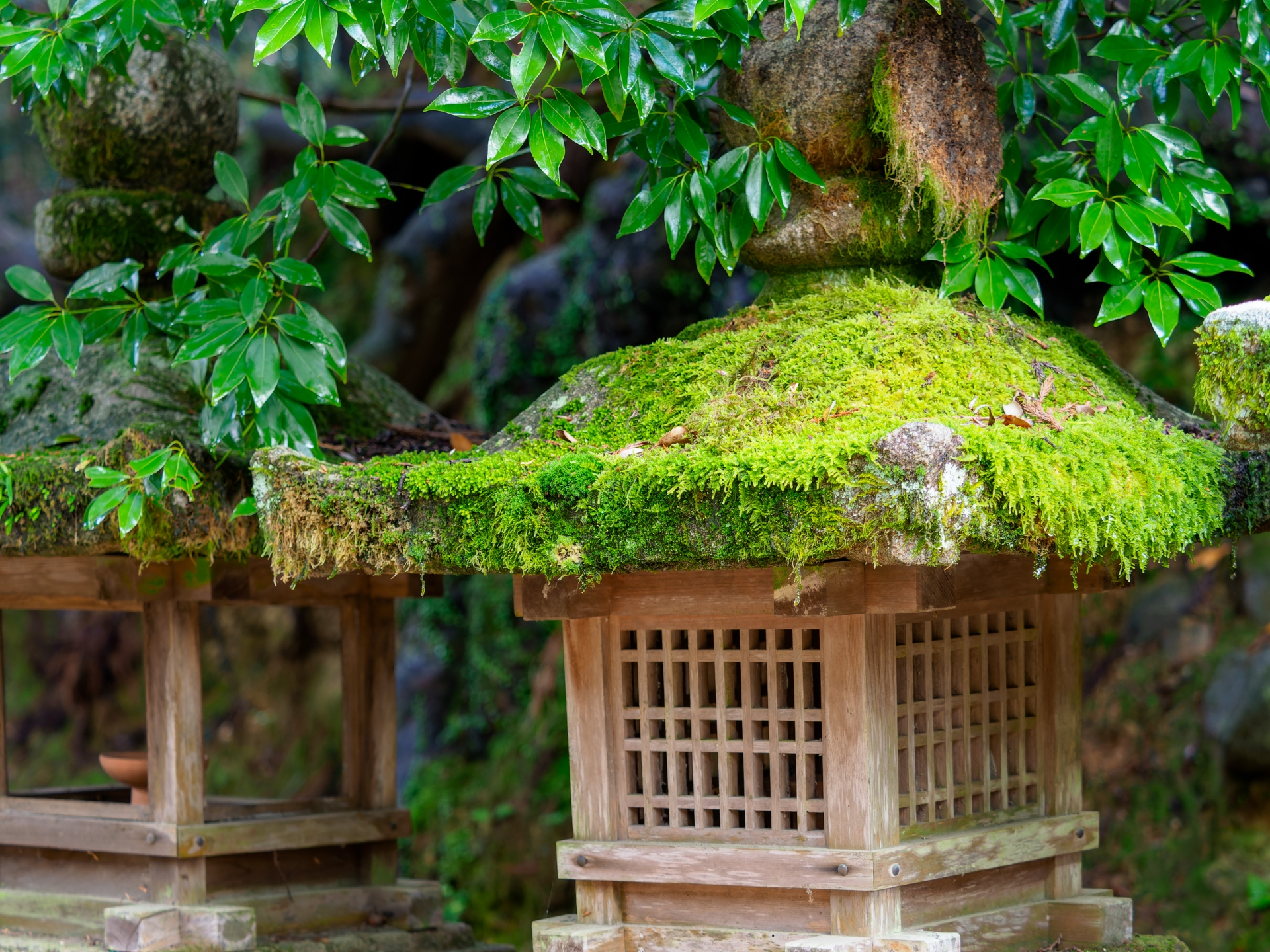
Two registered cultural-property teahouses, Fujimi-tei and Kokei-an, are set into the grounds and opened to the public on a monthly schedule — small, deliberate apertures into a much older idea of Japanese space: rooms built for almost nothing to happen in them on purpose.
Three things every first-time visitor gets wrong
- They time it around the art. Unless you land on one of the two annual openings for the Genji or Murasaki Shikibu scrolls, the headline pieces won’t be on view — and that’s fine. The rotating exhibitions of ceramics, calligraphy, and lacquerware are excellent on their own terms, and the garden alone (¥300, garden-only ticket) is worth the trip.
- They rush the upper garden. The overlook terrace is the one spot in the complex built for stillness rather than movement. Most people walk through it in under a minute. Don’t.
- They miss the teahouses entirely. Fujimi-tei and Kokei-an aren’t always open — check the museum’s monthly calendar before you go, or you’ll walk right past two of the best-preserved small tea spaces in western Tokyo without knowing it.
From a Cliffside Garden to a Piece of Hokkaido Elm
What the Gotoh Museum understands, and what a thousand louder museums don’t, is that Japanese beauty consciousness has never needed volume. It needs restraint held long enough to become presence — a color that shows up only once the noise has died down, a room considered finished the moment nothing more is added to it.
CondeHouse has spent the last several years trying to send that same idea out into the world — not as a slogan, but as material. Not by making another everyday tool for living, but by giving that restraint a color, and a space to live in.
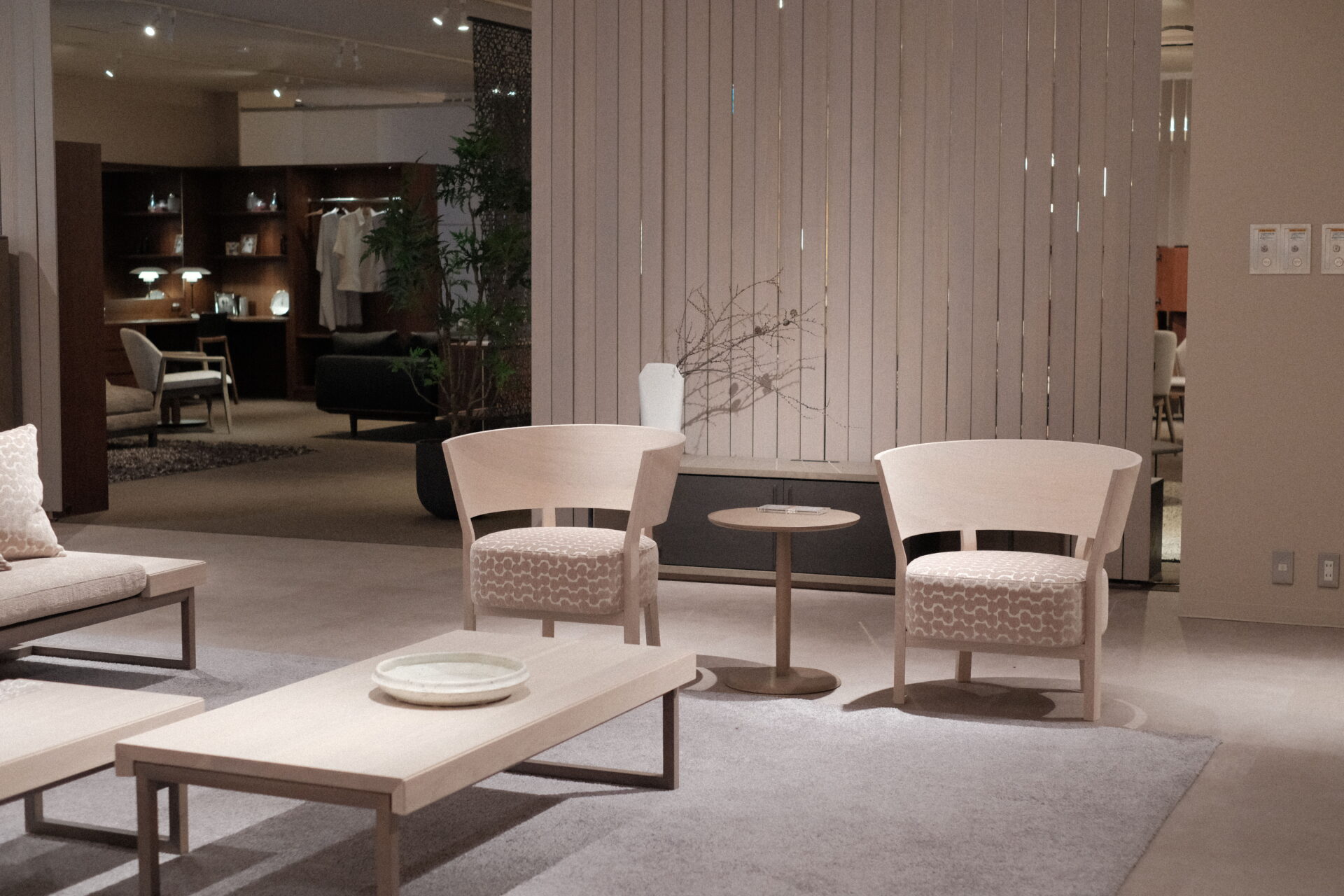
Kasumi White (霞) is that idea as morning: a pale, hazy grey-white drawn from Hokkaido elm, named for the mist that softens a spring landscape before the sun fully arrives. Keshizumi Gray (消炭) is that idea after evening: the deep, quiet black-brown of a charcoal fire just gone out, its wood grain still visible beneath the color, wabi-sabi rendered in furniture rather than explained in a caption.
Neither finish is trying to impress you, in exactly the way the Gotoh Museum’s garden isn’t trying to impress you. Both are betting that if the room is quiet enough, and the material honest enough, presence will do the rest.
If the garden in Kaminoge is where that idea lives in stone, moss, and water, Kasumi and Keshizumi are where it lives in a home. The collection is available to see and sit with at CondeHouse showrooms — come by, and we’ll show you what quiet looks like in Hokkaido elm.

Noel
Part design-critic, part coffee enthusiast, and a full-time devotee to Japan’s timeless aesthetics. Noel is the bridge between the craft of Hokkaido and the neon pulse of Tokyo. He believes that a chair is only as good as the conversation held in it. Whether you want to dive deep into woodcraft, discuss the best-hidden galleries in the city, or finally master the subtle phonetics of “Hokkaido,” Noel is here to guide you.Reach out anytime to swap stories, make an appointment, or get the inside track on where Tokyo’s design heart is beating today.