
Why Every Designer in Tokyo Should Already Know It
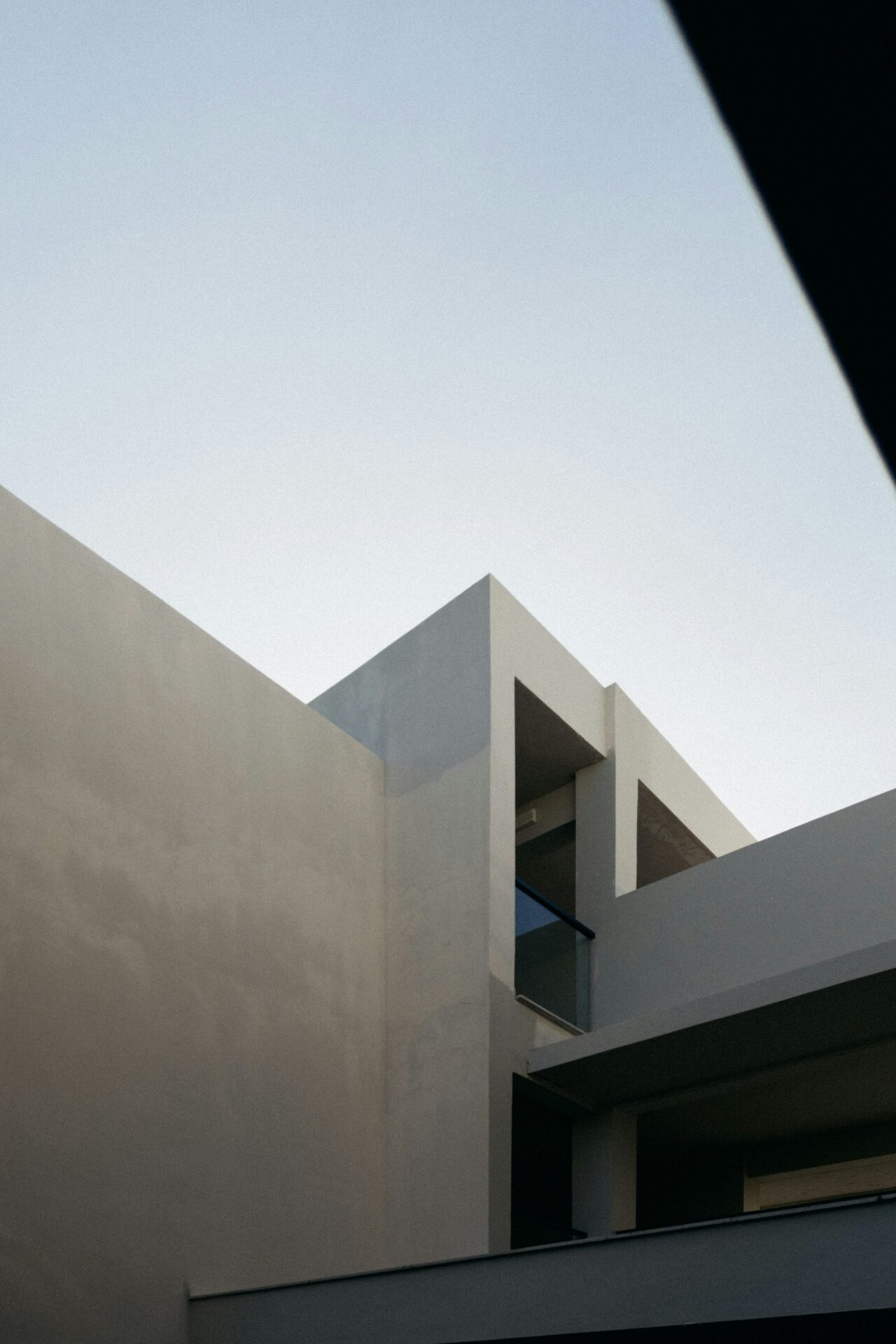
There is a building in Nogizaka that has no business being free.
It sits on the third and fourth floors of a quiet blue office block, one minute on foot from the station exit. It has hosted some of the most important architectural minds of the last four decades — Tadao Ando, Zaha Hadid, Kengo Kuma, SANAA — not as names on a plaque, but as curators of their own exhibitions, designing the show itself, making the space an argument for how they see the world.
It is called TOTO Gallery MA — and it is, without question, one of the most intelligent things a plumbing company has ever done.
Why Tokyo’s Most Important Architecture Gallery Has Been Free Since 1985 and Nobody Talks About It
In 1985, TOTO (yes, the bathroom fixtures TOTO) decided its relationship with space, materiality, and the human body deserved a proper cultural home. So they opened Gallery MA on the upper floors of their Nogizaka building, dedicated entirely to architecture and interior design. The name is drawn from ma (間) — the Japanese concept of negative space, the meaningful pause, the silence that gives sound its shape.
Forty years later, the gallery has hosted over 130 solo exhibitions, and quietly become the place where serious architects go to see what a serious architect is thinking. The special advisor committee currently includes Tadao Ando. The entry fee is ¥0.
This is either an act of remarkable corporate generosity, or the most sophisticated long-term brand strategy in Japanese design history. Possibly both.
The Three Things Every First-Time Visitor to Gallery MA Gets Wrong
① They expect a big entrance.
Gallery MA is on the third floor of an office building. There is no grand lobby, no dramatic approach. You press an elevator button and go up. Which turns out to be exactly the right preparation for what’s inside — a space that rewards people who stopped expecting spectacle.
② They walk past the courtyard.
Tucked between the third and fourth floor galleries is a small open-air terrace — quiet, unexpected, and completely easy to miss. It shouldn’t work inside an office building. It absolutely does. Find it.
③ They forget about Bookshop TOTO.
Possibly the finest architecture and design bookshop in Tokyo, downstairs on the ground floor, curated with the quiet confidence of people who have been reading seriously for forty years. Budget extra time. And extra bag space. You have been warned.
Sako Yamada’s Parallel Tunes: The Architecture Exhibition That Asks You to Listen With Your Eyes
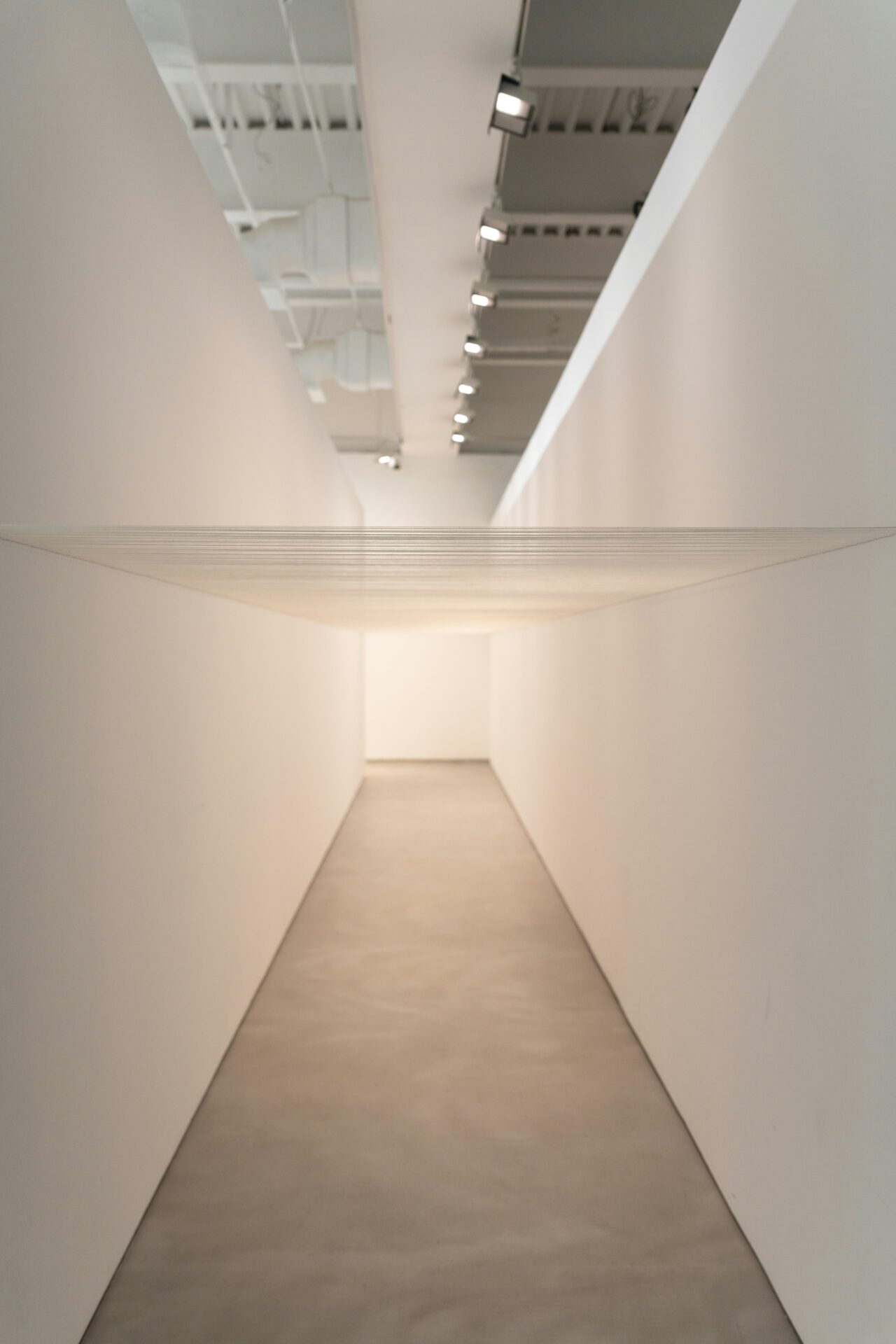
Through July 12th, Gallery MA is showing the solo exhibition of architect Sako Yamada. The exhibition — parallel tunes — explores how a single space can hold multiple stories simultaneously: architecture as a musical score, with different melodies running through the same room at the same time.
Yamada’s work is quiet and precise. Buildings that don’t announce themselves, but reward the people who slow down enough to look — and in this case, to listen. The show itself is designed by Yamada, which means the exhibition space isn’t just a backdrop. It’s the argument. Walking through it, you start to hear what she means.
This is Gallery MA at its best: not an exhibition about an idea, but an exhibition that is the idea.
From Ma to Asahikawa: What an Empty Space and a Piece of Hokkaido Wood Have in Common
Walking back out into the June heat of Nogizaka, I kept returning to that concept: ma. The meaningful pause. The space between things that gives the things themselves their meaning.
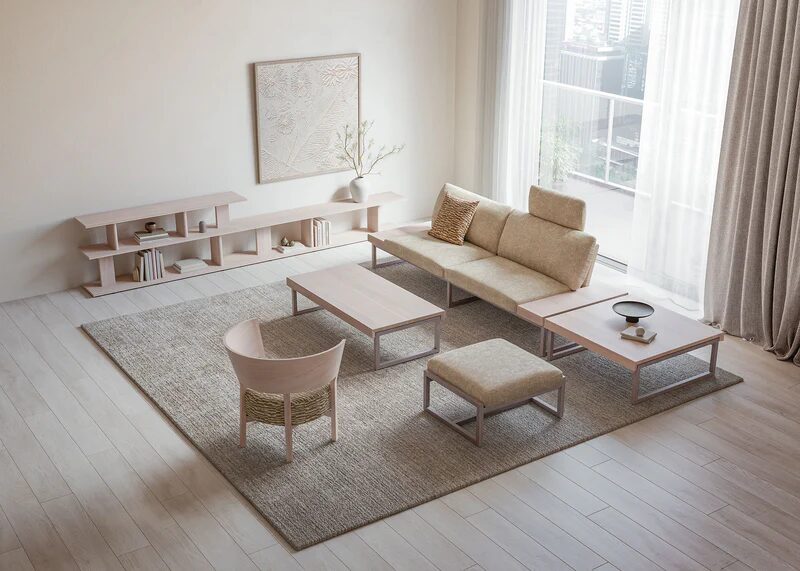
It occurs to me that furniture, at its best, does exactly the same thing. A well-designed chair doesn’t fill a room — it defines the space around it. The breathing room it creates. The conversation it makes possible. The moment of stillness it offers at the end of a long day. At CondeHouse, this is what our craftsmen in Asahikawa are really making. Not objects. Intervals. The quiet space between the noise.
If Gallery MA taught you what ma feels like inside a room, Asahikawa is where you find out where it comes from in the wood.
This May, CondeHouse opened its Asahikawa factory doors for CondeHouse Style 2026 — three days under the theme of “KI-ZU-KU”, a word that somehow manages to mean noticing wood, building connections, and the act of making, all at the same time. People who made it up there walked a live production line, got unreasonably close to Hokkaido timber in its rawest form, and left with the particular glow of someone who has just understood something they couldn’t quite explain before.
Missed it? So did I, technically. But the good news is that the Asahikawa factory and showroom welcome visitors year-round — and the new collection, including pieces that came out of this year’s event, is waiting you worlwide.
No factory tour required. Though if you’ve ever sat in a CondeHouse chair and wondered “how did they do that?”, the answer is in Asahikawa. And it’s worth the trip.
Noel
Part design-critic, part coffee enthusiast, and a full-time devotee to Japan’s timeless aesthetics. Noel is the bridge between the craft of Hokkaido and the neon pulse of Tokyo. He believes that a chair is only as good as the conversation held in it. Whether you want to dive deep into woodcraft, discuss the best-hidden galleries in the city, or finally master the subtle phonetics of “Hokkaido,” Noel is here to guide you.Reach out anytime to swap stories, make an appointment, or get the inside track on where Tokyo’s design heart is beating today.