
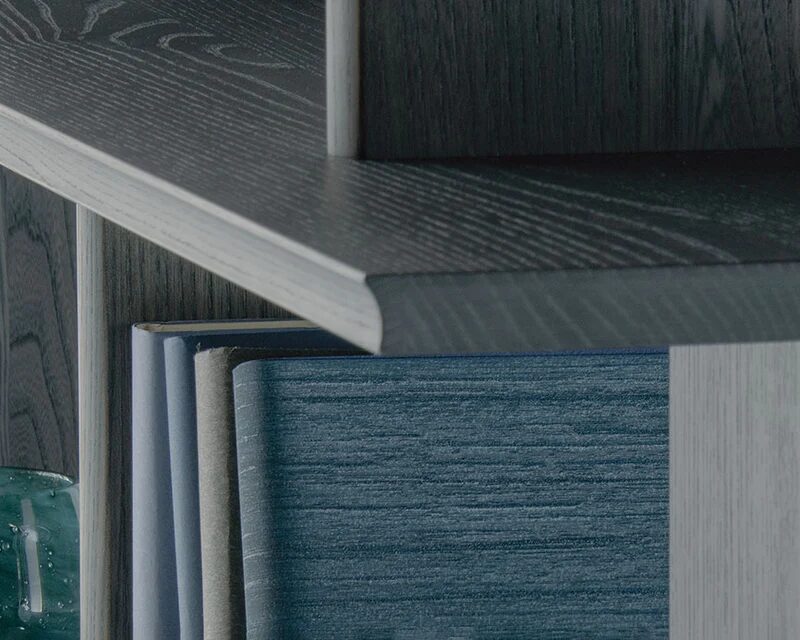
Tokyo’s Most Talked-About New Hotel Isn’t About Luxury. It’s About What Luxury Forgot.
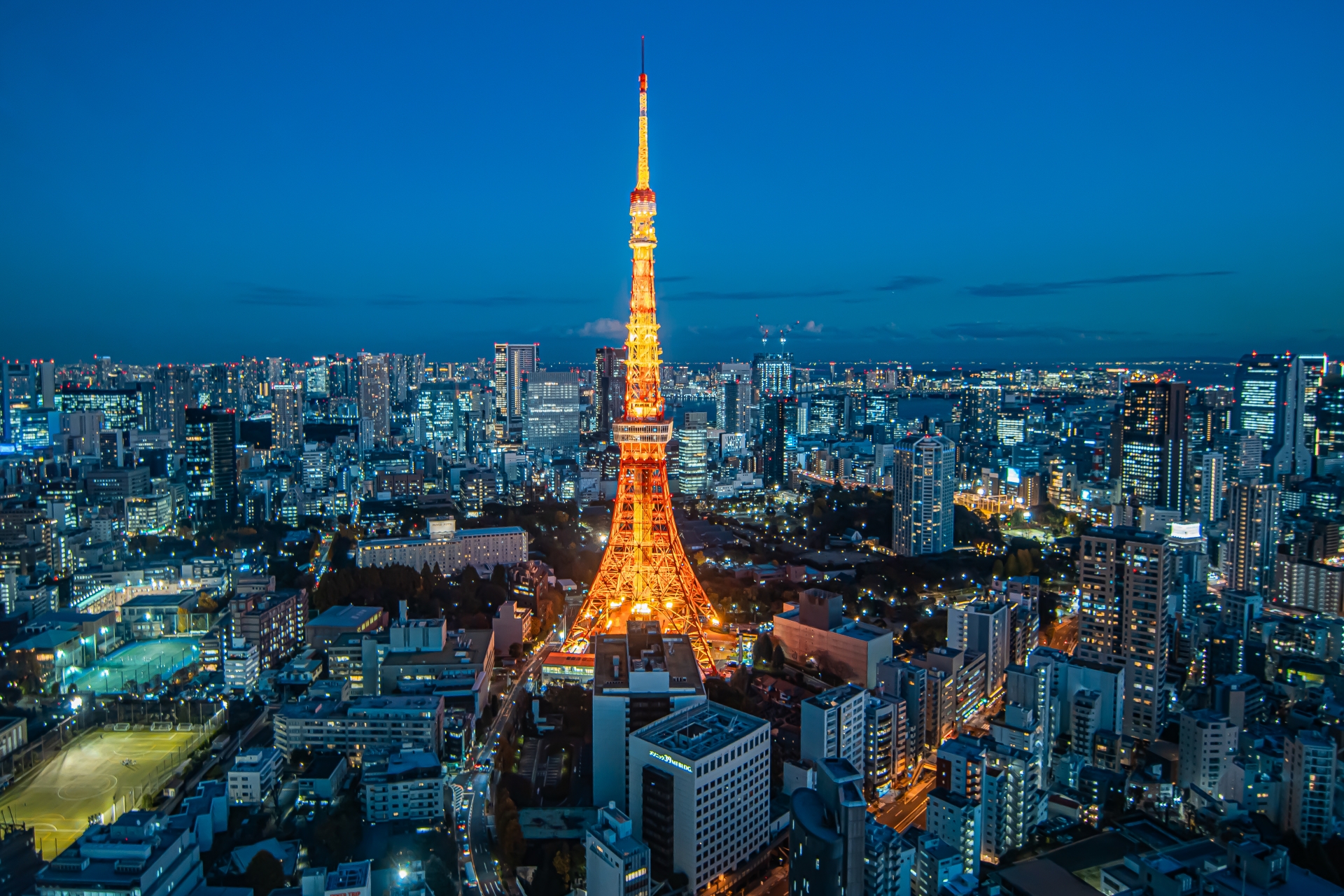
There is a moment, somewhere between the 38th floor elevator doors opening and your first view of the Imperial Palace gardens floating in the Tokyo haze, when you realise that 1 Hotel Tokyo has done something quietly extraordinary: it has made you forget you are in a skyscraper.
This is not an accident. It is, in fact, the entire point.
Opened in March 2026 in the Akasaka Trust Tower, 1 Hotel Tokyo is the New York-born brand’s first property in Japan — and its most Japanese one yet. The hotel occupies floors 38 through 43 with the unhurried confidence of something that knows exactly what it is: a sanctuary built from moss, reclaimed wood, Oya stone, and a deeply held belief that the most meaningful luxury is the kind that brings you closer to nature rather than further from it.
In a city with no shortage of spectacular hotels, this one has decided to be something rarer. Still.
Why Tokyo’s Most Talked-About New Hotel Isn’t Trying to Impress You — and Why That’s Exactly Why It Does
The arrival experience at 1 Hotel Tokyo is designed, deliberately, to feel like ascending through a forest. A recycled wood “1” claimed by vines at street level. A wooden doorway framed by greenery and stonework. Then the elevator, rising fast, until the doors open on the 38th floor and a ceiling that recalls a raked Zen sand garden stretches above you — and below, through floor-to-ceiling glass, all of Tokyo.
The interiors were created by Brooklyn-based studio Crème, who approached the brief with a concept they describe as wabi-sabi through raw, natural materials. Which is either very brave or very obvious, depending on your view of what it means to design a luxury hotel in Japan. Reclaimed timber. Oya stone walls connecting the space to Tokyo’s geological history. Preserved moss panels. Live-edge plank headboards in every room. Locally crafted art using organic materials throughout.
The result is a hotel that feels less like a place you check into and more like a place you remember how to breathe in.
Three Things Every Design Lover Should Know Before Visiting
① The ceiling on the 38th floor is the most underrated thing in Tokyo right now.
A raked-sand Zen garden rendered overhead, paired with handstitched lantern lighting at the bar. It is the kind of detail that takes three seconds to notice and three minutes to fully appreciate. Bring someone who will stand there quietly with you.
②The rooms are quieter than they should be.
211 rooms with moss walls, live-edge wood, preserved greenery, and a natural colour palette so carefully considered it feels less like interior design and more like an invitation to stop performing. Guests have described waking up and, for a confused moment, not remembering they were in the middle of a city of 38 million people. This seems intentional.
③ The views are doing most of the talking — but the materials are having the better conversation.
Tokyo Tower to one side. The Imperial Palace gardens on the other. Spectacular, yes. But the detail that stays with you is not the view. It is the texture under your hand on the reclaimed wood panel beside the window. It is the temperature of the Oya stone. It is the realisation that the hotel has been designed so that the most interesting thing in the room is never the screen.
From Reclaimed Wood on the 38th Floor to Hokkaido Elm in Your Living Room: The Colour That Changes Everything
Walking back down to street level — which feels, after two hours at 1 Hotel Tokyo, like a small act of violence against the nervous system — I kept thinking about a colour.
Not the view. Not the moss. The colour of the reclaimed wood panels: that particular depth of charcoal that is not quite black, not quite brown, but something older and more deliberate than either. A colour that carries the memory of fire without its heat. The colour of embers after they have quietly gone out.
It is, it turns out, exactly the colour that CondeHouse has been developing in Asahikawa. keshizumi Gray — 消炭 —
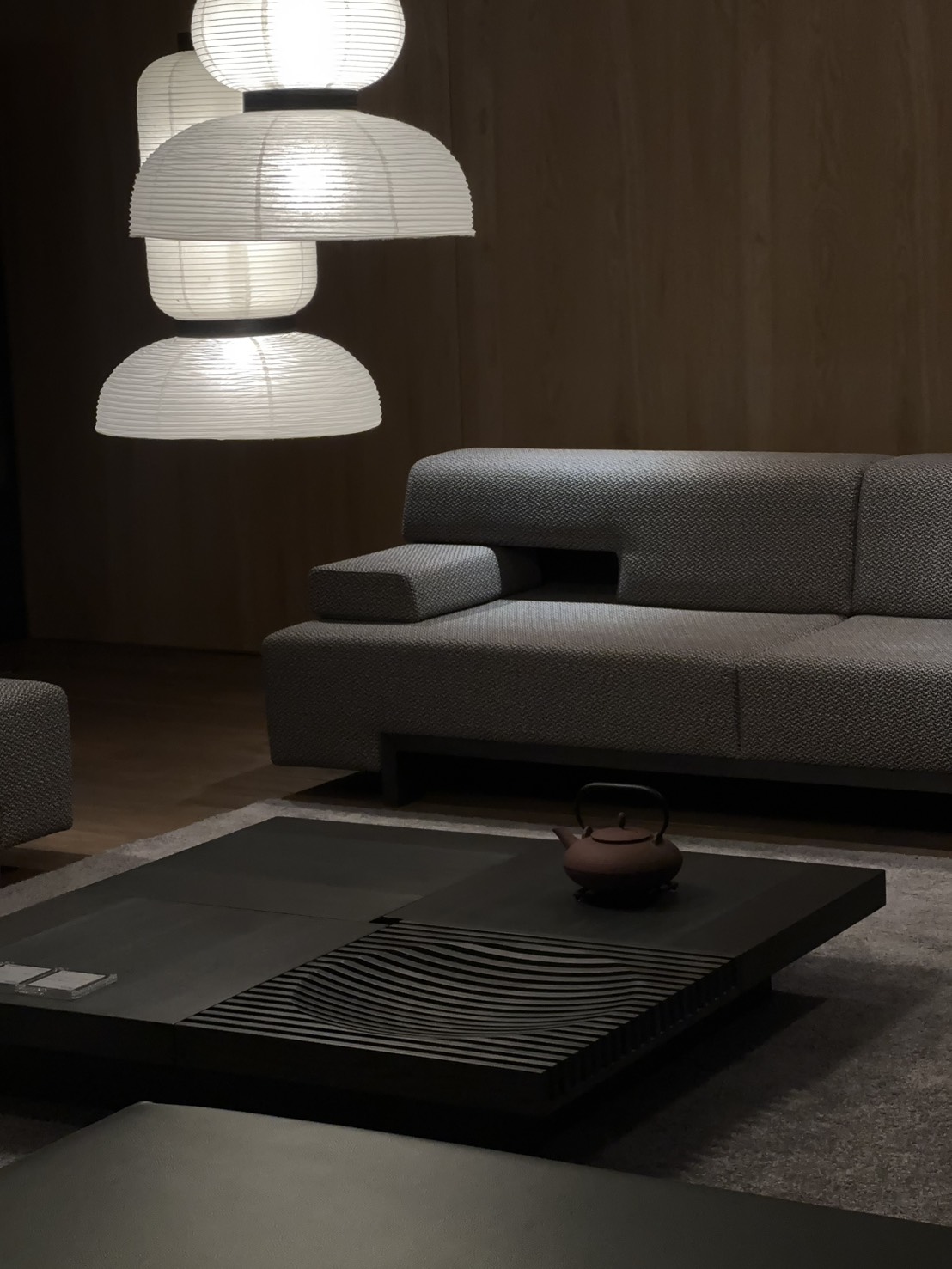
Keshizumi — CondeHouse’s new finish launched in 2025 — takes Hokkaido elm, with its characteristically powerful and delicate grain, and wraps it in a soft, veil-like black inspired by this same traditional Japanese colour. The wood grain is never hidden. It breathes through the finish like light through smoke. The result is a piece of furniture that does what 1 Hotel Tokyo does at the scale of an entire building: it quiets a room without silencing it.
“Restrained, yet undeniably present” is how the craftsmen in Asahikawa describe it. Walking out of a hotel that spent six floors and 211 rooms proving exactly that point, the description lands differently than it might have before.
Wabi-sabi, as a philosophy, has been borrowed, translated, and occasionally diluted into a wellness aesthetic. 1 Hotel Tokyo restores its weight. And Keshizumi — a colour born from the same tradition, expressed in the grain of a Hokkaido tree — carries it into your home.
If the hotel gave you the feeling, perhaps it is time to bring the material home. The Keshizumi collection is available now at the Omotesando showroom — a twelve-minute walk from Akasaka, and a world away from furniture that forgot to have a philosophy.

Noel
Part design-critic, part coffee enthusiast, and a full-time devotee to Japan’s timeless aesthetics. Noel is the bridge between the craft of Hokkaido and the neon pulse of Tokyo. He believes that a chair is only as good as the conversation held in it. Whether you want to dive deep into woodcraft, discuss the best-hidden galleries in the city, or finally master the subtle phonetics of “Hokkaido,” Noel is here to guide you.Reach out anytime to swap stories, make an appointment, or get the inside track on where Tokyo’s design heart is beating today.