
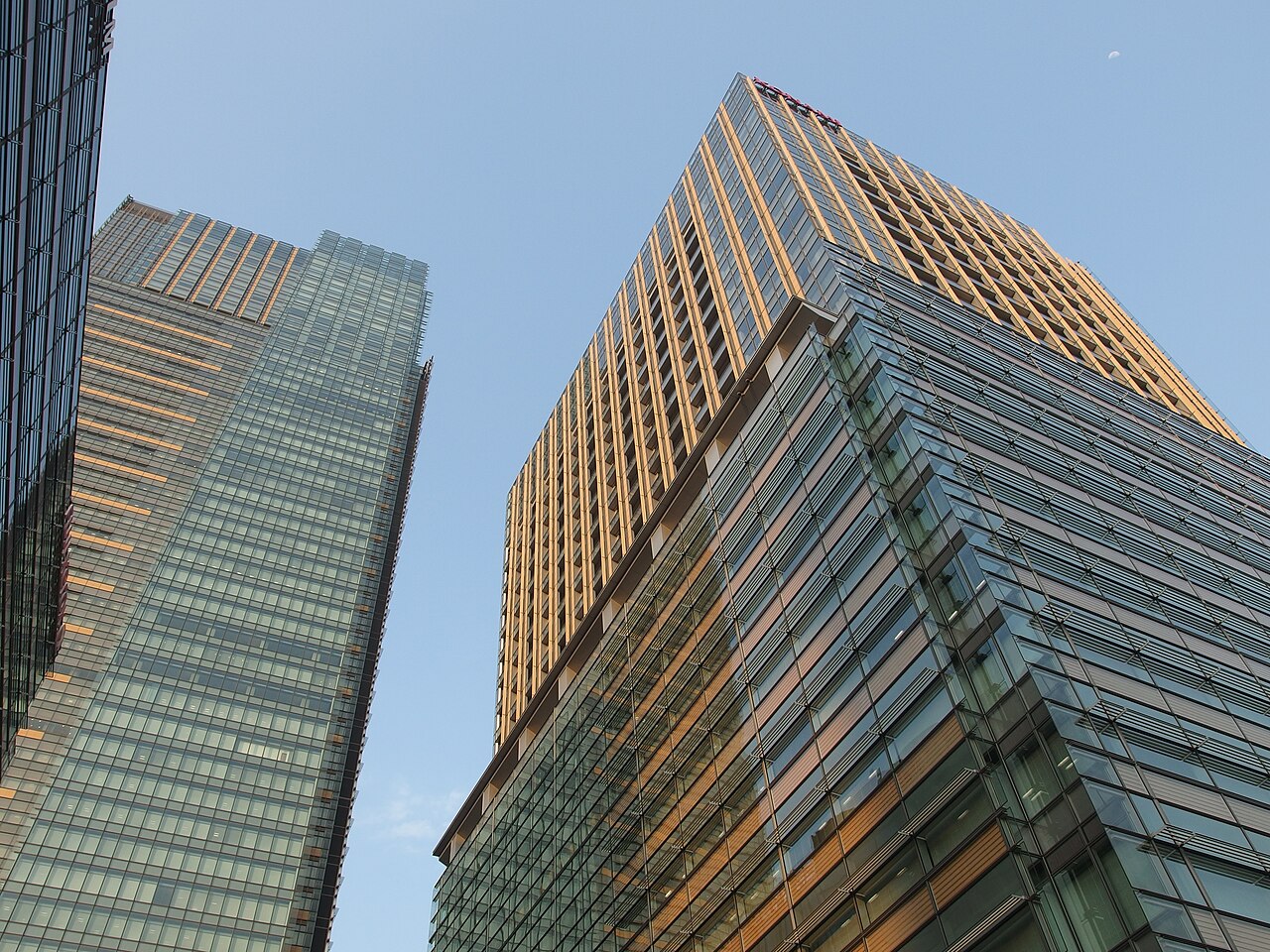
There is exactly one exhibition in Tokyo where a medical device, a toothbrush, a village revitalization project, and a very serious chair can share the same wall, and nobody in the room finds that strange.
It is called G-Ten (G展), it is free, it needs no reservation, and this year it is celebrating its 70th birthday by doing what every 70-year-old secretly wants to do: putting on every color it owns.
Seventy Years, One Question: “Is It Good?”
The Good Design Award has been asking the same deceptively simple question for seven decades, and it has never accepted “it looks nice” as an answer. Winners come from everywhere — consumer products, professional and medical equipment, architecture, services, regional initiatives — which is how you end up with a pen and a public program sharing a podium. The rule, roughly, is that design earns its place by making life, work, or society better for someone.
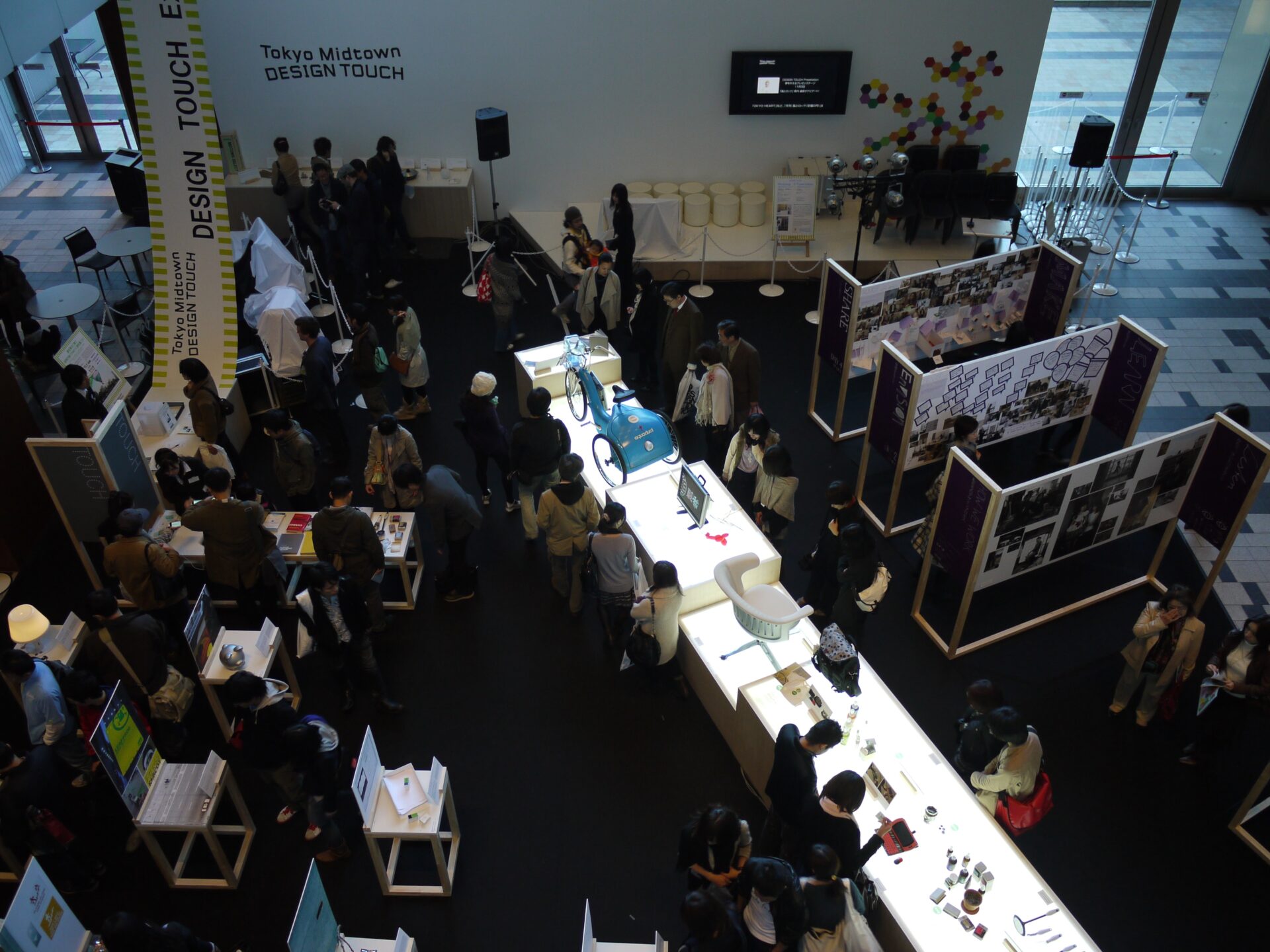
Every year, the full set of winners moves into Tokyo Midtown for a few days so the public can walk through them. This year the dates are October 31 to November 4, 11:00 to 19:00 (closing at 18:00 on the final day), across the B1F hall and atrium, the 4F conference rooms, and the 5F Design Hub. Entry is free. If the crowd gets enthusiastic, entry may be limited — a problem most exhibitions would kill for.
The Theme Is “MULTI LOCAL × MULTI COLOR” and the Poster ?A Punctuation Mark
This year’s main visual, by graphic designer Ryuichi Kawajiri, is an exclamation mark built from many colors — which is exactly the feeling the show is going for: that small involuntary “oh!” you make when something is just right.
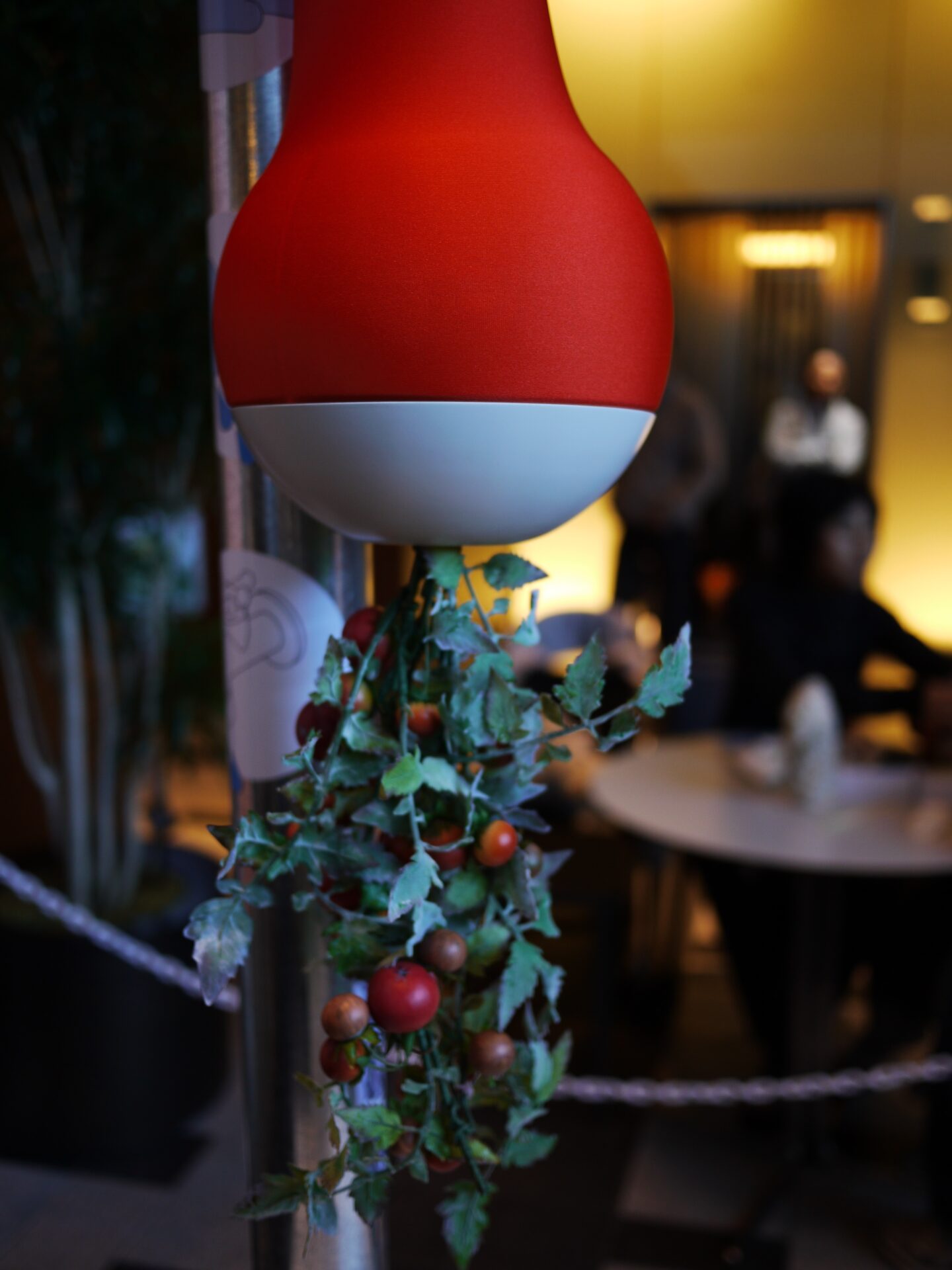
The venue plays along. The spatial design is by On Design, and it scatters cubes with different colors on each face across the space, so the palette shifts as you walk past them, and now and then you look up and find the ceiling area has quietly turned into a rainbow. It is the rare exhibition design that dares you to enjoy yourself.
Three things every first-time visitor gets wrong
- They treat it like a shop, or like a museum — never both.
There is a pop-up store, GOOD DESIGN STORE TOKYO by NOHARA, in the Galleria B1F atrium, selling around 250 of this year’s winning items, so you can buy the thing you just admired. The trick is to do it in that order. Shopping first is how you end up owning a very nice stationery set and having seen nothing. - They skip the Long-Life Design section.
Anyone can look good in the year they launch. The Long-Life Design Award honors designs that are still loved long after the trend cycle has moved on, and it quietly asks the most uncomfortable question in the building: *will yours still be here in twenty years? - They forget they have a vote.
Visitors can vote for their favorite in “Everyone’s Good Design,” chosen from the Gold and Grand Award winners. There is also a stamp rally and a live radio studio (G-Ten Radio) with judges and winning designers, so you can be a spectator, a juror, and an audience member in one afternoon. Check the official schedule for times.
Bonus round for the thorough: the judges’ own picks, “My Choice 2026,” are shown at GOOD DESIGN Marunouchi from October 15, in three themed phases. And a special Hiroshima Good Design Award display in the Midtown atrium shows how a regional award is thinking about its own local design, in a country where every region seems to be quietly doing the same.
From a Splintered Chair to a Smoked Coffee: Why a Hokkaido Furniture Maker Keeps Picking Fights With Its Own Comfort Zone
Here is the thing we like most about the Good Design Award: it rewards the people who were willing to try something before anyone knew whether it would work.
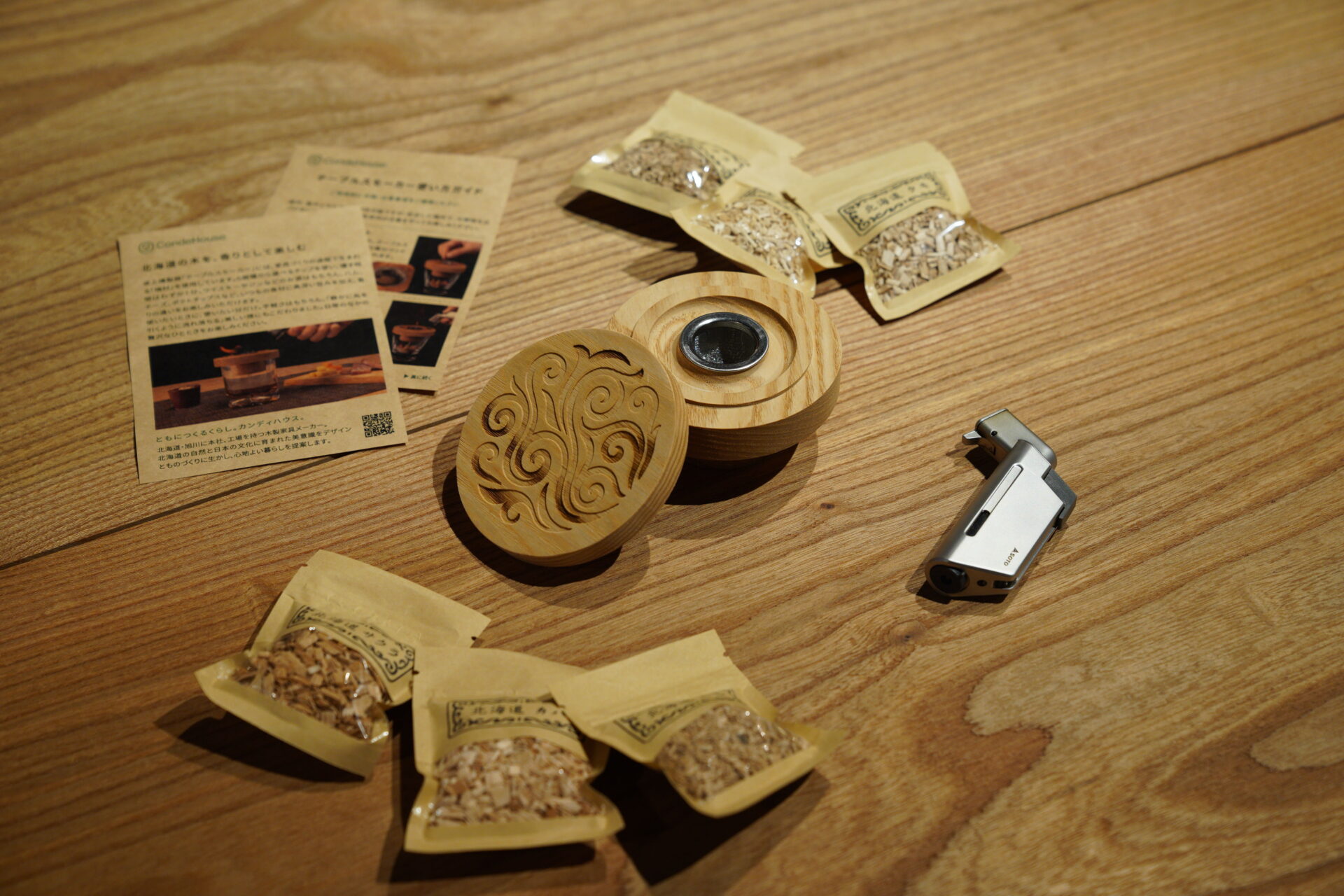
CondeHouse has always believed that design is a challenge you keep accepting, not a finished thing you put on a shelf. That is why a Hokkaido furniture maker asked Oki Sato of nendo to draw a chair, and ended up with SPLINTER — a chair that looks as though it had been split into pieces and gathered back into one, and which won a Good Design Award in 2014. It is also why we have stepped beyond furniture altogether, into the way people live and eat: smoked coffee, where the woods we work with every day become flavors you can taste, and the Table Smoker, a cooking tool that turns the dinner table into a small stage for smoke. It went on general sale in Japan this month.
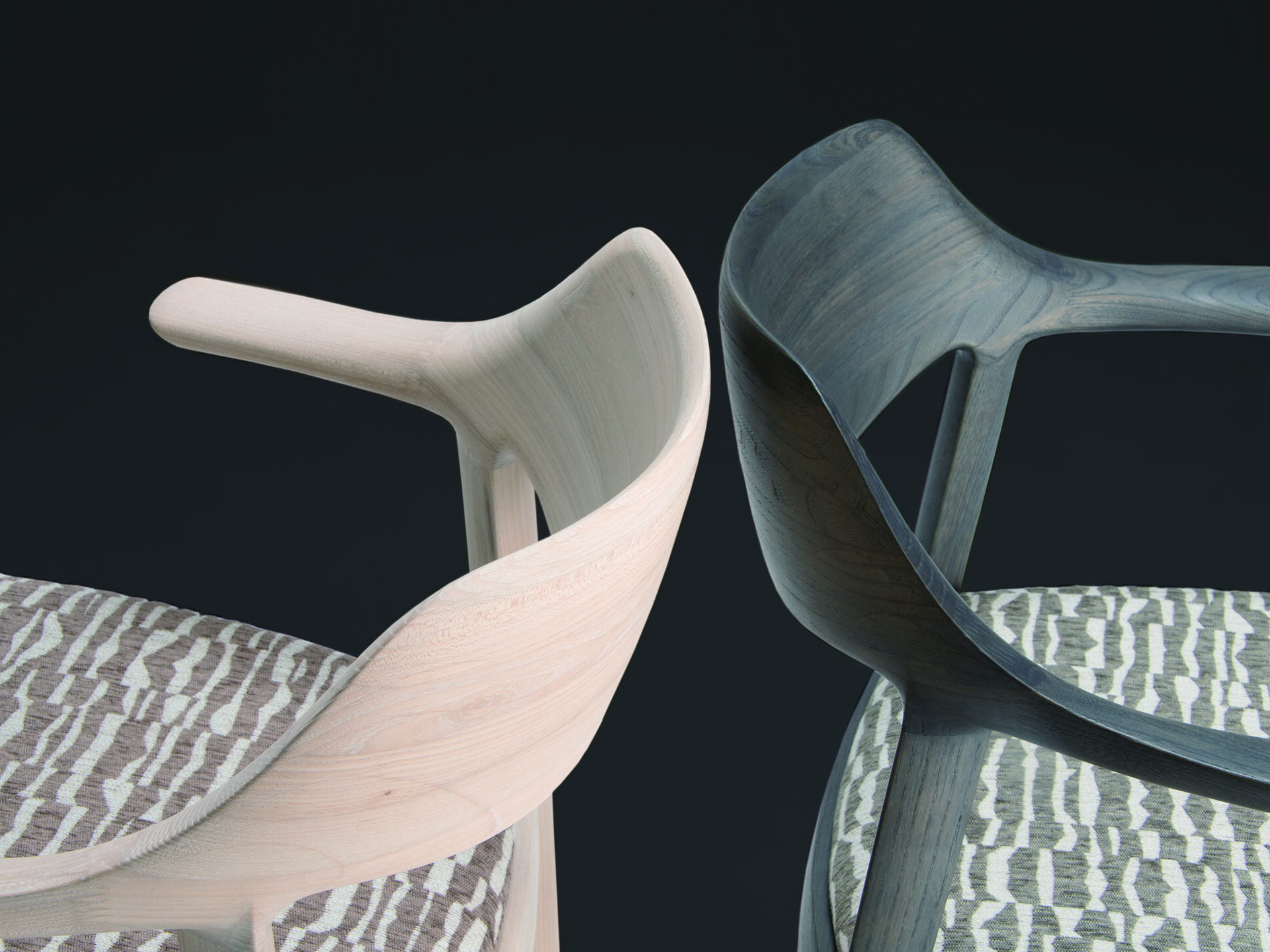
And this year’s theme happens to describe our own year rather neatly. “MULTI COLOR” is, to us, Kasumi White (霞) and Keshizumi Gray (消炭): two new colors for Japanese Elm, one a pale, hazy morning mist and the other the deep, quiet black of a charcoal fire just gone out. We did not bring a new tool for living. We brought new colors, and new rooms to put them in.
Go to G-Ten. Vote. Buy the nice pen.
Can’t make it to Tokyo by November 4? Good news: our furniture is closer than you think. Beyond our Omotesando showroom, you can see and sit on CondeHouse pieces at subsidiaries and partner shops in 14 countries and regions —in the United States, Germany, Singapore, Taiwan, China, Malaysia, Thailand, the Philippines, Hong Kong, Korea, Indonesia, Australia, New Zealand, and India.
And if you would like to see what a challenge looks like once it has grown up and become furniture, ask us about the next one.

Noel
Part design-critic, part coffee enthusiast, and a full-time devotee to Japan’s timeless aesthetics. Noel is the bridge between the craft of Hokkaido and the neon pulse of Tokyo. He believes that a chair is only as good as the conversation held in it. Whether you want to dive deep into woodcraft, discuss the best-hidden galleries in the city, or finally master the subtle phonetics of “Hokkaido,” Noel is here to guide you.Reach out anytime to swap stories, make an appointment, or get the inside track on where Tokyo’s design heart is beating today.