
Japan Travel in the Know– category –
-
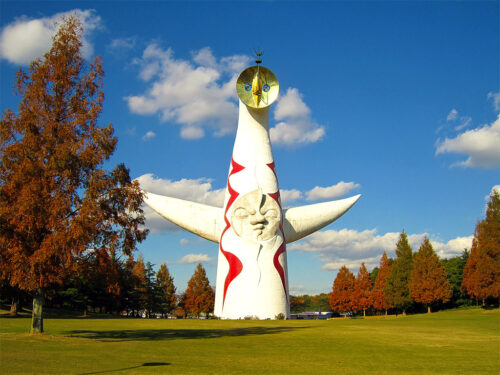
Aoyama’s Loudest Quiet House: Why Taro Okamoto’s Atelier Refuses to Behave Like a Museum
As Tokyo reaches a peak of architectural perfection in 2026, we find ourselves craving the "imperfections" of nature. Take a journey from the smart benches of Takanawa Gateway City to the warm, handcrafted chairs of Hokkaido. It’s time to stop sitting on "concepts" and start sitting on soul. -
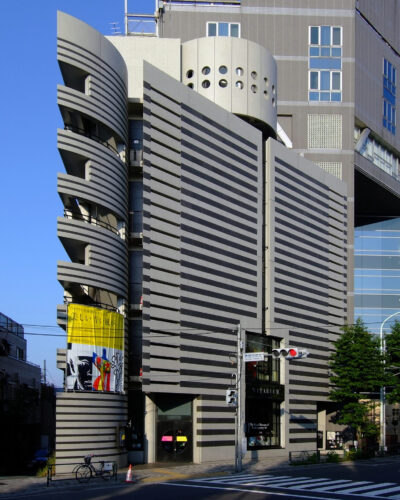
Watarium Museum Tokyo: The Striped Gem of Aoyama You’ve Been Walking Past
As Tokyo reaches a peak of architectural perfection in 2026, we find ourselves craving the "imperfections" of nature. Take a journey from the smart benches of Takanawa Gateway City to the warm, handcrafted chairs of Hokkaido. It’s time to stop sitting on "concepts" and start sitting on soul. -
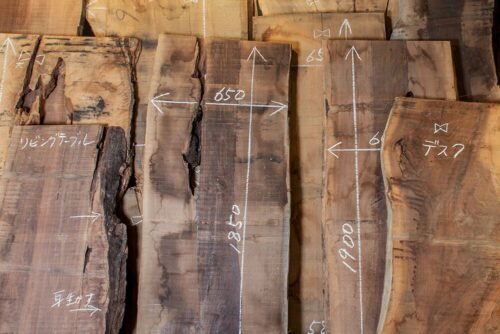
Daikanyama’s White Fortress: Why Hillside Terrace is Tokyo’s Ultimate Lesson in Timeless Design
As Tokyo reaches a peak of architectural perfection in 2026, we find ourselves craving the "imperfections" of nature. Take a journey from the smart benches of Takanawa Gateway City to the warm, handcrafted chairs of Hokkaido. It’s time to stop sitting on "concepts" and start sitting on soul. -
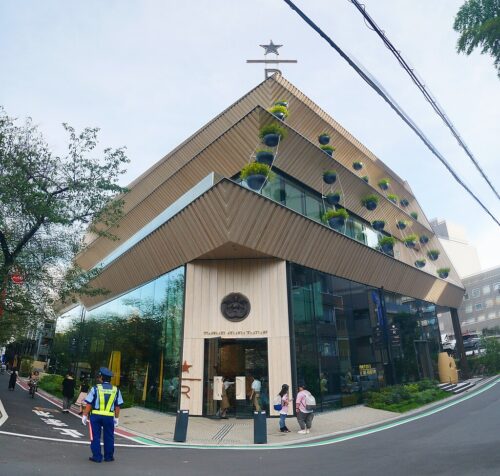
Tokyo’s Copper Fortress: Why Kengo Kuma’s Starbucks Roastery is More Than Just a Caffeine High
As Tokyo reaches a peak of architectural perfection in 2026, we find ourselves craving the "imperfections" of nature. Take a journey from the smart benches of Takanawa Gateway City to the warm, handcrafted chairs of Hokkaido. It’s time to stop sitting on "concepts" and start sitting on soul. -
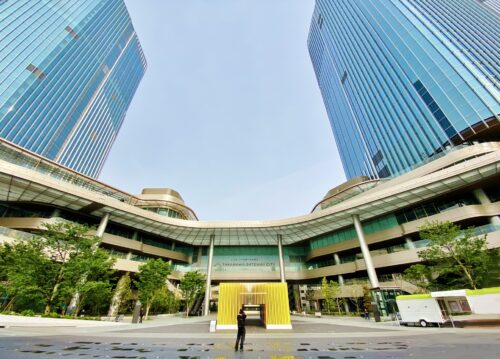
The Soul of Wood vs. Tokyo’s Glass Future
As Tokyo reaches a peak of architectural perfection in 2026, we find ourselves craving the "imperfections" of nature. Take a journey from the smart benches of Takanawa Gateway City to the warm, handcrafted chairs of Hokkaido. It’s time to stop sitting on "concepts" and start sitting on soul. -
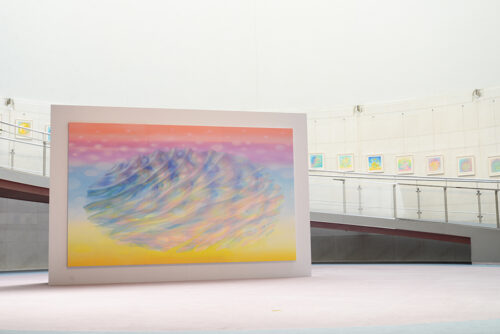
Aoyama’s Spiraling Icon: Why Spiral Still Feels Like the Coolest Kid on the Block
Today, let’s take a gently enthusiastic—occasionally cheeky—stroll through one of Tokyo’s eternal design icons: Spiral, the multi-purpose cultural complex in Omotesandō. Opened in 1985 and turning 40 in 2025, it somehow refuses to age. Y... -
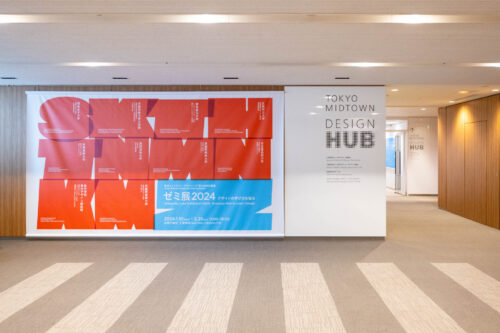
Tokyo Midtown Design Hub – A Gateway to Tokyo’s Creative Pulse
Today, we’re taking you on a casual, slightly cheeky stroll through one of Tokyo’s most inventive design hangouts: Tokyo Midtown Design Hub (TMDH). Imagine stepping into a building that gives a knowing wink to both your left-brain archit... -
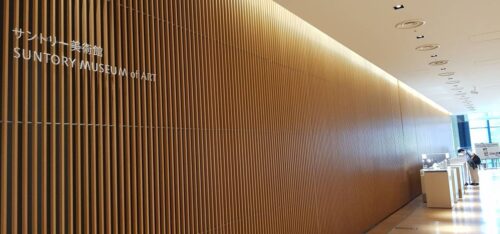
Suntory Museum of Art – Your Urban Oasis in Neon TokyoSuntory
【】 When you hear Suntory, you probably think whisky on the rocks, highball cans from the konbini, or maybe that jingle that somehow gets stuck in your head for days. But plot twist: Suntory also runs a museum. Yep, a museum, and not ju... -
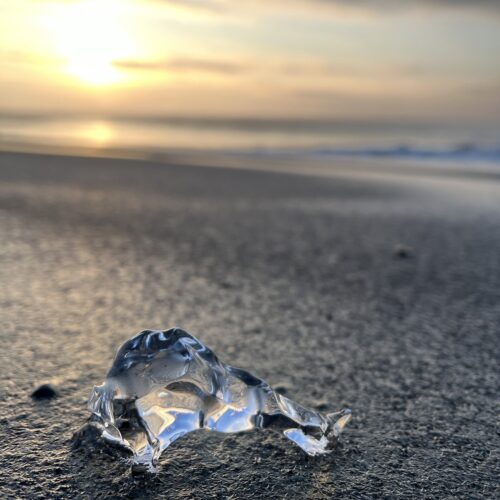
The Power of a Name: How ‘Jewelry Ice’ Turned a Nobodys’ Coast into a Global Destination
The cult of ice: Over 100 people gathered in punishing cold before dawn to see the Jewelry Ice. We explore the power of a name: worthless river ice was renamed 'Jewelry Ice' and became a global phenomenon. Money is a form of appreciation for perceived value. We must find the 'Jewelry Wood' moment for our furniture. -

The $300 Sock Test: Why Mushroom Hunting in Hokkaido Is for the Brave (and the Bored)
Why does Japan's $300 Matsutake mushroom smell like dirty socks overseas? I explore the cultural acclimatization of fungi, the 4,000-year history of risk, and the scientific mystery of poisonous mushrooms. I then take you to Hokkaido, the last mushroom frontier, where unpicked bounty proves the biodiversity and health of our forests—and the quality of our wooden furniture.