
Japanese Culture and Traditions– category –
-

1 Hotel Tokyo: Where Wabi-Sabi Finally Gets a Room With a View
As Tokyo reaches a peak of architectural perfection in 2026, we find ourselves craving the "imperfections" of nature. Take a journey from the smart benches of Takanawa Gateway City to the warm, handcrafted chairs of Hokkaido. It’s time to stop sitting on "concepts" and start sitting on soul. -
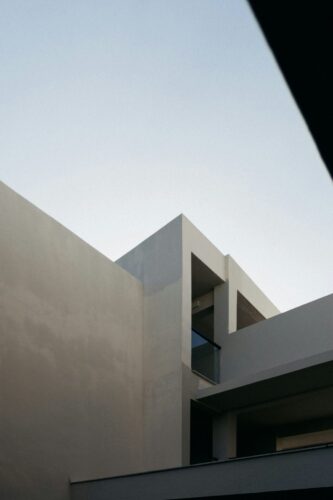
TOTO Gallery MA Tokyo: The Best Free Architecture Space You’ve Never Visited
As Tokyo reaches a peak of architectural perfection in 2026, we find ourselves craving the "imperfections" of nature. Take a journey from the smart benches of Takanawa Gateway City to the warm, handcrafted chairs of Hokkaido. It’s time to stop sitting on "concepts" and start sitting on soul. -
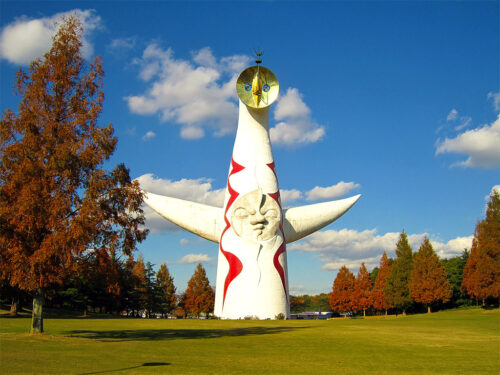
Aoyama’s Loudest Quiet House: Why Taro Okamoto’s Atelier Refuses to Behave Like a Museum
As Tokyo reaches a peak of architectural perfection in 2026, we find ourselves craving the "imperfections" of nature. Take a journey from the smart benches of Takanawa Gateway City to the warm, handcrafted chairs of Hokkaido. It’s time to stop sitting on "concepts" and start sitting on soul. -
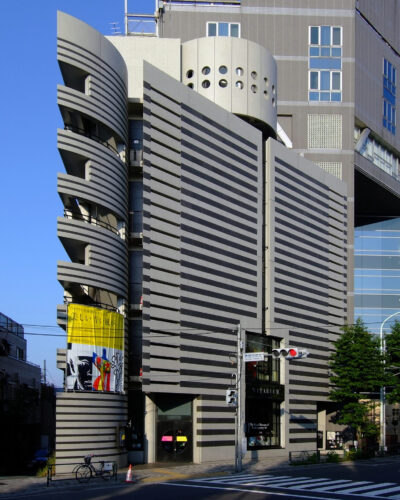
Watarium Museum Tokyo: The Striped Gem of Aoyama You’ve Been Walking Past
As Tokyo reaches a peak of architectural perfection in 2026, we find ourselves craving the "imperfections" of nature. Take a journey from the smart benches of Takanawa Gateway City to the warm, handcrafted chairs of Hokkaido. It’s time to stop sitting on "concepts" and start sitting on soul. -
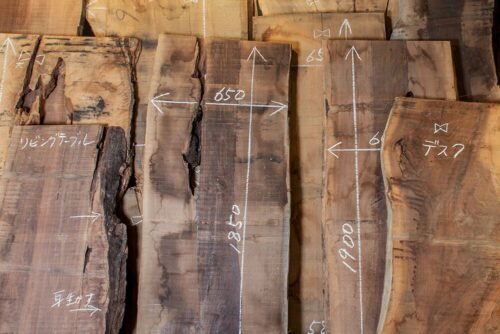
Daikanyama’s White Fortress: Why Hillside Terrace is Tokyo’s Ultimate Lesson in Timeless Design
As Tokyo reaches a peak of architectural perfection in 2026, we find ourselves craving the "imperfections" of nature. Take a journey from the smart benches of Takanawa Gateway City to the warm, handcrafted chairs of Hokkaido. It’s time to stop sitting on "concepts" and start sitting on soul. -
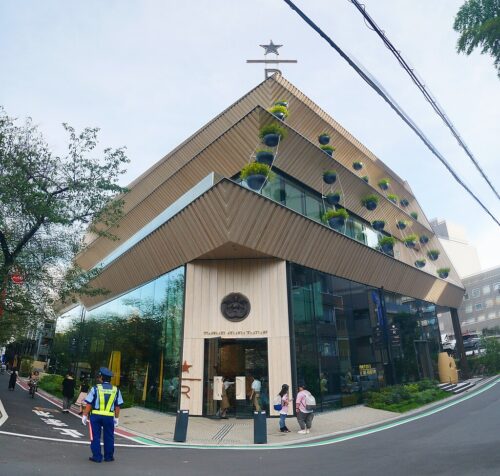
Tokyo’s Copper Fortress: Why Kengo Kuma’s Starbucks Roastery is More Than Just a Caffeine High
As Tokyo reaches a peak of architectural perfection in 2026, we find ourselves craving the "imperfections" of nature. Take a journey from the smart benches of Takanawa Gateway City to the warm, handcrafted chairs of Hokkaido. It’s time to stop sitting on "concepts" and start sitting on soul. -
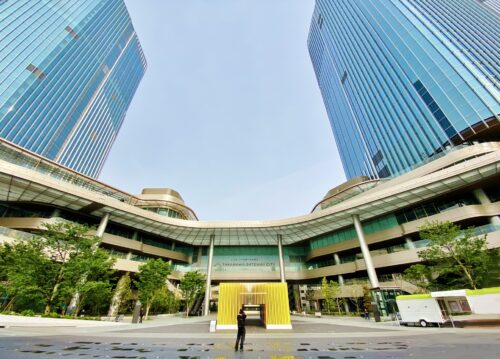
The Soul of Wood vs. Tokyo’s Glass Future
As Tokyo reaches a peak of architectural perfection in 2026, we find ourselves craving the "imperfections" of nature. Take a journey from the smart benches of Takanawa Gateway City to the warm, handcrafted chairs of Hokkaido. It’s time to stop sitting on "concepts" and start sitting on soul. -
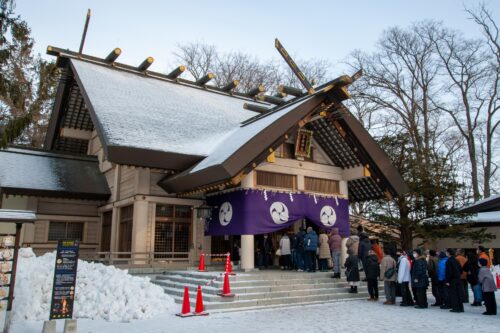
New Year’s Ambition: A 5-Yen Prayer and the Secret Mushroom Shrine
Happy 2026! I’ve just returned to the "nightmare" of reality after the holidays. While most Japanese people are freezing in shrine queues to offer a 3-cent prayer, I’m waiting for the 11:00 AM rice-cake scattering—and for spring to hunt for French delicacies in the shadows of the gods. Join me as I explore the powder snow of Asahikawa and how a failed furniture sales pitch turned into a mushroom deal at a luxury forest lodge. -
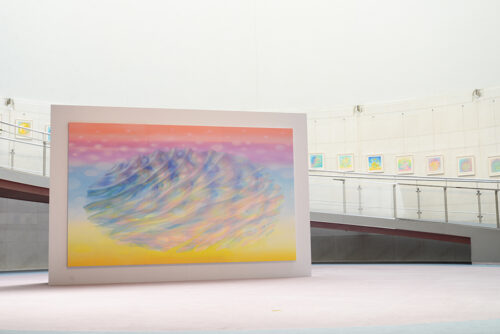
Aoyama’s Spiraling Icon: Why Spiral Still Feels Like the Coolest Kid on the Block
Today, let’s take a gently enthusiastic—occasionally cheeky—stroll through one of Tokyo’s eternal design icons: Spiral, the multi-purpose cultural complex in Omotesandō. Opened in 1985 and turning 40 in 2025, it somehow refuses to age. Y... -
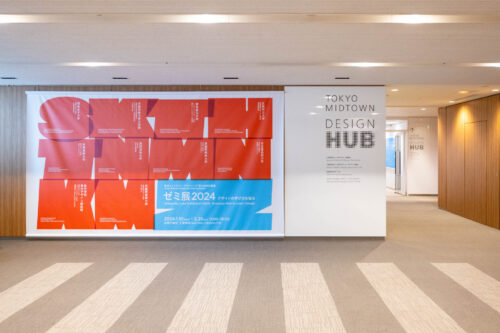
Tokyo Midtown Design Hub – A Gateway to Tokyo’s Creative Pulse
Today, we’re taking you on a casual, slightly cheeky stroll through one of Tokyo’s most inventive design hangouts: Tokyo Midtown Design Hub (TMDH). Imagine stepping into a building that gives a knowing wink to both your left-brain archit...