
movies– tag –
-
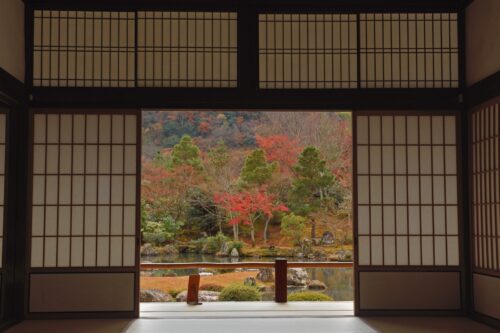
The Illusion of Authenticity: Why Shogun Feels Real to Japanese Viewers (and Why We Love the Dark)
Why does Shōgun feel so "authentic" to us Japanese viewers, even though we've never seen a real samurai? I suspect our common image is a sophisticated fiction created by the entertainment industry. While the language barrier of the 17th century was real (we'd need translators!), the architectural detail is authentic, thanks partly to a Belgian historian advisor. This realism captured the era’s aesthetic: the appreciation of shadow and dimness. The implicit message is that true Japanese beauty is revealed only in the dark. Try it: find the perfect shadow for your furniture and discover the hidden elegance of the samurai era. -
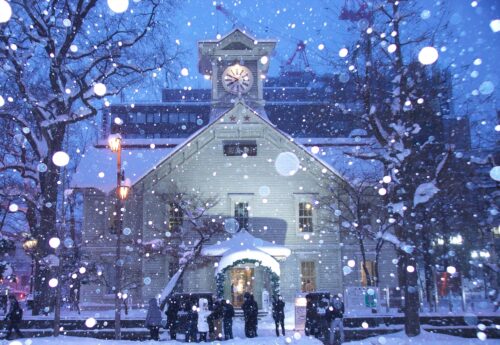
KFC, Cake, and Loneliness: The Bizarre Ways Japan Celebrates a “Culturally Blank” Christmas
Why do Japanese people eat KFC and cake on Christmas? I analyze this "culturally blank" phenomenon, tracing the origins of the traditions from aggressive commercial marketing to intense social pressure to avoid being a "loser." I conclude by inviting readers to Hokkaido to trade the chaos of collective anxiety for the silence and true, natural beauty of a White Christmas. -

The Logic of Lunch: What India’s Dabba and Japan’s Bento Say About Culture
What do India’s Dabba delivery system and Japan’s Bento art tell us about culture? I explore the unseen human greatness of Mumbai’s analog logistics and the miniature artistry of the Japanese lunchbox. This leads to the structural difference of Tiffin tins vs. magewappa (bent wood boxes)—and the surprising fact that the technology that perfected your traditional Bento now perfects our Hokkaido wooden chairs. -
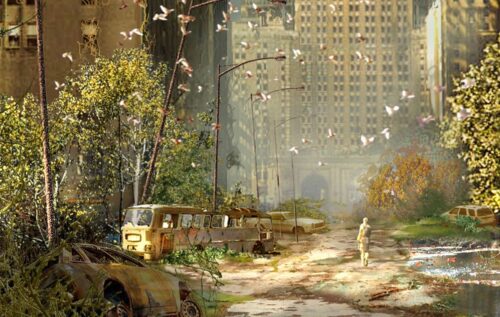
I Am Not Legend: Why I’d Be the First to Go in a Dystopia
Will Smith survived a wasteland, but I’d probably starve in three days. From the terrifying "Rule of Three" to the invisible magic of modern technology, join me as I explore why the fear of a dystopian future is the best reason to visit a furniture factory and see how things are actually made. -
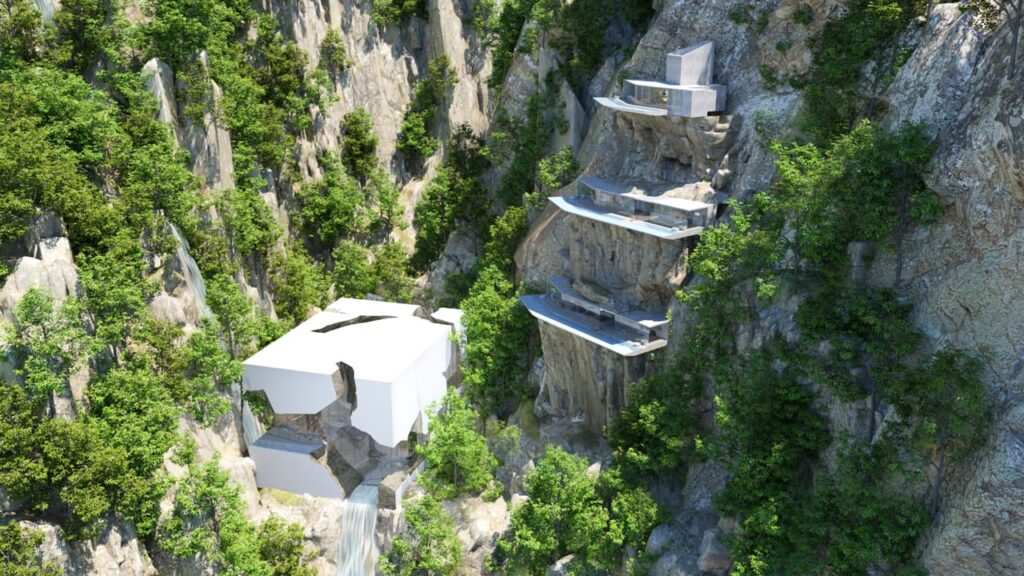
The Fusion of Art and Science: From Pixar’s Curly Hair Logic to Sou Fujimoto’s Hokkaido Rock House
Why was I, a former "movie snob," moved by the Science Behind PIXAR? Because CG animation perfectly fuses art and science. For example, PIXAR engineers added "shock absorbers" to virtual springs to naturally animate Merida's curly hair in Brave. Following this logic, we commissioned world-famous architect Sou Fujimoto to design a virtual Hokkaido Rock House (he said yes, probably because he's my high school senior). His design occupies the perfect, non-reproducible space between pure imagination and cold reality—the future of harmonious living. -

The Richard Gere Effect: Why Japanese Men Are Too Scared to Buy Flowers
Why are Japanese men paralyzed by the idea of buying a simple bouquet? I analyze the Richard Gere Effect: the shame of gifting flowers in a "classless" society. The paralysis is compounded by the Labyrinth of Japanese flower etiquette—from avoiding red to banning potted plants. I conclude by confessing that all this intellectual agony leads to a single point: the humble Begonia we planted in front of our factory. -
Beyond the Frame: What Aliens and Silence Teach Us About Design
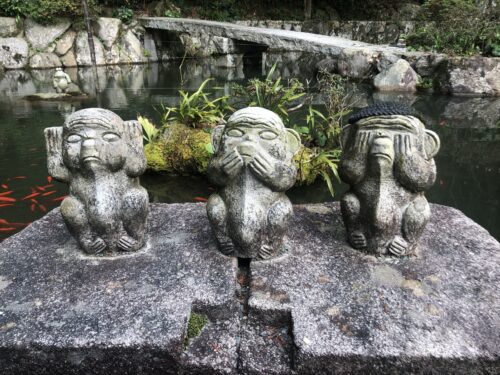
When we look at the stars, we see beauty. When Newton looked, he saw gravity. This article explores the "invisible walls" of our perception—from the genetic limits in Gattaca to the non-linear time in Arrival—and how shifting your cognitive frame can turn "silence" and "emptiness" into powerful design. -
The Kaiju Metaphor: Why Godzilla is a God, Not a Villain (And Why We Must Learn to Surrender)
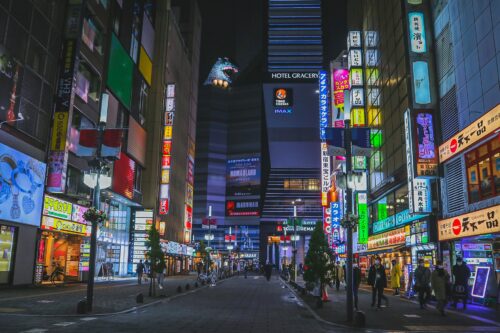
The Kaiju Metaphor: Godzilla is a non-negotiable force of nature that technology cannot defeat. As an ex-military person, I’m frustrated, but we Japanese simply surrender to the inevitable. Embracing a crack in the wood is a small, daily act of submitting to nature, just as the Japanese submit to Godzilla. -

The Stephen King Compass: Why the World is Crying Out for Listeners (Not Talkers)
The horror of the unheard story: Good stories disappear due to a lack of good listeners. I am fundamentally a bad listener. We analyze the profound listener's responsibility. Our craftspeople apply this intense skill to the voice of wood: The durability and beauty of our tables are proof they hear the voices others ignore.
1