
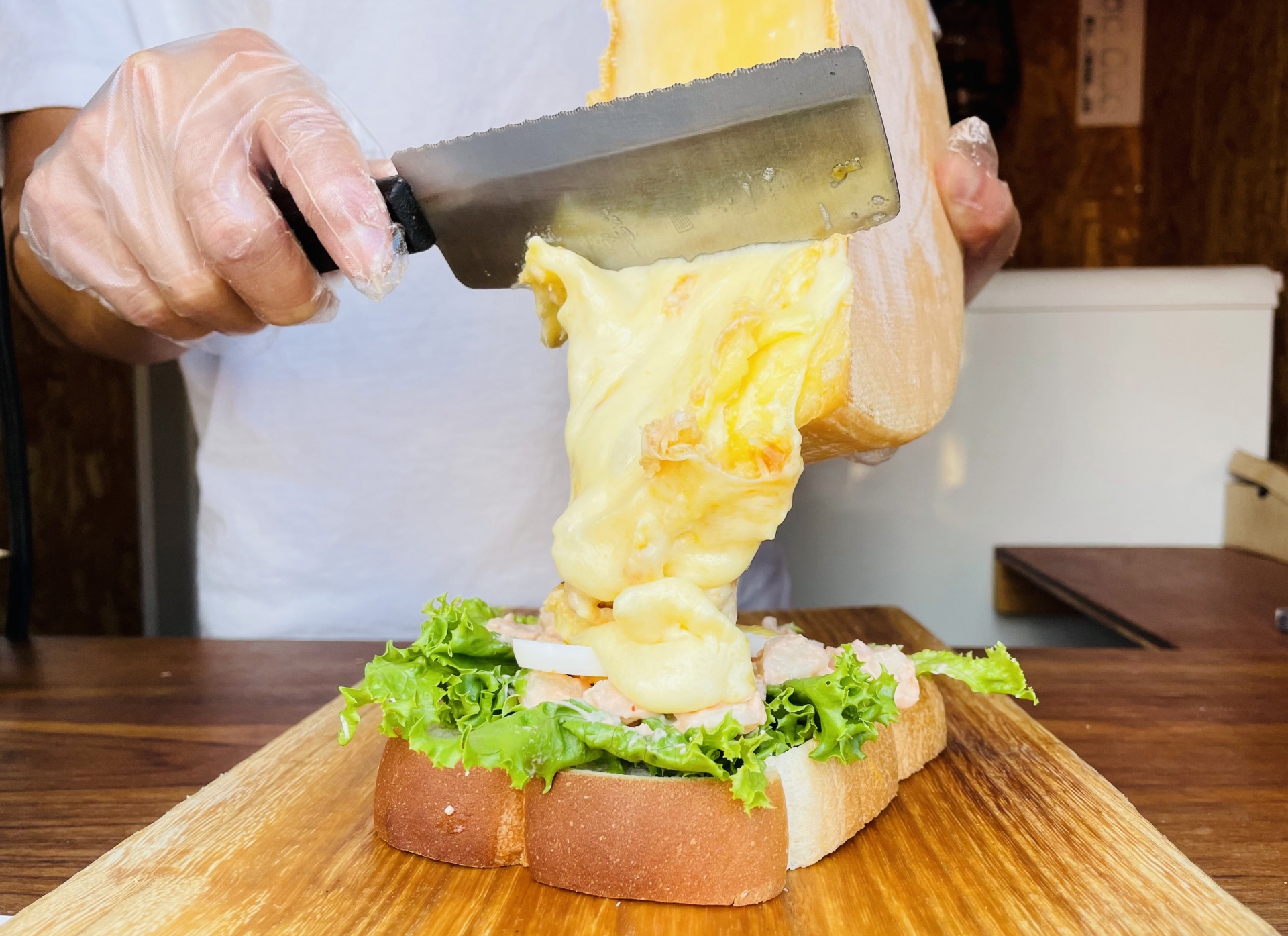
The great breakfast debate: Bread vs. Rice
“How old are you?” “How old do I look?” Humans reached the Moon in 1969, yet we still haven’t moved past answering one pointless question with another. In Japan, we have our own versions of these “eternal” inquiries: “Are you a dog person or a cat person?” and the most critical one of all: “For breakfast, are you a rice person or a bread person?”
I may have sounded a bit harsh earlier about our lack of evolution, but perhaps I was too cynical. According to Mehrabian’s Rule, verbal information only accounts for 7% of human communication. Perhaps these meaningless exchanges, traded with a smile, are exactly the kind of “social lubricant” we need to keep our relationships running smoothly.
While Japan is world-famous for its rice, the reality is shifting. Today, the annual purchase volume of bread and rice in Japan is almost neck-and-neck. And if you’re looking for the heart of this “Bread Revolution,” you must look north to Hokkaido. As the kingdom of both wheat and dairy, Hokkaido provides the premium flour and butter that fuel the nation’s best bakeries.
The “Kayser-ish” performance
If you want to pass as a bread connoisseur in Hokkaido, you need to master a specific performance. Many of our top bakers branched out from the legendary Maison Kayser, founded by the genius Eric Kayser.
To make yourself stand out, do this: Take a tiny, deliberate bite of your croissant. Knit your brows in deep concentration and nod slowly as you chew. Then, with the solemn gravity of someone debating the very origins of the universe, look your companion in the eye and whisper: “Is this… Kayser-ish?” You will instantly be recognized as a person of profound (or at least very dramatic) taste.
The “Galapagos” evolution of Japanese bread
Bread arrived in Japan in 1543 alongside Portuguese firearms. Since then, it has evolved in a way that would probably baffle a European baker. In Japan, we treat bread as a vessel for our own culinary imagination.
The absolute classic is An-pan—a soft bun filled with sweet red bean paste. It is the ultimate fusion of East and West. In fact, many Japanese people grew up believing that bread, by definition, must have something inside it. Discovering a “hollow” baguette for the first time can be quite a shock!
Then, there is the infamous Yakisoba-pan. This is essentially a carb-on-carb crime: fried noodles stuffed into a sliced bun. It defies all nutritional logic and might even offend a French chef, but for a hungry Japanese teenager, it is the nectar of the gods. We Japanese are masters of taking foreign cultures and “individualizing” them into something wonderfully weird.
The Windsor hotel: A tragic glory and a G8 summit
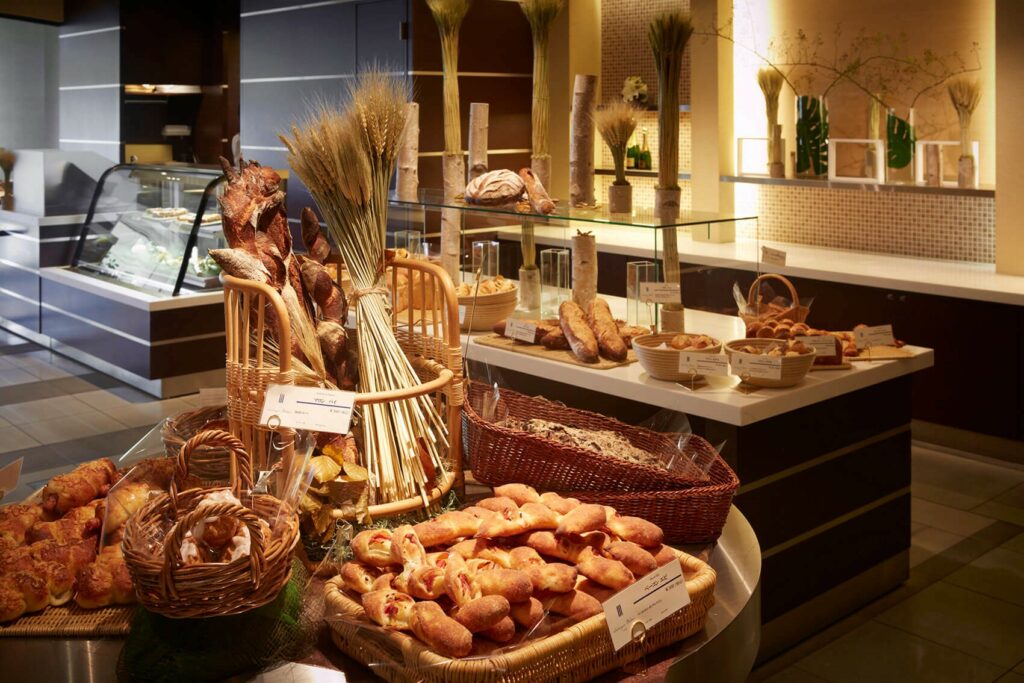
If you want to experience the pinnacle of Hokkaido’s bakery culture, you must visit Boulangerie Windsor in Toya. The hotel itself is “magnificently tragic”—planned during the height of Japan’s “bubble economy” and opened in 1993 just as that bubble burst.
Perched on a mountaintop with a 360-degree view of Lake Toya and Mt. Yotei, its moment of ultimate glory came in 2008 when it hosted the G8 Summit. World leaders assembled there, sitting around a massive table to discuss the future of the planet.
For us at CondeHouse, that table holds a special place in our history—because we were the ones who crafted it. While the table is now kept in a nearby museum, the “Kayser-ish” bread and the remnants of past glory still make the Windsor a must-visit sanctuary.
I confess that I love how we Japanese take a foreign tradition—like bread—and turn it into a carb-on-carb masterpiece that would shock a Parisian. At CondeHouse, we apply this same spirit of ‘individualization’ to our craft. We took the legacy of the G8 Summit table and condensed that same artisan soul into something you can bring into your own home. Our Hatsune Miku Art Chair is the ultimate ‘Hokkaido fusion.’ It’s a masterpiece that respects the international digital icon but grounds her in the premium timber and stubborn craft of the north. It is as bold and satisfying as a perfect croissant—and perhaps just as ‘Kayser-ish’ in its uncompromising quality. Now, here is a portal to a flavor of design you won’t find anywhere else: the image below is your link to the special site. If you prefer the bland, uninspired toast of the ordinary, do NOT click it. But if you’re ready for a piece of furniture with a rich, complex soul, go ahead. Take a bite of the extraordinary. —— The Hatsune Miku Art Chair.
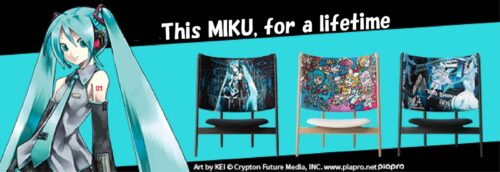
Photo credit: https://www.windsor-hotels.co.jp/ja/blog/toya_bread/
Shungo Ijima
Global Connector | Reformed Bureaucrat | Professional Over-Thinker
After years of navigating the rigid hallways of Japan’s Ministry of Finance and surviving an MBA, he made a life-changing realization: spreadsheets are soulless, and wood has much better stories to tell.
Currently an Executive at CondeHouse, he travels the world decoding the “hidden DNA” of Japanese culture—though, in his travels, he’s becoming increasingly more skilled at decoding how to find the cheapest hotels than actual cultural mysteries.
He has a peculiar talent for finding deep philosophical meaning in things most people ignore as meaningless (and to be fair, they are often actually meaningless). He doesn’t just sell furniture; he’s on a mission to explain Japan to the world, one intellectually over-analyzed observation at a time. He writes for the curious, the skeptical, and anyone who suspects that a chair might actually be a manifesto in disguise.
Follow his journey as he bridges the gap between high-finance logic and the chaotic art of living!