
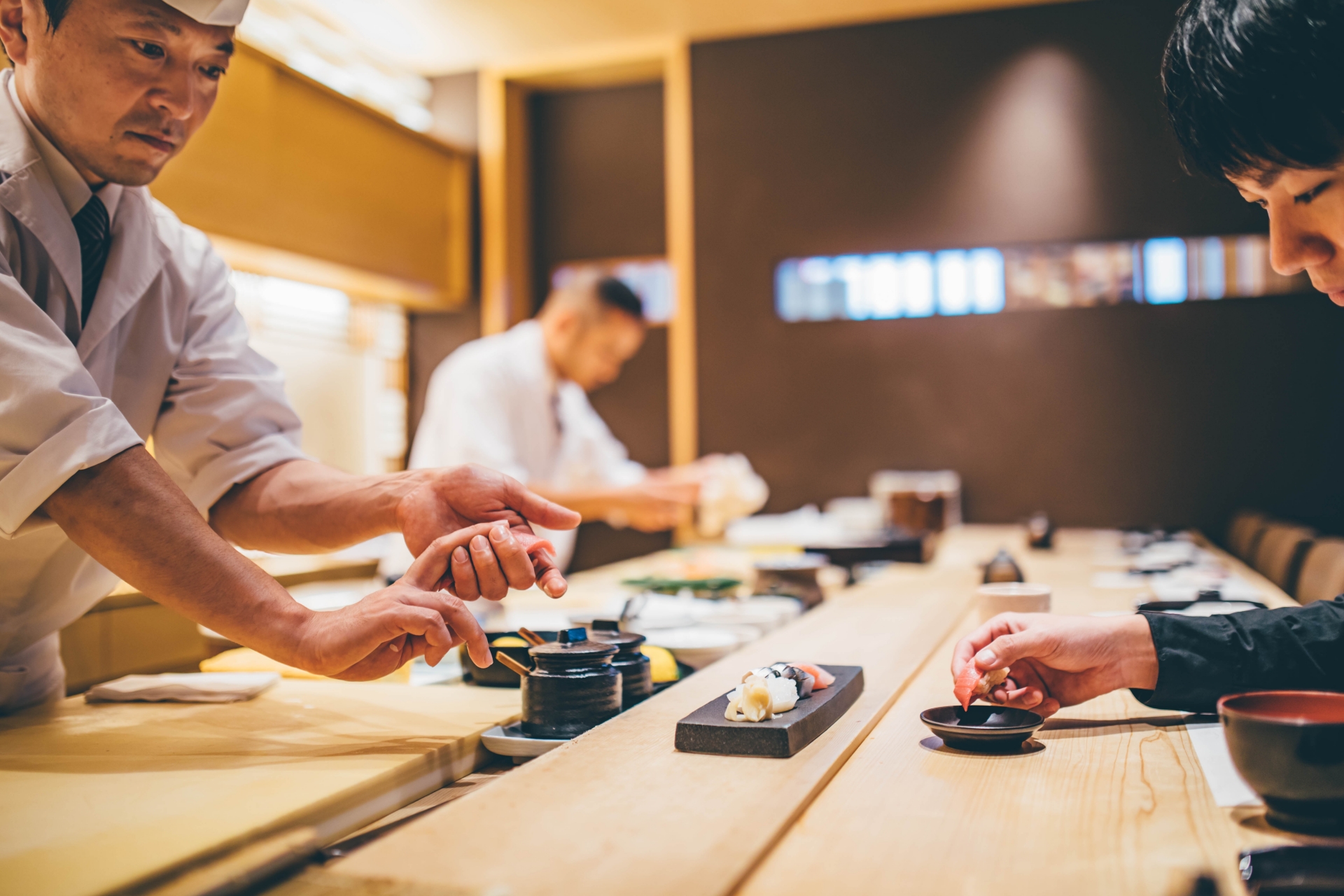
The paradox of progress: The everyday sushi
Sushi and sashimi are iconic Japanese specialty foods, and I believe they are definitely what many overseas visitors look forward to eating. How often do you think Japanese people consume these foods? One recent survey suggests about 60% of us eat sushi at least once a month.
Me? Much less than that, because I honestly don’t like sushi very much. I’d rather splurge on a high-class sushi restaurant once a year than endure a cheap conveyor belt sushi joint once a month. This preference reflects the original identity of sushi: it was historically a special meal for a special day.
I often wonder: Do we truly get happier by improving our standard of living to the point where the sublime becomes routine? Perhaps the greatest price we pay for affluence is the quiet loss of the sublime—that sense of profound, once-a-year wonder.
The great mystery: Why I hate raw fish but love fishing
To be more precise, I genuinely dislike the smell of raw fish, despite being an avid fisherman. Funnily enough, I spend a lot of time waiting for fish to bite while thinking over how to take the fish off the hook without touching it.
This demonstrates how complicated people’s likes and dislikes are—the boundary between them is always obscured. As I’ve written before, we ourselves can’t truly explain our preferences; we can only eventually conclude, “We like it because we like it.” And yet, marketers around the world continue their daily, seemingly futile effort to solve this great mystery.
Recently, I found a scientific article introducing an experiment that reveals how our taste changes at the level of synapses. Have we solved the mystery at last? Not really. We still don’t know what triggers the electrical signals that drive our synapses. For now, I must conclude again that we should try not to obsess over our elusive and bias-ridden personal tastes.
The bountiful sea: The logic of Hokkaido’s fishing grounds
If there is no new scientific discovery and I’m merely restating my personal aversion to raw fish, why am I writing this article today?
Simple: I want to introduce the excellent sushi available right here in my hometown, Asahikawa. Hokkaido is famous for delicious seafood because it is surrounded by the sea. Furthermore, the sea is uniquely bountiful because it features areas where the warm Black Current meets the cold Kurile Current. This collision of currents cultivates vast amounts of plankton, making these collision zones excellent fishing grounds.
The logistical loophole: Why the best sushi is inland
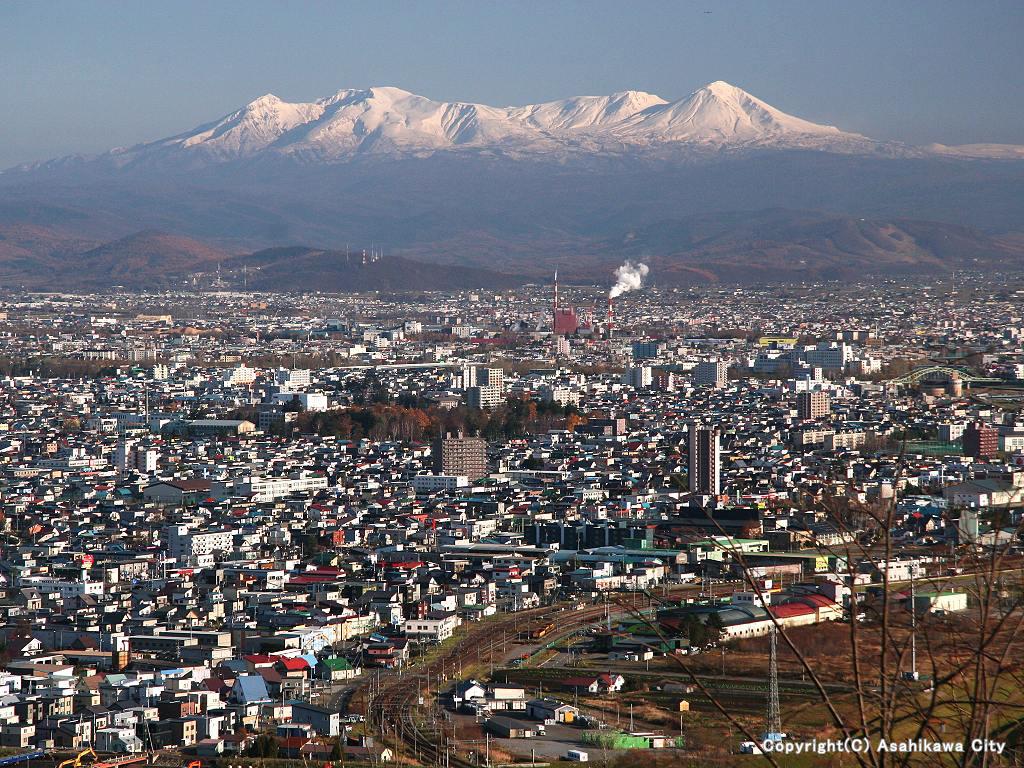
Now, here is the counter-intuitive part. You may think it is natural that Asahikawa has high-quality sushi. But people who know the exact location of Asahikawa are often surprised: the city is located in the very middle of Hokkaido, surrounded by mountains, far away from the sea.
However, the situation is actually very logical. Good seafood—the quality worth the transportation costs—doesn’t just sit on the coast. The best catches are sent to the larger consuming areas, and they gather at the central distribution base of Hokkaido, which happens to be Asahikawa.
The fish are too good to stay by the sea.
So, despite my personal, complex, and scientifically inexplicable dislike of raw fish, I can confidently tell you: If you want to eat truly delicious, high-quality sushi in Japan, please come here to Asahikawa! (I’ll order the cooked egg sushi.)
I confess that I am a man of profound contradictions: I love to fish, but I hate the smell of my catch, and I’ll happily recommend the best sushi in Japan while ordering the cooked egg for myself. My tastes are biased, elusive, and scientifically inexplicable—and I wouldn’t have it any other way. Our Hatsune Miku Art Chair is born from this same mysterious territory of ‘I like it because I like it.’ It defies the standard logic of furniture, much like how the best seafood travels inland to the mountains of Asahikawa. Now, here is a special, non-routine invitation for you: the image below is a link to our special site. If you prefer to stay within the safe, predictable boundaries of ‘normal’ taste, do NOT click it. But if you’re ready to embrace a sublime, once-a-year wonder that defies explanation, go ahead. I’ll bring the egg sushi; you bring the curiosity. —— The Hatsune Miku Art Chair.


Shungo Ijima
Global Connector | Reformed Bureaucrat | Professional Over-Thinker
After years of navigating the rigid hallways of Japan’s Ministry of Finance and surviving an MBA, he made a life-changing realization: spreadsheets are soulless, and wood has much better stories to tell.
Currently an Executive at CondeHouse, he travels the world decoding the “hidden DNA” of Japanese culture—though, in his travels, he’s becoming increasingly more skilled at decoding how to find the cheapest hotels than actual cultural mysteries.
He has a peculiar talent for finding deep philosophical meaning in things most people ignore as meaningless (and to be fair, they are often actually meaningless). He doesn’t just sell furniture; he’s on a mission to explain Japan to the world, one intellectually over-analyzed observation at a time. He writes for the curious, the skeptical, and anyone who suspects that a chair might actually be a manifesto in disguise.
Follow his journey as he bridges the gap between high-finance logic and the chaotic art of living!