
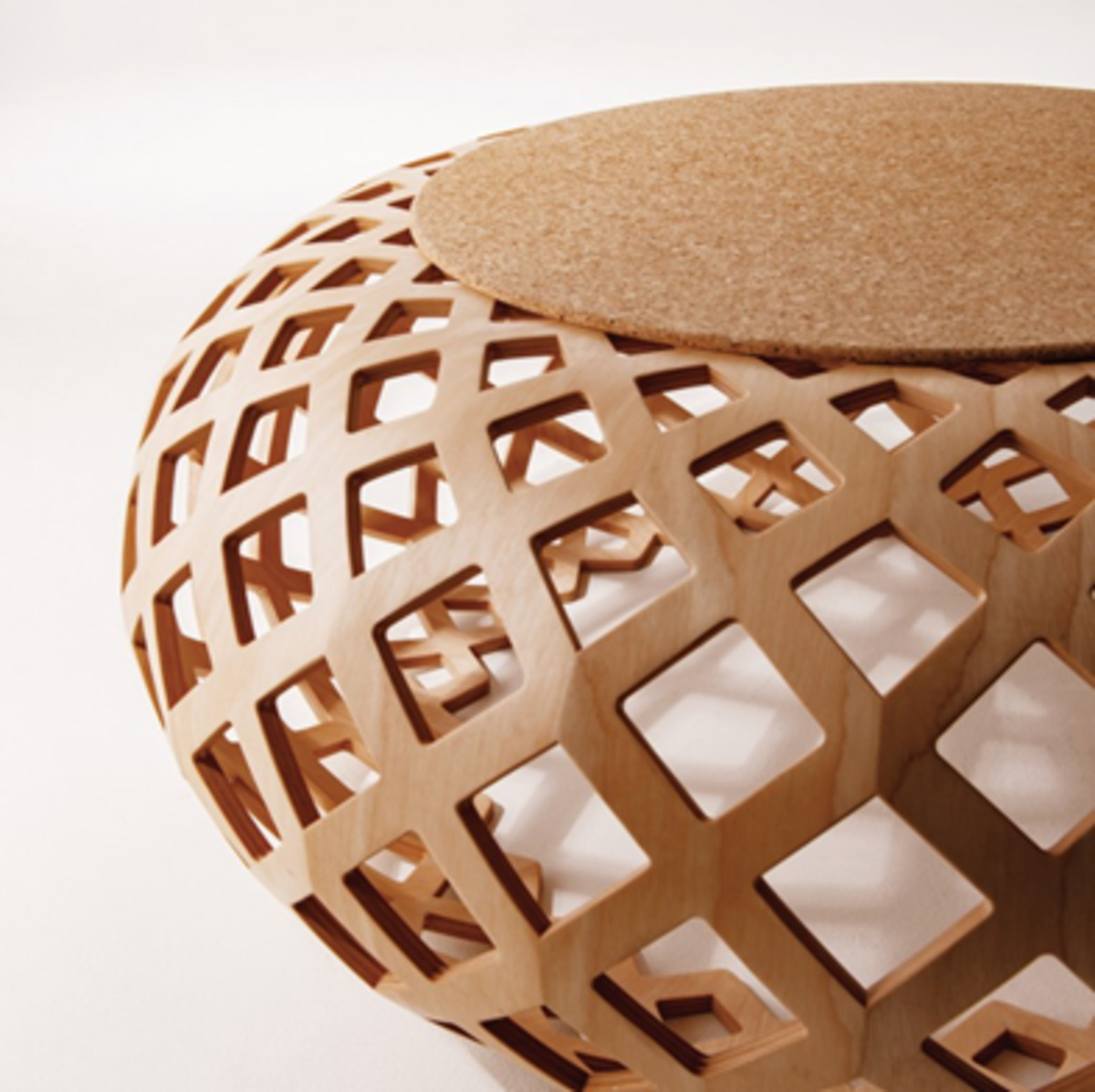
The mystery of “Handmade”: Why we crave human sacrifice
Have you ever seriously considered why we are so obsessed with “handmade” items? In Japan, the Food Labeling Act strictly regulates the word “handmade.” This legal strictness proves that consumers find immense value in those eight letters. But what exactly is that value?
Is it possible that we are all, in some small way, subtle sadists? Do we only feel true luxury when we know someone else has sacrificed their time and effort for us? What is the real price of the “human touch”? To find out, let’s explore a few unsettling contradictions.
Handmade cars vs. Handmade heart pacemakers
Consider the ISUZU 117 Coupe (1968). Designed by Giugiaro, its body panels were so complex that metal-forming technology of the era couldn’t keep up—so they were shaped by hand. Then there’s the Morgan 4/4, with its wooden frame built by hand for over 80 years. In Japan, where perfect asphalt covers the nation and roadside assistance is just a call away, the idea of cruising in a temperamental, handmade classic is pure romance.
However, handmade is not always the gold standard. If I were forced to cross a desolate desert, I would choose the cold, machine-made reliability of a Toyota Land Cruiser every time. Similarly, if I were awaiting surgery for a heart pacemaker and the doctor whispered, “Don’t worry, it’s handmade,” I would be terrified.
When precision and survival are at stake, “handmade” becomes a warning sign. This proves that what we seek in the handmade is not perfection, but something else entirely.
The secret ingredient: Who made the chocolate?
As some of you may know, St. Valentine’s Day in Japan is unique. Globally, lovers exchange gifts. In Japan, February 14th is the day when girls confess their love (often with great anxiety) by gifting chocolates. (It must always be chocolates, though I still don’t know why that is.)
On February 14th, every Japanese schoolboy looks into his shoe locker or desk drawer with a pounding heart, while expertly pretending he doesn’t care at all. From my experience, many boys end up walking home empty-handed, only to receive a “pity chocolate” from their smirking mother—a final blow that utterly shreds one’s teenage self-esteem. Yet, through this repeated “scrap and build” of the soul, Japanese boys grow into resilient adults. It seems our national GDP is built on the ruins of such teenage pride: this ritualistic heartbreak makes February the biggest month for chocolate sales in Japan, often more than doubling the volume of any other month.
In this context, a handmade chocolate is a powerful cultural totem. From someone you love, it’s bliss. But from a total stranger? It’s a horror story. The value lies entirely in the sanity and sincerity of the backstory. We value handmade items because we are buying a narrative of connection. It is a truly human reaction to at least want to know the backstory. We find value in handmade items because we expect or associate the word with a meaningful, human background story—a narrative of effort, attention, and connection.
The furniture story: Precision meets the soul
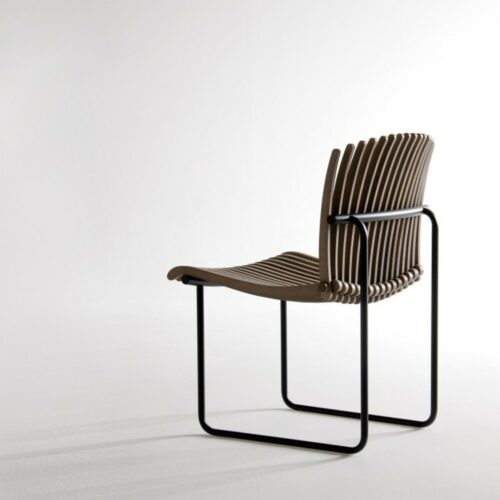
In our wooden furniture manufacturing, we use the latest machines for the initial processes, such as rough cutting. However, handmade processes are absolutely essential to complete our products. It is impossible to achieve a truly beautiful and smooth wooden surface without the human touch.
We believe that the combination of high-tech artificial precision and essential handmade processes creates a better story. I hope this combination will make our products more attractive to you—and certainly not scare you away, like a hypothetical, and frankly terrifying, handmade pacemaker would!
It’s a sobering thought: the same “handmade” effort can lead to a romantic confession or a call to the police, depending on the story behind it. I like to think our craftsmanship falls safely into the “artisan” category rather than the “nightmare pacemaker” category.
To ensure our “sanity” is balanced with ultimate precision, we partnered with a global icon built from pure digital data. The Hatsune Miku Art Chair is the perfect synthesis: the warmth of Hokkaido artisans meets a digital masterpiece. It’s a way to own a premium story that is undeniably beautiful and entirely non-terrifying.
[Click the banner below] to explore the full story of this fusion on our official website. Sit back and enjoy the human touch—without the fear of a misplaced heartbeat.


Shungo Ijima
Global Connector | Reformed Bureaucrat | Professional Over-Thinker
After years of navigating the rigid hallways of Japan’s Ministry of Finance and surviving an MBA, he made a life-changing realization: spreadsheets are soulless, and wood has much better stories to tell.
Currently an Executive at CondeHouse, he travels the world decoding the “hidden DNA” of Japanese culture—though, in his travels, he’s becoming increasingly more skilled at decoding how to find the cheapest hotels than actual cultural mysteries.
He has a peculiar talent for finding deep philosophical meaning in things most people ignore as meaningless (and to be fair, they are often actually meaningless). He doesn’t just sell furniture; he’s on a mission to explain Japan to the world, one intellectually over-analyzed observation at a time. He writes for the curious, the skeptical, and anyone who suspects that a chair might actually be a manifesto in disguise.
Follow his journey as he bridges the gap between high-finance logic and the chaotic art of living!
Comments
List of comments (1)
Temp mail Awesome! Its genuinely remarkable post, I have got much clear idea regarding from this post . Temp mail