
mastercondehousecojp– Author –

-
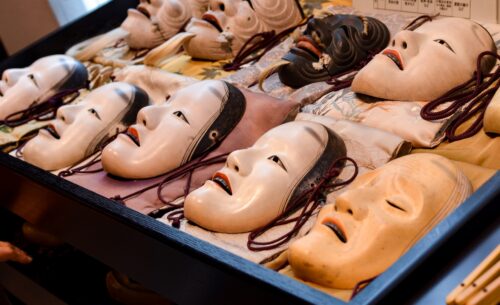
The Physics of Fear: Why Jason’s Hockey Mask and Noh Masks Scare Us With Subtle Asymmetry
Jason’s mask scares us by its absence of expression. Noh masks scare us by their subtle, shifting asymmetry. We dive into the physics of fear to uncover the 600-year-old secret: how slight, intentional, left-right imperfection gives the illusion of life—a profound, subtle complexity forged by the deep Japanese woodworking tradition. The imagination is always the most effective special effect. -
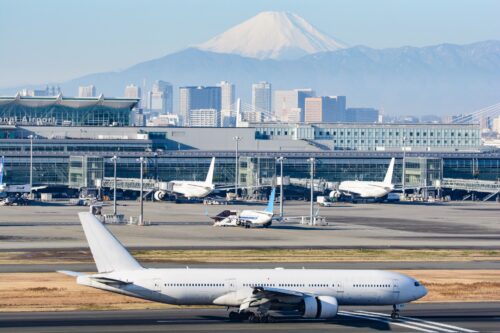
The Smell of Kaizen: What a World-Class Cleaner Taught Japan About Service
What does Japan truly smell like? I explore the rumor of soy sauce and the reality of the World's Cleanest Airport (Haneda). This cleanliness is the legacy of Haruko Niitsu, a charismatic master cleaner who proved that true mastery requires empathy. I pivot to our local pride: Asahikawa Airport's virtually non-existent flight cancellation rate, which requires its own league of unsung masters of snow clearing. Come and witness this Hokkaido spirit—the genuine smell of Kaizen—at our factory. -

Hokkaido adventures: First Experience at the Biei Snow Cycle Festival
【Joining the Winter Cycling Race in Biei Town】 Last weekend, on January 22, I had the opportunity to participate in the Biei Snow Cycle Festival for the first time. The Biei town is known for its picturesque scenery, with rolling hills... -
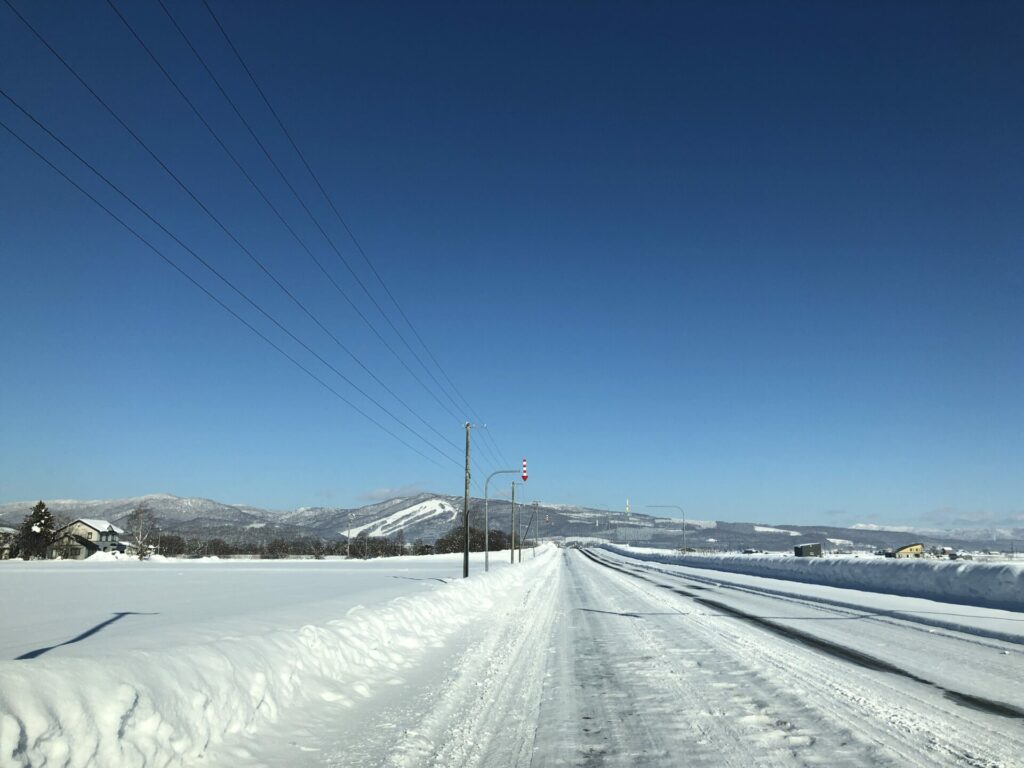
Hokkaido adventures: Exploring the skiing gems of northern Japan #3
【Ski in Pippu: Enjoy the Unbeatable View of Daisetsu Mountain Range】 Pippu's ski area is a hidden gem in northern Hokkaido, that offers skiers and snowboarders a truly unique experience. One of its main draws is the breathtaking views ... -
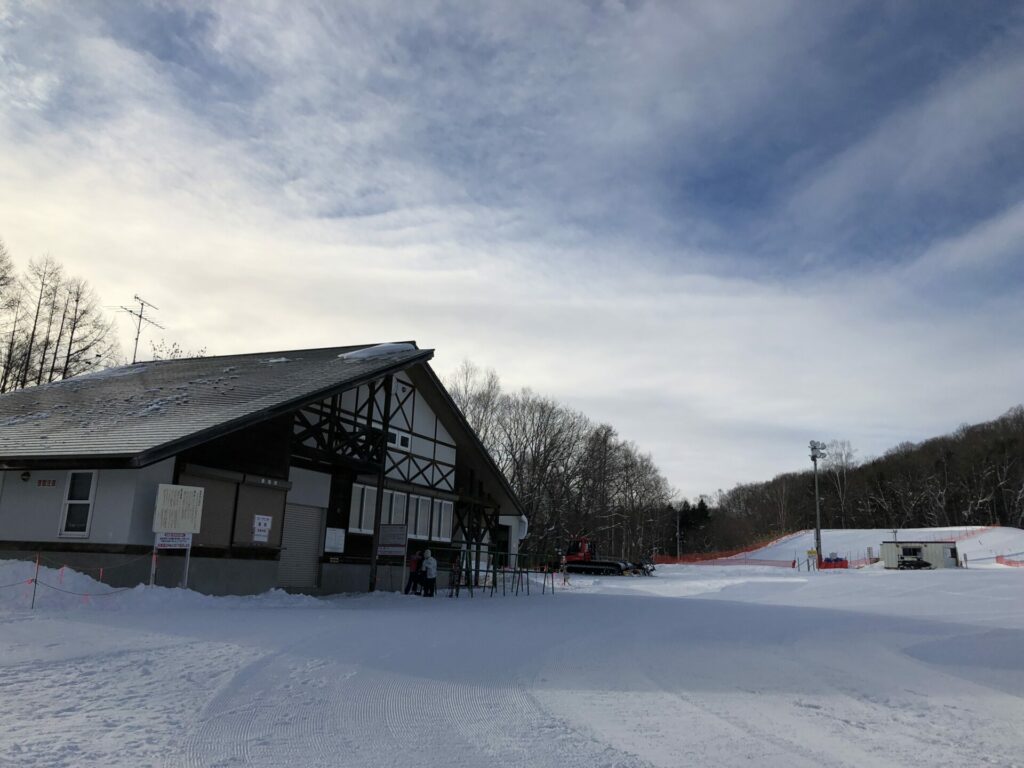
Hokkaido adventures: Exploring the skiing gems of northern Japan #2
【Discover the Simple Pleasures of Skiing at Tohma Town' Tiny Ski Area】 While large ski resorts offer an array of amenities and facilities, sometimes it's nice to take a step back and enjoy the simpler things in life. Tucked away in the... -

Hokkaido adventures: Exploring the skiing gems of northern Japan #1
【Kamui Ski Links: A Biggest Powdery Paradise in Northern Hokkaido】 Kamui Ski Links, located in Fukagawa city in Hokkaido, is a skier's dream come true. With its early December opening, Kamui Ski Links is one of the first ski resorts in... -

Can Fashion and Comfort Really Go Hand in Hand?
This theme would be a critical issue especially for the business suit industry. In Japan, the industry is in danger of extinction. As time passed, office clothing became more and more casual, and less and less people wore a business suit. I think the fundamental reason for the decline would be the fact that business suits are uncomfortable. -
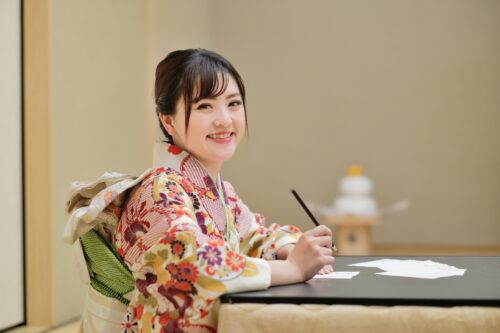
The First Penguin’s Regret: Why I Ditched Japan’s New Year’s Cards (And Why Quick Decisions Are Overrated)
If the risk is that high, I’d rather leave it to the self-appointed weirdos like Elon Musk. I became the first penguin to quit the Japanese New Year's card ritual—a decision I sometimes regret when I see my empty mailbox. Quick decisions are overrated. The value of a product is often measured by the emotional weight of its memory, not just its sales trend. -
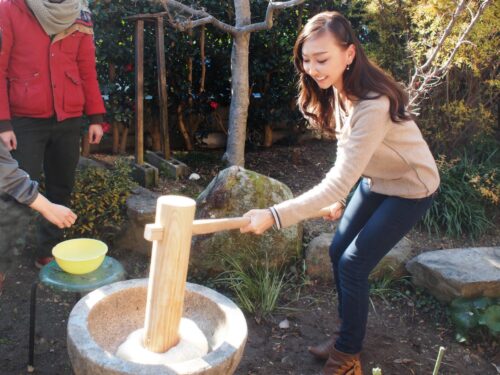
The Deadly Delicacy: Why Mochi is Japan’s Most Dangerous Food (and a Year-End Ritual)
Why is Mochi (rice cake), which causes 40% of all choking deaths in January, not banned in Japan? I suggest even those in power are captives of this deadly delicacy. I explore Mochi-tsuki as a lost year-end ritual requiring immense effort and communal unity. I reveal a non-psychological difference: commercial mochi is often made from flour, unlike the superior fresh-pounded version. Finally, I connect mochi's famous stickiness to traditional craft: rice paste was once the ideal glue for wooden furniture. -
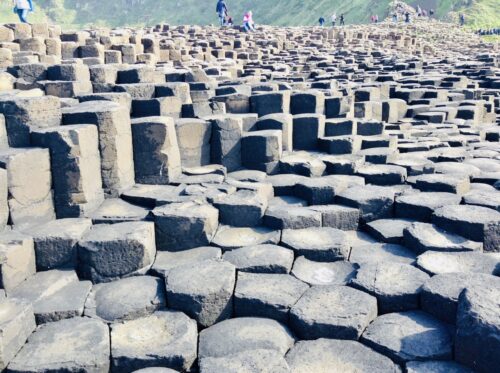
Why Nature Loves Hexagons: The Geometry of Efficiency (And Why I’m Terrified of Emotional Aging)
If you stop being curious, you will emotionally crumble. My blog is my anti-aging strategy, leading me to the genius of the hexagon. Why do bees choose it? It's the contact point theory that proves its work efficiency. Even the Japanese word for snowflakes, Rokka, means "hexagonal flower."