
Japanese Culture and Traditions– category –
-
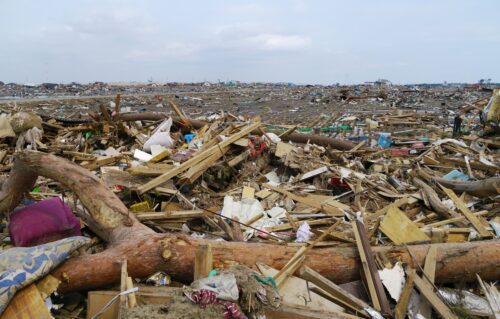
The Swing of the Metronome: Why I Refuse to “Be Realistic”
Inside Japan’s fortress of power, even the elite were powerless against the swing of the metronome. Join me as I recount the collapse of the Ministry of Finance’s paper towers on March 11, 2011, and why that day convinced me that "responsible adults" must reject the easy path of realism and fight for their ideals. -
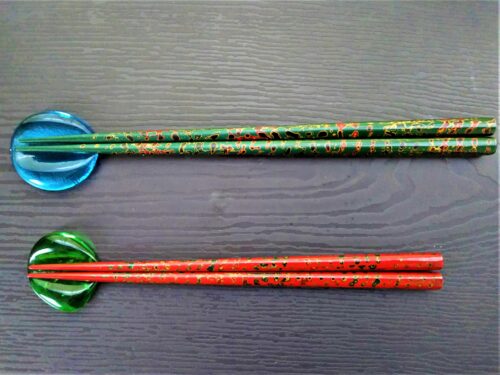
The Invincible Extension of My Fingers: A Love Letter to Japanese Chopsticks
If you eat with a fork, you might be an avant-garde designer finishing a shirt with salad dressing. Explore the humorous world of Japanese "chopstick monogamy," the terrifying social pressure of proper technique, and how a nation's obsession with wooden textures defined the soul of CondeHouse furniture. -
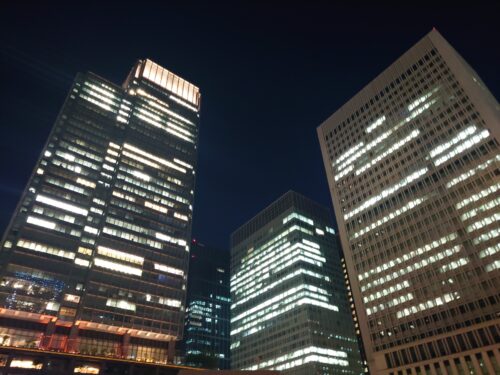
The Abyss of “Karoshi”: Why Japan Can’t Stop Working Itself to Death
Tourists love Japan’s order and politeness, but that beauty has a price. Join me as I reveal the shadow behind the "Japan-Sickness"—from my own 100-hour overtime months at the Ministry of Finance to the evolutionary reasons why island societies struggle with peer pressure. It's time to talk about "Fairtrade" for human labor. -

The Sisyphus of Socks: Is Folding Laundry a Rational Act?
In Hokkaido, a frozen towel becomes a sword, and a drying shirt becomes a humidifier. Join me as I explore the irrational dread of folding socks, the domestic wars sparked by different folding styles, and why the Japanese tradition of "Osoji" is the secret to starting the year with a spark of joy. -

The Machu Picchu Trap: Why You Should Stop Looking for Yourself and Start Digging
If travel truly made you wiser, you'd notice how bored everyone is by your stories. Explore a humorous yet biting critique of the modern "self-discovery" trend and discover why Hokkaido's craftsmen find more truth in wood than others find in Machu Picchu. -
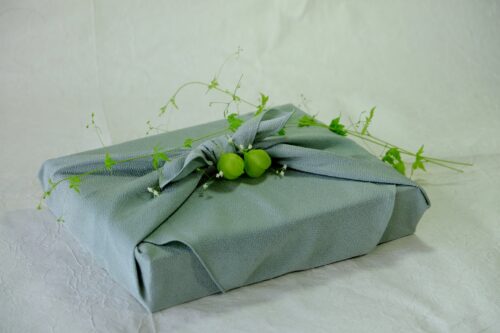
The Hidden Rule of Wrapping: Why Japanese Gifting is Driven by Anxiety (And Why We Don’t Tear Paper)
The hidden rule of wrapping is driven by anxiety: I feel terrible if I force someone to perform instantaneous joy. We joke that Japanese gift packaging is more expensive than the contents. The wrapping is an extension of the giver's dedication; destroying it is impolite. -
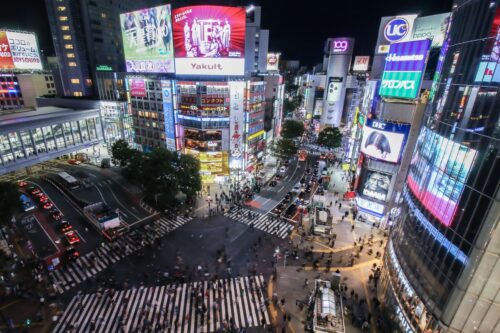
The Art of Adaptation: Why Japan Does Christmas, Worships Wagyu, and Perfects the Chair
If Japanese culture is defined by one word, it’s "adaptation." We celebrate Christmas as a 6.5 billion USD economic event despite only 1% of the population being Christian—we adopted the party, ignored the religion. Similarly, after 1,200 years of banning meat, we rapidly evolved beef culture, tripling the fat percentage in 20 years to create Wagyu. Though the history of the chair in Japan is short, our centuries-old high-skill woodworking tradition has transformed this foreign concept into uniquely refined furniture. We didn't invent the chair, but we perfected the craft that builds it. -
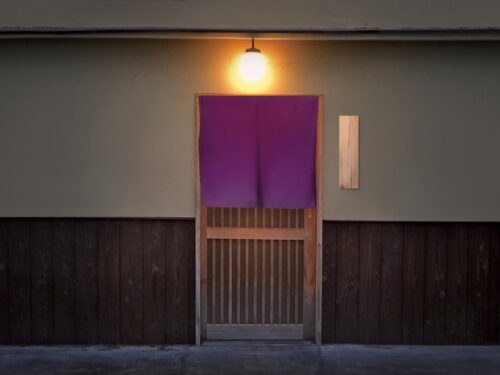
What Makes Japanese Food Culture So Special?
【Respect for nature, the core spirit of Japanese food】 UNESCO listed washoku (Japanese traditional cuisine) as an Intangible Cultural Heritage in 2013. I think many Japanese people seem to misunderstand the key point of the event. They... -
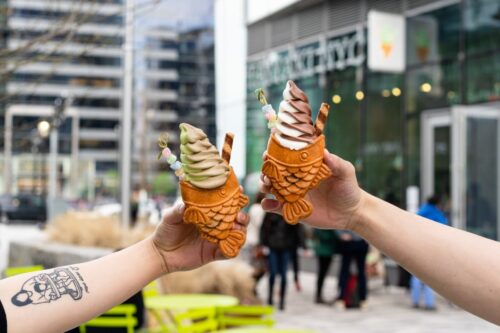
How to Think Outside the Box
【Taiyaki in NYC】 Have you ever seen the above ice cream (in the thumbnail image)? It's Tayiyaki ice cream from TAIYAKI NYC. I've heard it's extremely popular in NY now. When seeing the image, some Japanese people would have mixed feeli... -
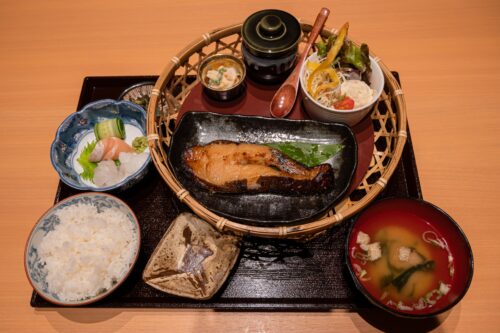
The Secrets of Japanese Food to Enrich Your Daily Meal
【Make life happy without money】 Do you believe money can't buy you love? I may be too old to believe in such a naive world as the Beatles song went. According to Daniel Kahneman, a genius winning a Nobel Prize in 2002, money can buy yo...