
Marketing Tips– category –
-
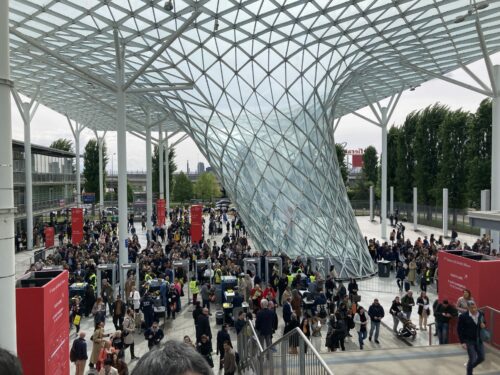
The Queueing Paradox: Why Milano Salone Thrives by Excluding the Masses (The Disney Dreamland Test)
We may queue neatly, but we are internally seething. We analyze the privatization of pleasure using the TDL model (abolishing the free Fast Pass). The secret to Milano Salone's success is simple: its location offers irresistible, non-business entertainment. Entertainment is not supplementary to the trade show; it is the precondition for its success. -

The Levitt Principle: How Removing Barriers and Redefining Purpose Creates Billion-Dollar Hits
I analyze the success of the Convenience Gym, which found a million members by removing every possible barrier to exercise. Then, I examine the hit Men's Parasol, which succeeded by simply redefining the item's purpose. Both confirm Theodore Levitt's Principle: "Sell the hole, not the drill." I apply this to our craft by proposing to engrave family names on dining chairs—shifting the purpose from "comfort" to "making the place where family members return to." (The only downside: it risks making parents terribly sad after the kids fly the nest.) -

The Smell of Kaizen: What a World-Class Cleaner Taught Japan About Service
What does Japan truly smell like? I explore the rumor of soy sauce and the reality of the World's Cleanest Airport (Haneda). This cleanliness is the legacy of Haruko Niitsu, a charismatic master cleaner who proved that true mastery requires empathy. I pivot to our local pride: Asahikawa Airport's virtually non-existent flight cancellation rate, which requires its own league of unsung masters of snow clearing. Come and witness this Hokkaido spirit—the genuine smell of Kaizen—at our factory. -

Can Fashion and Comfort Really Go Hand in Hand?
This theme would be a critical issue especially for the business suit industry. In Japan, the industry is in danger of extinction. As time passed, office clothing became more and more casual, and less and less people wore a business suit. I think the fundamental reason for the decline would be the fact that business suits are uncomfortable. -
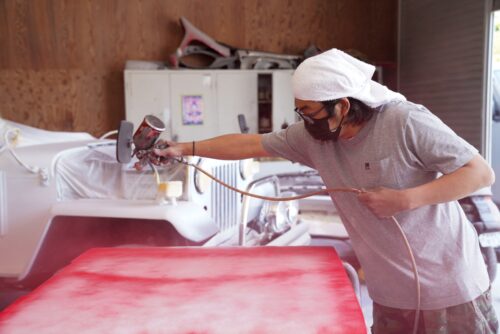
Why We Donate Our Waste Leather
One day, I found an interesting article about a facility to support people with disabilities. The facility staff learned many waste clothes were produced from hemming up pants in UNIQLO, and asked to hand over the waste clothes. Wonderfully enough, UNIQLO kindly agreed. -
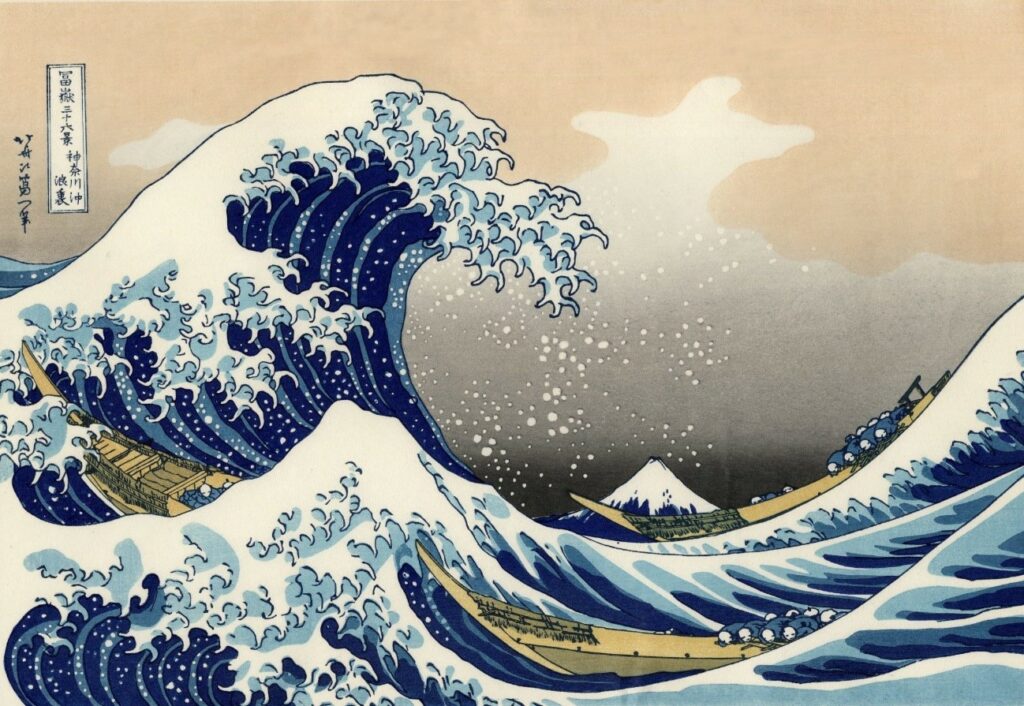
Are NFTs Just Hype or a Real Investment?
Academically, the value of things is composed of three factors: rarity, utility, and timeliness. Let's put aside timeliness here because things get too complex. First of all, diamonds are no longer so useful at least in industrial activities because we can artificially make them. Let's rule out utility. Next, what about rarity? Do you still believe diamonds are rare? -

How to Deal with Methane Emissions from Dairy Cows
Hokkaido is sometimes called the milk kingdom that boasts the largest milk production (about 55% of the total milk production in Japan). Only a short drive takes you to the road where dairy farms spread on both sides anywhere in Hokkaido. Every time I see cows lazily munching, an environmental issue occurs to my mind, which is methane gas produced from cow belching and manure. -
The Honeybee’s Dilemma: Should We Ever Be Rationally “Irritating”?
Logic is for computers; wandering is for humans. Explore the fascinating study of honeybees and how "irrational" flight paths ensure the survival of the swarm. A humorous look at why the author is a "rebellious bee" fighting for sustainability—one un-marketable blog post at a time. -

The Art of Compact Living: Why “Rabbit Hutches” are the Future
Why did Sadako have to crawl out of the TV? Because in a Japanese "rabbit hutch," there's nowhere else to hide! Explore the humor and genius of small-space living, from space-saving bathroom hacks to the philosophy of choosing quality over square footage. -

The Museum of Marketing: What a 19th-Century Portrait Taught Me About “Knotty” Furniture
Want to look intelligent this weekend? Go to a museum. But while you're pretending to be deep, look at the titles. Explore how a 19th-century name change and a bold move by CondeHouse to embrace "imperfect" wood prove that marketing is the art of changing how the world sees value.