
business– tag –
-

Featured Project: Tokyo Stories – Our Designs in Action
【】 Welcome to the 21st century of food, where eating isn’t just about filling your stomach—it’s about saving the planet, questioning the meaning of life, and, most importantly, getting that perfect Instagram shot. Let’s be real: the wo... -
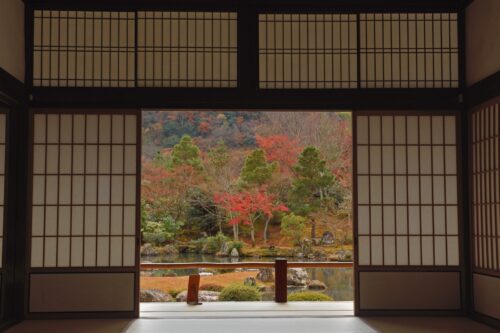
The Illusion of Authenticity: Why Shogun Feels Real to Japanese Viewers (and Why We Love the Dark)
Why does Shōgun feel so "authentic" to us Japanese viewers, even though we've never seen a real samurai? I suspect our common image is a sophisticated fiction created by the entertainment industry. While the language barrier of the 17th century was real (we'd need translators!), the architectural detail is authentic, thanks partly to a Belgian historian advisor. This realism captured the era’s aesthetic: the appreciation of shadow and dimness. The implicit message is that true Japanese beauty is revealed only in the dark. Try it: find the perfect shadow for your furniture and discover the hidden elegance of the samurai era. -

Why Hokkaido’s Winter Wonderland Should Be Your Next Trip
Why do people in one of the coldest places on Earth eat the most ice cream in winter? Explore the fascinating world of Hokkaido's sub-zero life, where airtight architecture and T-shirt-warm indoors turn a harsh winter into a cozy sanctuary. -
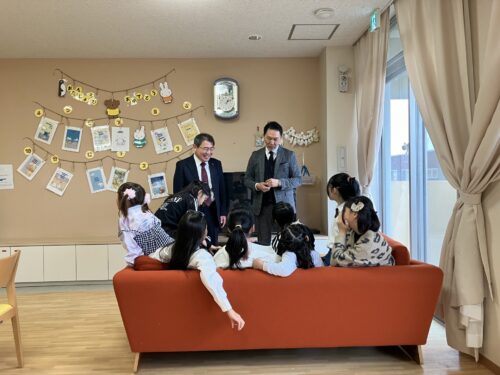
The Red Pill of Charity: Why We Should Embrace Self-Satisfied Giving (The Joy of Unconscious Kindness)
Japan ranked second worst in the World Giving Index. We avoid debate, preferring to read between the lines. We argue that charity is fundamentally for self-satisfaction—and that’s fine! Let’s take the red pill, get out of capitalism, and do something irrationally kind. It’s the purest form of non-monetary profit. -
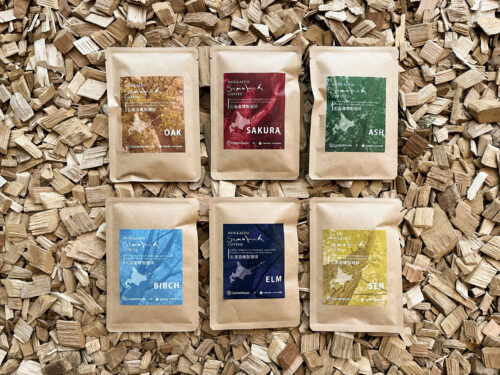
Curiosity Killed the Cat (and Made Us Eat Blowfish): Introducing Hokkaido Smoked Coffee
Why did our ancestors risk death to eat blowfish? I argue that the answer is not taste, but our insatiable human curiosity. I demonstrate this uncontrollable urge by sharing a behavioral science experiment where students voluntarily chose to receive an electric shock—repeatedly—just to satisfy their curiosity. This inherent human nature leads to our new product: Hokkaido Smoked Coffee, where beans are smoked using the wood chips from our furniture. Don't pretend you aren't curious; you can't help yourself. Risk a small shock of flavor! -
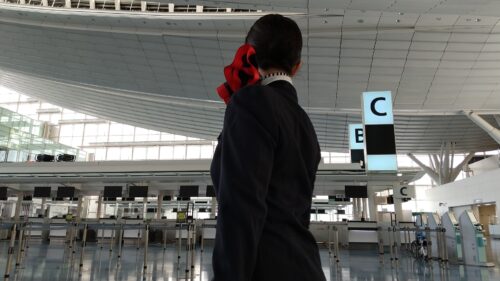
The Disease of Youth: Why the Japanese Uniform Is a Symbol of Rebellion and Belonging
You love the aesthetic of the Japanese seifuku from Sailor Moon. But what is the reality? Youth is a disease from which, I hope, I have recovered. We explore the Uniform Paradox: Japanese teenagers rebel against school rules but never the uniform itself—a profound ambivalence that defines our culture. -
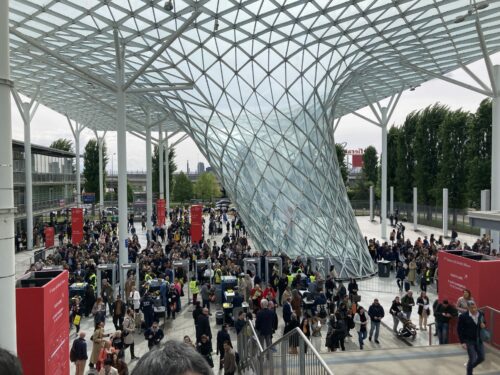
The Queueing Paradox: Why Milano Salone Thrives by Excluding the Masses (The Disney Dreamland Test)
We may queue neatly, but we are internally seething. We analyze the privatization of pleasure using the TDL model (abolishing the free Fast Pass). The secret to Milano Salone's success is simple: its location offers irresistible, non-business entertainment. Entertainment is not supplementary to the trade show; it is the precondition for its success. -

The Howard Hughes Dilemma: Why We Commute Two Hours to Work in Stylish Offices
What is the meaning of work? I begin by contemplating the Howard Hughes Dilemma—the tragic loneliness of a titan who isolated himself from his work. This contrasts sharply with the Stylish Paradox of Tokyo's furniture makers: beautiful, showcase offices paired with full remote work. I ask why workers commute two hours a day to the office, concluding that the underlying drive is a profound mystery of human connection. Our upcoming office renovation is a trial to prove that the opposite of Howard Hughes is a good chair and a friendly colleague. -

The $2 Billion Pocket Problem: How Design Thinking Turned Leftover Coins into an Experience
I trace the origin of Japan's Galápagos Syndrome to a chocolate snack craze from my childhood, fueled by the hit-or-miss system for rare hologram stickers. This mentality evolved into Gacha (capsule toys). I analyze the genius marketing move that transformed this local craze into a global success: installing machines at airports to solve the universal problem of leftover JPY coins. This is the power of design—solving a logistics headache with empathy and turning a local habit into a global solution. -

The Smell of Kaizen: What a World-Class Cleaner Taught Japan About Service
What does Japan truly smell like? I explore the rumor of soy sauce and the reality of the World's Cleanest Airport (Haneda). This cleanliness is the legacy of Haruko Niitsu, a charismatic master cleaner who proved that true mastery requires empathy. I pivot to our local pride: Asahikawa Airport's virtually non-existent flight cancellation rate, which requires its own league of unsung masters of snow clearing. Come and witness this Hokkaido spirit—the genuine smell of Kaizen—at our factory.