
japan– tag –
-

Can Little Lies Be Good for Us?
【A world without lies】 How many lies did you tell yesterday? It is said that we lie more than 200 times a day, no worries. "The innovation of lying" is the title of a comedy movie, not new but more than 10 years ago. The movie really w... -

The Uncanny Valley: Why “Almost Human” Creeps Us Out
If Totoro looked like a human, he’d be the star of a horror movie. This article explores the "Uncanny Valley"—the psychological dip where "almost human" becomes "terrifying." Learn why we fear zombies and how organic furniture design avoids the "creepy" factor to create true comfort. -
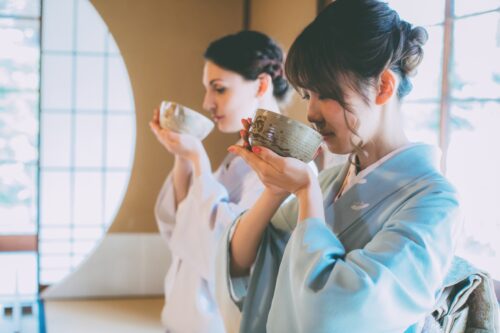
The Zen Paradox: Why an Old Rock is Beautiful (and Why I Can’t Stylize Snacking)
What makes Sadō (tea ceremony) a profound ritual rather than just drinking tea? I argue that the merchant who formalized it was a genius to elevate a simple daily routine. This leads to the Zen Paradox: the spiritual core of mindfulness that balances objective observation (seeing a dirty rock as it is) with imaginative emptiness (seeing a whole garden in a single flower). We hope this Zen spirit will make you see expansive beauty in the simplicity of our furniture. -
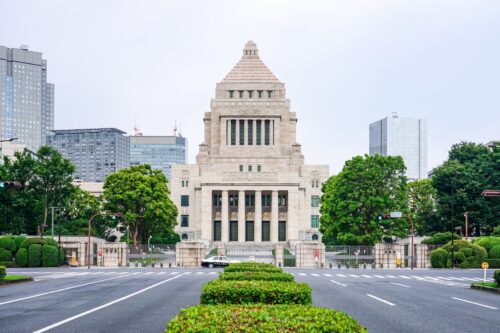
The Backlash Wisdom: Why Ambiguity is the Japanese Architect of Harmony (and the Key to Durable Furniture)
Ambiguity is a necessary evil—a survival mechanism. We explore the theory that Japanese ambiguity is genetic (linked to S-alleles of the serotonin transporter). Discover the Backlash Wisdom: Ambiguity is not a failing, but a necessary cultural cushion—just like the intentional 'play' in a wooden furniture joint that keeps the whole structure from tearing itself apart. -
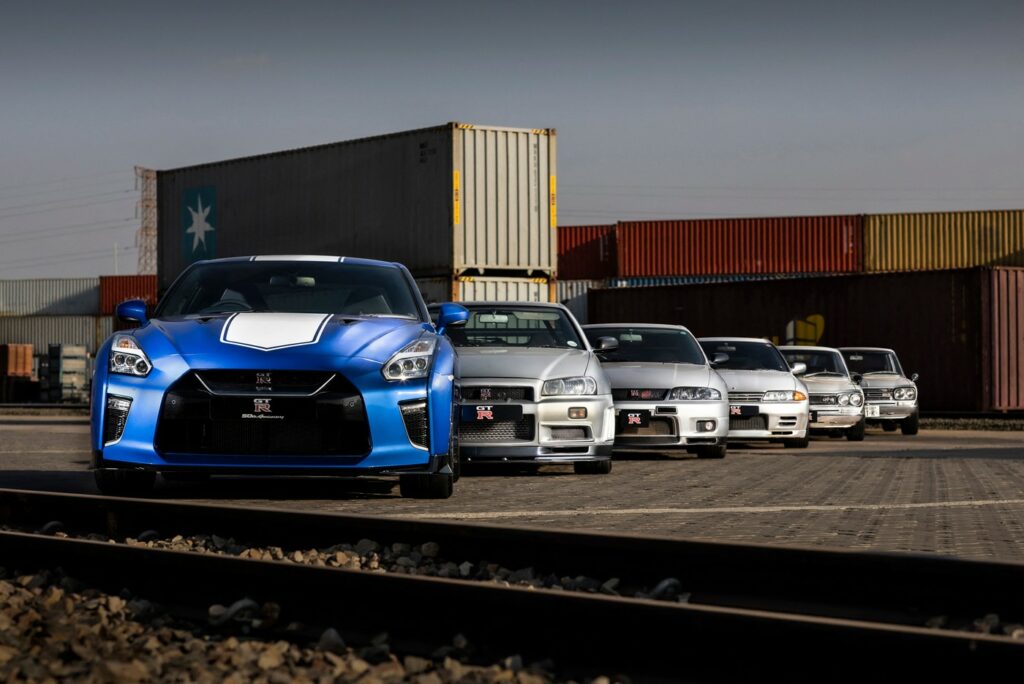
The Death of the “Monster”: Why Efficiency is Killing Our Passion
In the 90s, the only rival for a GT-R was another GT-R. Explore the "American Graffiti" days of Hokkaido's streets and why our past chairman’s defiance of marketing reflects the beautiful, irrational soul of human craftsmanship. -
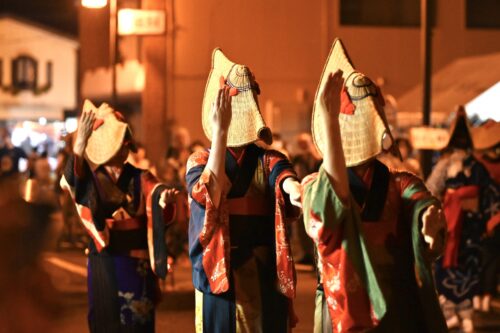
The Sacred Chaos: Why Japanese Summer Festivals Are Essential for Local Relationships (And Our Complicated Faith)
We are a nation that is both deeply pragmatic and quietly spiritual. We have three times more shrines than convenience stores. Natsu Matsuri is essential, not for the gods, but for workplace harmony—and convincing ourselves that summer is finally, truly over. -
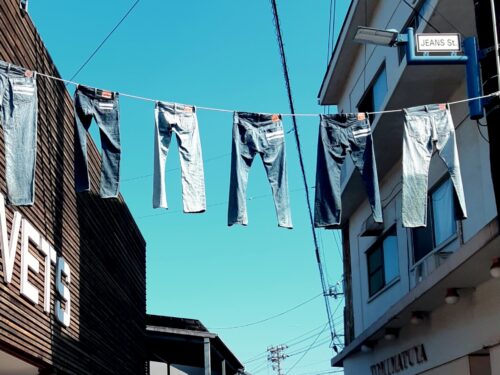
The Deepest Blue: From Samurai Workwear to Furniture Upholstery (The Allure of Japan Blue)
"Japan Blue," the color of the Tokyo Olympics, was named by a British chemist in 1875, who saw the entire nation draped in indigo workwear. Natural indigo is notoriously difficult, requiring delicate adjustment, but it yields unparalleled depth. This commitment to meticulous craft defines Okayama Denim, which is internationally prized despite our small market size. When our Singaporean dealer insisted on a collaboration, we partnered with the top maker, "Japan Blue." Now, you can order our furniture upholstered in their special denim—a synergy of modern design and ancient skill. The best part? This furniture denim is fade-resistant. There's truly no reason not to buy it. -
The Dollar-Store Revolution: Why “Kaizen” Beats Bureaucracy
I’m using my talent for "logical nonsense" to speak up for the invisible 99% of Japanese businesses. Join me as I challenge the government’s elite advisors and prove that a $1 hair dryer holder can teach us more about productivity than any spreadsheet in a Tokyo skyscraper. -
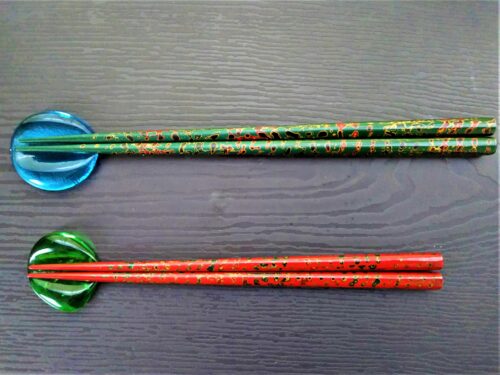
The Invincible Extension of My Fingers: A Love Letter to Japanese Chopsticks
If you eat with a fork, you might be an avant-garde designer finishing a shirt with salad dressing. Explore the humorous world of Japanese "chopstick monogamy," the terrifying social pressure of proper technique, and how a nation's obsession with wooden textures defined the soul of CondeHouse furniture. -
The Abyss of “Karoshi”: Why Japan Can’t Stop Working Itself to Death
Tourists love Japan’s order and politeness, but that beauty has a price. Join me as I reveal the shadow behind the "Japan-Sickness"—from my own 100-hour overtime months at the Ministry of Finance to the evolutionary reasons why island societies struggle with peer pressure. It's time to talk about "Fairtrade" for human labor.