
japanese culture– tag –
-

Giant Tree Hunt in Hokkaido #1
【Giant trees are symbolic of the nature 】 Giant trees are nurtured over a long period of time to be symbolic of the nature or climate of the land. They have been the home of various creatures, the object of people's faith, and the symb... -
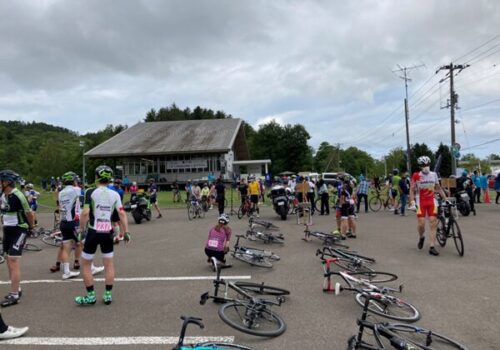
First Road Racing Experience in Niseko, Hokkaido
【What's the Niseko HANAZONO hill climb?】 The 11th running of the Niseko HANAZONO hill climb was held on August 7th. This is a road race time trial to Niseko Annupuri Goshiki Onsen (Niseko Town boundary, elevation 796m). The total lengt... -

Sazae-san Syndrome and Titan-Sized Business: Anime and the Rebirth of Japanese Traditional Crafts
Many adults feel the Sunday night dread—in Japan, the Sazae-san Syndrome—proving animated shows are a universal part of our lives. Global hits like Attack on Titan demonstrate that anime is now a complex, adult medium, forming a market independent of Disney. Smart marketers are leveraging this by realizing high-quality collaborations between anime characters and Japanese traditional crafts. I admire pioneer PREMICO, whose marketer requires directors to read the source manga to build genuine attachment. This synergy—modern emotional appeal breathing life into ancient craft—is the key to a vibrant Japanese economy. -
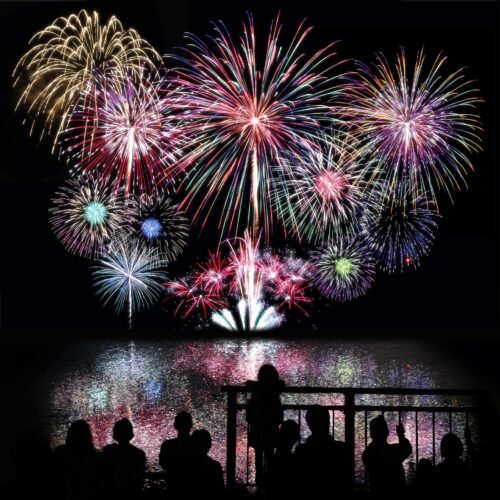
The Shockwave of Summer: Why Japanese Fireworks Festivals Prove We Need Physical Experience
What is the limit of the online experience? We argue it’s the soundwave that hits your internal organs during a Japanese fireworks festival. We explore the 'Sliding Peony' innovation, revealing how fierce skills competitions in pyrotechnics (and woodworking) fuel continuous craftsmanship. -
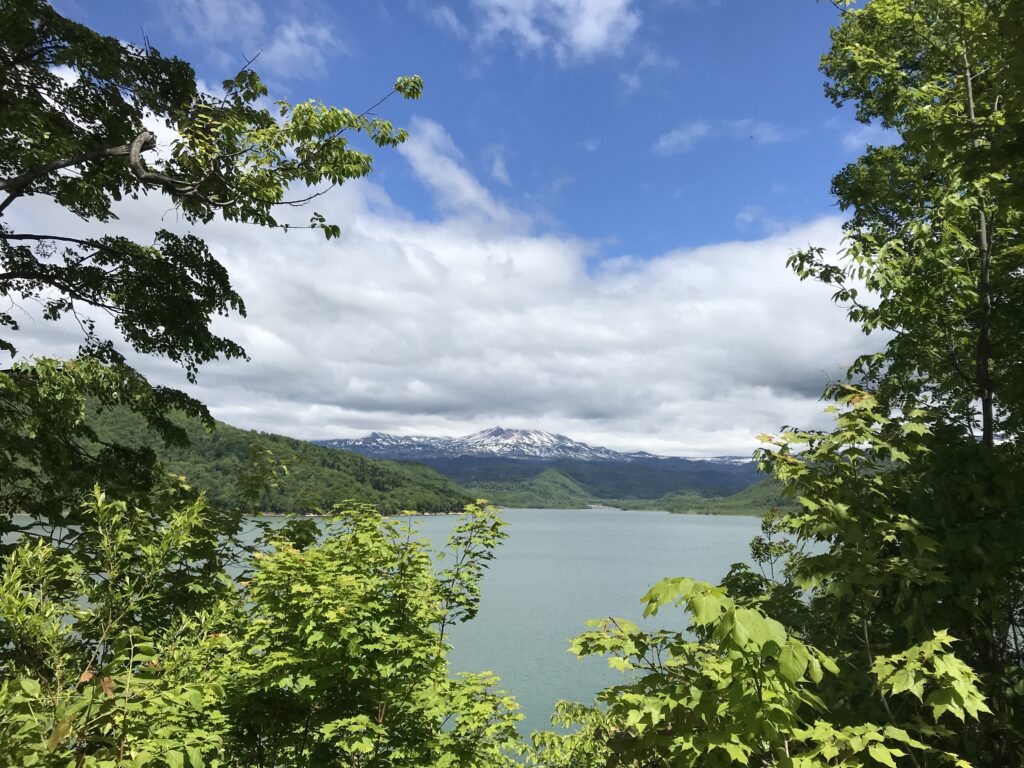
What Kind of Fun in the Playground of the Gods?
【A virtual hotel built on the bedrock of Daisetsuzan】 Recently our company launched a virtual hotel, Hokkaido Rock House designed by Sou Fujimoto. It is built on the bedrock of Daisetsuzan in Hokkaido. I am sure that anyone who was bor... -
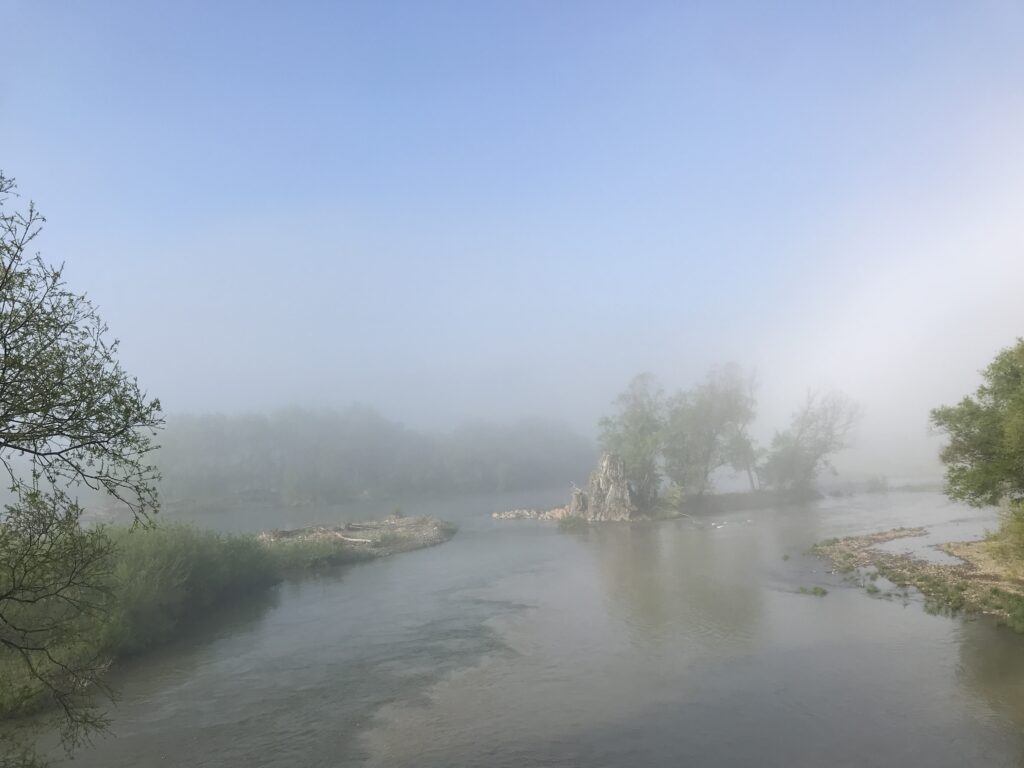
A Little Curious About the Guardian of the River
【Asahikawa is a paradise of rivers】 The bike path along the river is one of the most comfortable road to run in Asahikawa. Most of pedestrian and bike paths laid out on the top of embankments. You can pedal along the river to your hear... -
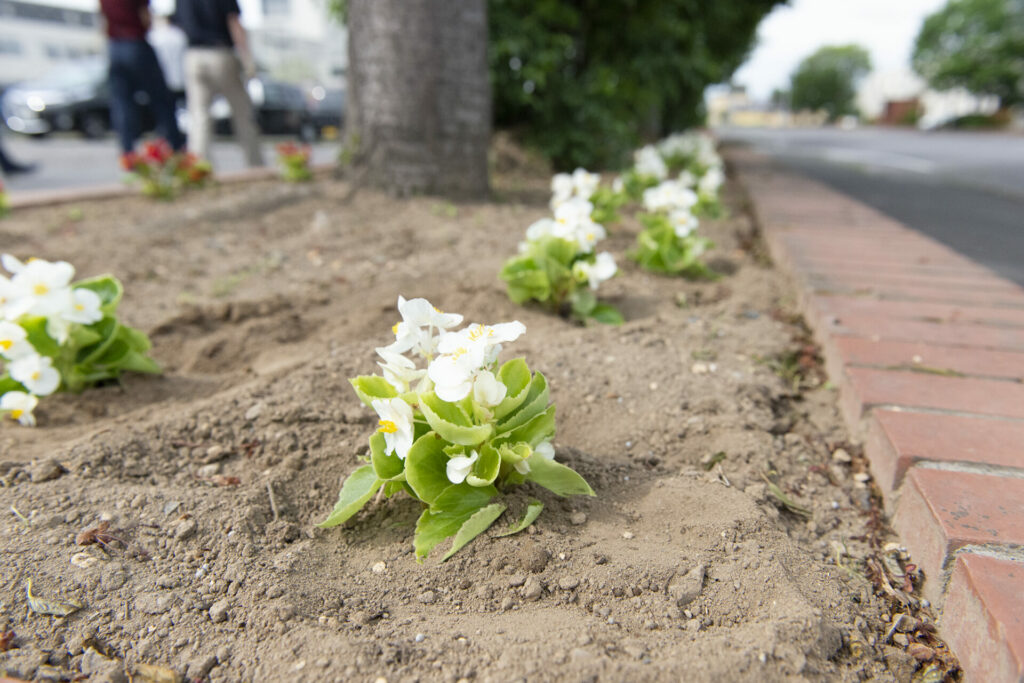
The Richard Gere Effect: Why Japanese Men Are Too Scared to Buy Flowers
Why are Japanese men paralyzed by the idea of buying a simple bouquet? I analyze the Richard Gere Effect: the shame of gifting flowers in a "classless" society. The paralysis is compounded by the Labyrinth of Japanese flower etiquette—from avoiding red to banning potted plants. I conclude by confessing that all this intellectual agony leads to a single point: the humble Begonia we planted in front of our factory. -
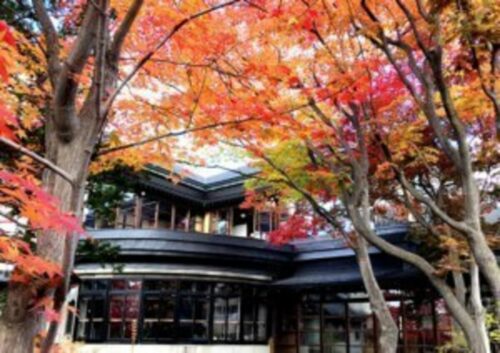
The Paradox of Elegance: Why Soba is First Date Material (and You Should Eat it in Hokkaido)
Why is Soba, a grain historically associated with poverty, considered Japan's most elegant noodle—the ultimate first date material? I explore the Paradox of Elegance and the Pavlovian ritual of Shin-Soba (New Soba) season. I conclude with local pride, recommending OKADA, an exquisite Soba restaurant in our buckwheat heartland of Asahikawa—a Tangible Cultural Property where the historic garden view will enhance your appreciation of the elegant grain. -

The Annual Corporate Baptism: Why Japan’s Entrance Ceremonies Exist (and Why I Hate Public Speaking)
Why does Japan practice synchronized recruitment and the Annual Corporate Baptism (Nyūsha-shiki)? I draw on my own embarrassing experience of attending three entrance ceremonies in three years to explain their function as a critical "attitude adjustment" event. I analyze the ritualistic genius of Toyota's CEO and his engine-revving speech. The analysis leads to my personal crisis: my existential dread over giving a compulsory lecture at the CondeHouse entrance ceremony next week. -
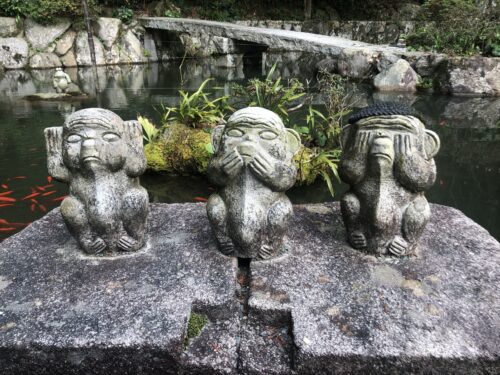
Beyond the Frame: What Aliens and Silence Teach Us About Design
When we look at the stars, we see beauty. When Newton looked, he saw gravity. This article explores the "invisible walls" of our perception—from the genetic limits in Gattaca to the non-linear time in Arrival—and how shifting your cognitive frame can turn "silence" and "emptiness" into powerful design.