
japanese culture– tag –
-

The Noble Secret: What I Learned About Japan’s Hidden Elite from a Toyota Sports Car
Japan abolished its aristocracy, but a hidden noble class persists. A naive Hokkaido boy explores this secret society, mistaking a TOYOTA heiress for a struggling salesperson. I reveal how their true mark is not conspicuous wealth but profound modesty and normality. This leads to the ultimate marketing challenge: how to sell luxury furniture to people who wear their wealth with invisible tags. -

Why Do We Love Wood Rather Than Stone, Bronze, and Iron?
【We Hokkaido people reach enlightenment by clearing snow】 Nothing can stay the same. This is very famous Buddhist terminology, meaning "Life is fleeting and empty." Even on weekend, I always wake up very early and leave home before six... -

The Kaiju Metaphor: Why Godzilla is a God, Not a Villain (And Why We Must Learn to Surrender)
The Kaiju Metaphor: Godzilla is a non-negotiable force of nature that technology cannot defeat. As an ex-military person, I’m frustrated, but we Japanese simply surrender to the inevitable. Embracing a crack in the wood is a small, daily act of submitting to nature, just as the Japanese submit to Godzilla. -
The KFC Lie and the Strawberry Illusion: How Japan Ends the Year
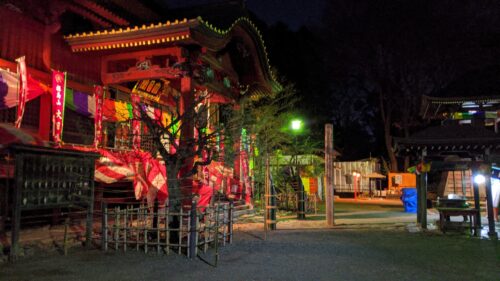
In Japan, Christmas is built on two brilliant marketing lies: fried chicken and strawberry shortcake. But as soon as the feast ends, we pivot to "Oosouji"—the sacred ritual of winter cleaning. Join me as I explore the delightful chaos of Japanese culture skimming, why we scrub floors in the cold, and how cleaning my PC files at CondeHouse became my ultimate end-of-year reflection. -

How to Perform the Strength Test for Chairs
The movement of tilting back chairs just like students do in a classroom is most severe structurally for chairs, and it is highly likely to give heavy damage to chairs. This is the reason why the same movement is adopted in the standard strength test of chairs as shown in the contained movie. Chairs are jerked in the backrest with the weight of 60 kg on the seat. -

How to Make Waiting Times into Fun and Enjoyable Moments
Do you know a photo-sharing app called Dispo? Humans basically dislike being kept waiting, but even such primitive human nature may be changing among the new generation people somehow. -

The Art of Strategic Laziness: How to Survive a Japanese Onsen
In an onsen, everyone is equal because everyone is naked. Explore the fascinating history of how Japanese hot springs served as a sanctuary from social status and the "curse" of productivity. From Samurai "resetting" their souls to the art of the Yukata waddle, discover the ultimate way to spoil yourself. -

The 22-Year Paradox: Why Kyoto’s Ancient Woodwork Still Stands After 1400 Years
Why is Kyoto so popular? It’s the ancient capital and the destination for nearly every Japanese school trip (a beautiful, chaotic spring ritual). But here’s the paradox: Japan’s legal durable life for wooden buildings is only 22 years. This is absurd, considering Hōryū-ji Temple was built 1,400 years ago! The secret lies in ancient wisdom: using nail-less flexibility to withstand earthquakes. This same principle—accommodating wood’s expansion and contraction—is incorporated into our IPPONGI table, making it a piece of history you can use daily. -

The Perfectly Imperfect Ball Pit: Turning Furniture Waste into Eco-Friendly Fun
The ball pit is a classic Japanese childhood memory, especially from the old rooftop department store playgrounds. We created an elevated version using high-quality hardwood waste from our furniture production. Here is the delightful irony: The balls are imperfectly round to cut costs, but this inefficiency created an unexpected secondary effect—the irregular shapes grant the pit significantly higher fluidity, resulting in a superior play experience. While we aim for 100% wood utilization (joining pieces longer than 150 mm), the smallest offcuts remain a challenge. We seek ambitious consumers who see a sophisticated future for our beautiful, durable wooden balls after the kids "leave the nest." -
The Japanese Floor Trap: Why We Can’t Quit the Carpet (And Why Your Sofa is a Decorative Prop)
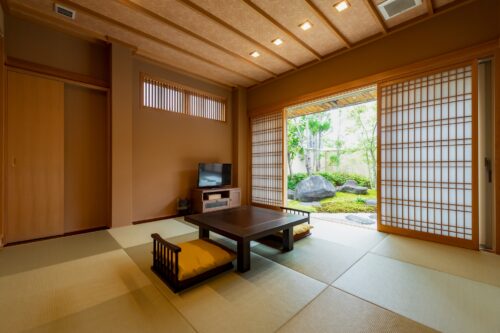
A deep, often humorous analysis of Japan's "floor life" culture. We examine the architectural wisdom of tatami, the ritual of removing shoes, and the political reasons why the most comfortable sofa still can't beat the floor. As a furniture maker, I discuss this cultural paradox and introduce the design philosophy behind our MOLA sofa—a personal hideout designed for true, unrestricted relaxation.