
japanese food– tag –
-
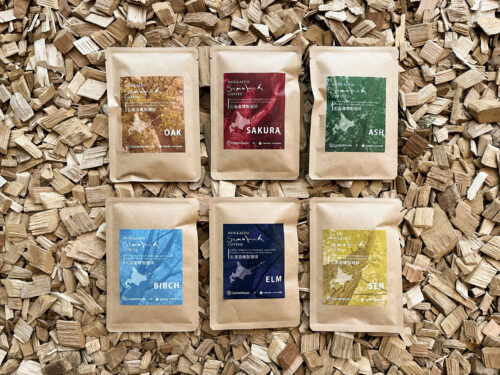
Curiosity Killed the Cat (and Made Us Eat Blowfish): Introducing Hokkaido Smoked Coffee
Why did our ancestors risk death to eat blowfish? I argue that the answer is not taste, but our insatiable human curiosity. I demonstrate this uncontrollable urge by sharing a behavioral science experiment where students voluntarily chose to receive an electric shock—repeatedly—just to satisfy their curiosity. This inherent human nature leads to our new product: Hokkaido Smoked Coffee, where beans are smoked using the wood chips from our furniture. Don't pretend you aren't curious; you can't help yourself. Risk a small shock of flavor! -
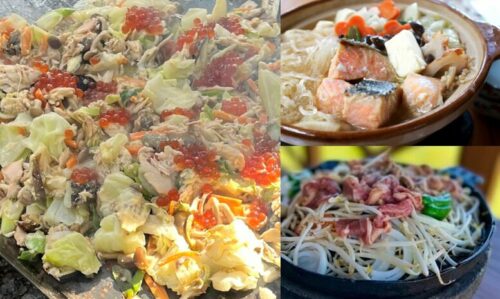
Hidden gems in Hokkaido : Three Must Eat major cuisines in Hokkaido
There are so many hidden gems in Hokkaido. You can see beautiful scenery e.g.; lakes, mountains, forest, sea and so on. I would like to share some gems in Hokkaido. Today, let's talk about "Three Must Eat major cuisines in Hokkaido." 【I... -
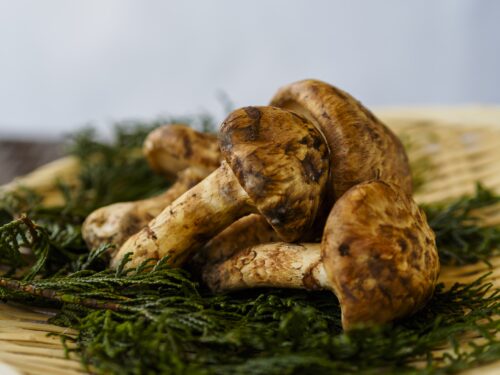
The $300 Sock Test: Why Mushroom Hunting in Hokkaido Is for the Brave (and the Bored)
Why does Japan's $300 Matsutake mushroom smell like dirty socks overseas? I explore the cultural acclimatization of fungi, the 4,000-year history of risk, and the scientific mystery of poisonous mushrooms. I then take you to Hokkaido, the last mushroom frontier, where unpicked bounty proves the biodiversity and health of our forests—and the quality of our wooden furniture. -
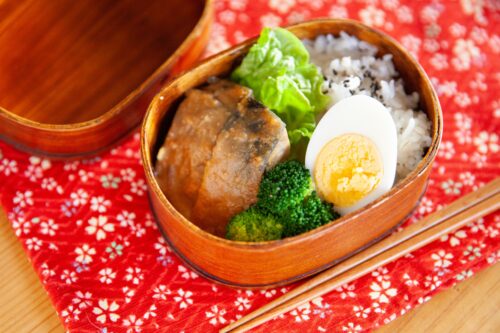
The Logic of Lunch: What India’s Dabba and Japan’s Bento Say About Culture
What do India’s Dabba delivery system and Japan’s Bento art tell us about culture? I explore the unseen human greatness of Mumbai’s analog logistics and the miniature artistry of the Japanese lunchbox. This leads to the structural difference of Tiffin tins vs. magewappa (bent wood boxes)—and the surprising fact that the technology that perfected your traditional Bento now perfects our Hokkaido wooden chairs. -
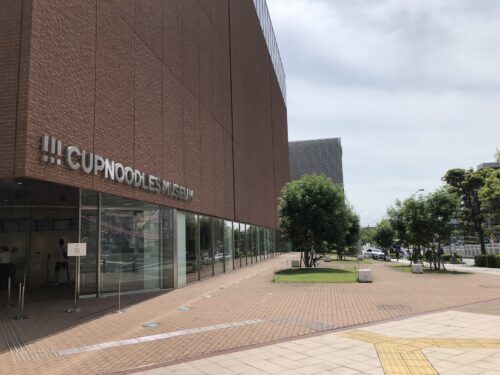
The Kaizen Noodle: What 81 Meals a Year Taught the World About Instant Ramen
How did a post-war necessity become a global staple eaten 81 times a year in Korea? I explore the Japanese invention of instant noodles, tracing Momofuku Ando's five-point philosophy and the continuous innovation (Kaizen) that produced non-fried and raw-type noodles. The article concludes with the utterly anticlimactic truth: I cannot bring specialty instant noodles as a souvenir to our Bangkok staff because global logistics always loses to carry-on baggage limits. -
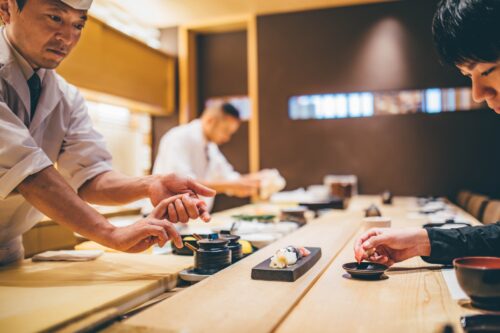
The Sushi Paradox: Why I Hate Raw Fish But Insist You Visit Asahikawa for the Best
Why does a Japanese person who hates the smell of raw fish insist you visit his mountain-surrounded hometown for the best sushi? I explore the Sushi Paradox, noting the scientific mystery of our elusive tastes (I love fishing, but won't touch the catch!). While Hokkaido's seas are bountiful due to colliding currents, the logic is in logistics: Asahikawa, the inland distribution hub, gathers the best fish—the quality too high to stay on the coast. Come to Asahikawa for the best sushi! (I’ll order the cooked egg.) -
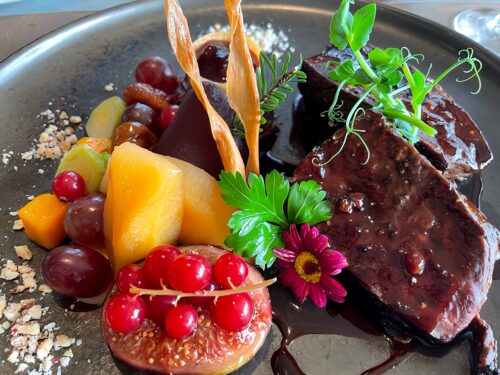
The Unwritten Script in the Snow: Why Hokkaido’s Deer Problem is Your Dinner Ticket
What are the unwritten scripts in the snow? I decode the footprints of deer and foxes in Hokkaido, only to uncover a philosophical problem: The deer population boom is destroying our forests. I admit this fear is purely human ego. This leads to my ultimate, self-serving conclusion: We should solve the ecological problem—and the chicken-or-egg venison dilemma—by dining at one of Hokkaido's many excellent deer meat restaurants. Come and eat some of the problem. -
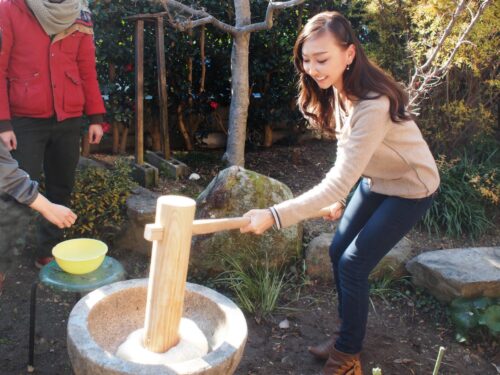
The Deadly Delicacy: Why Mochi is Japan’s Most Dangerous Food (and a Year-End Ritual)
Why is Mochi (rice cake), which causes 40% of all choking deaths in January, not banned in Japan? I suggest even those in power are captives of this deadly delicacy. I explore Mochi-tsuki as a lost year-end ritual requiring immense effort and communal unity. I reveal a non-psychological difference: commercial mochi is often made from flour, unlike the superior fresh-pounded version. Finally, I connect mochi's famous stickiness to traditional craft: rice paste was once the ideal glue for wooden furniture. -
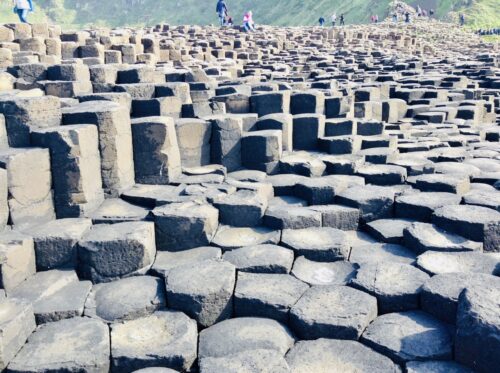
Why Nature Loves Hexagons: The Geometry of Efficiency (And Why I’m Terrified of Emotional Aging)
If you stop being curious, you will emotionally crumble. My blog is my anti-aging strategy, leading me to the genius of the hexagon. Why do bees choose it? It's the contact point theory that proves its work efficiency. Even the Japanese word for snowflakes, Rokka, means "hexagonal flower." -
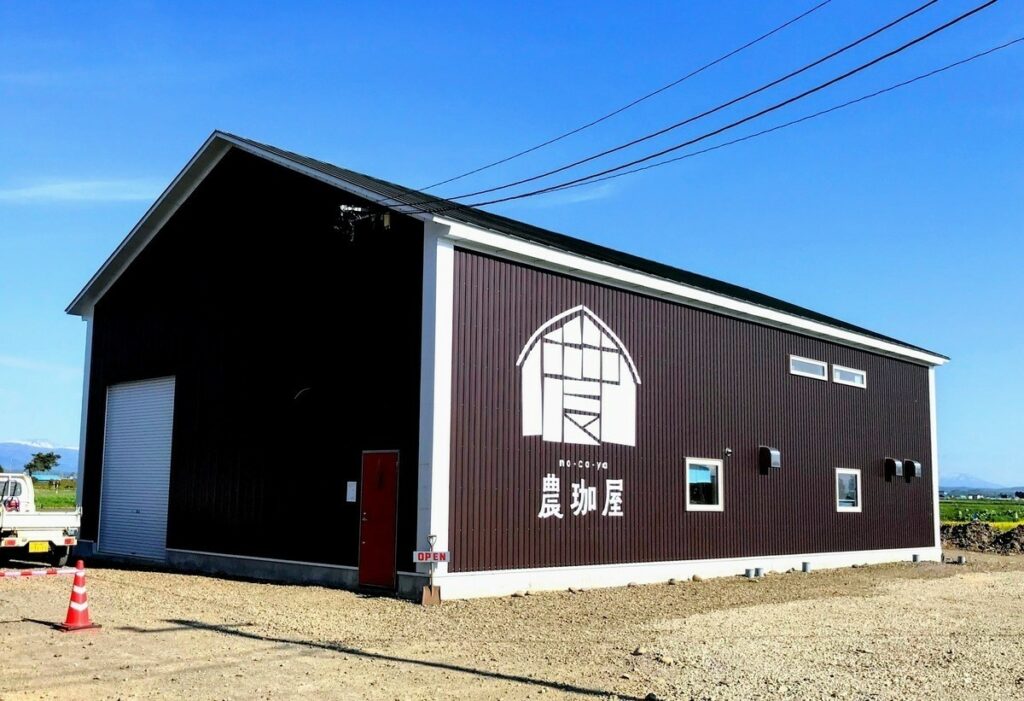
The Ultimate Efficiency: Why Our Ancestors Chose Rice (and Hokkaido’s Cold Rice Test)
The Cold Rice Test: Why Your Microwave Is Useless. Truly exceptional rice remains delicious even when cooled—a cultural point missed by the microwave generation. We explore the brutal efficiency that made rice, not wheat, the cornerstone of Japan, sustained by 400,000 km of ancestral labor (ten turns around the Earth). This profound history culminates in a farmer-run curry house where a simple meal becomes a 10,000-year philosophical experience.