
japanese history– tag –
-
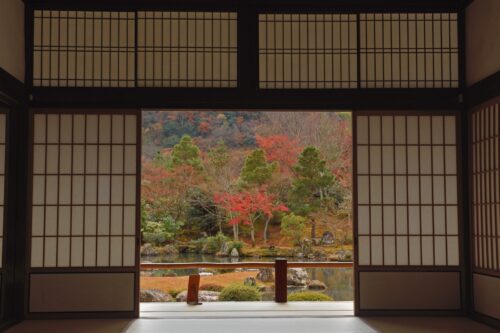
The Illusion of Authenticity: Why Shogun Feels Real to Japanese Viewers (and Why We Love the Dark)
Why does Shōgun feel so "authentic" to us Japanese viewers, even though we've never seen a real samurai? I suspect our common image is a sophisticated fiction created by the entertainment industry. While the language barrier of the 17th century was real (we'd need translators!), the architectural detail is authentic, thanks partly to a Belgian historian advisor. This realism captured the era’s aesthetic: the appreciation of shadow and dimness. The implicit message is that true Japanese beauty is revealed only in the dark. Try it: find the perfect shadow for your furniture and discover the hidden elegance of the samurai era. -
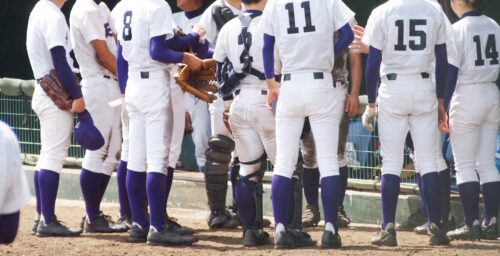
The Shaved-Head Mystery: Why Japan’s Top Athletes Were Forced to Embrace Non-Sense
Why were stars like Shohei Ohtani forced to shave their heads in high school? I analyze the irrational culture of Guts (Konnjō) versus the practical logic of the pros. Framed from my rational Hokkaido perspective, I argue that forced unity is a relic of non-sense discipline. The conclusion? A surprising logical leap from the rigid fields of Japan to selling furniture in the vibrant baseball capital of Monterrey, Mexico. -

The Simulacra Paradox: Why Japan’s Best Art Museum is Full of Fake Masterpieces
I must confess, I don't understand art at all. We argue the true value of a museum is not authenticity, but the quiet, surreal experience. Discover the Simulacra Paradox: The Otsuka Museum displays every masterpiece as a durable ceramic replica, allowing you to see the Mona Lisa without the mob. This is the true, subtle luxury: processing the surreal world of art in quiet, deliberate comfort. -
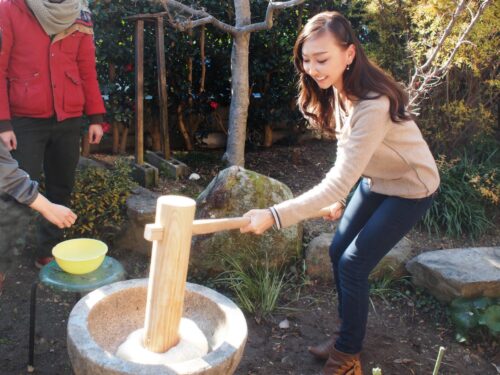
The Deadly Delicacy: Why Mochi is Japan’s Most Dangerous Food (and a Year-End Ritual)
Why is Mochi (rice cake), which causes 40% of all choking deaths in January, not banned in Japan? I suggest even those in power are captives of this deadly delicacy. I explore Mochi-tsuki as a lost year-end ritual requiring immense effort and communal unity. I reveal a non-psychological difference: commercial mochi is often made from flour, unlike the superior fresh-pounded version. Finally, I connect mochi's famous stickiness to traditional craft: rice paste was once the ideal glue for wooden furniture. -
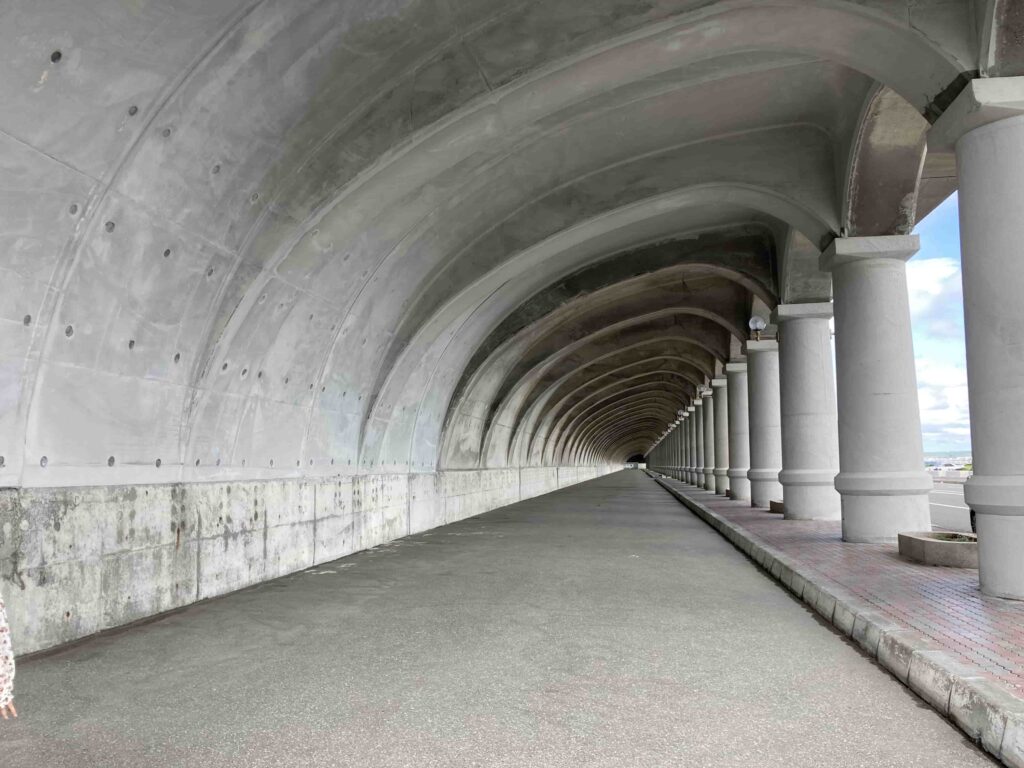
Civil engineering heritage in Hokkaido #1
【What's the civil engineering heritage?】 Does your city or region have civil engineering heritage? They may be a big bridge, dam, bund, tunnel, and any construction or architecture that have a significant impact on the development of l... -
The 22-Year Paradox: Why Kyoto’s Ancient Woodwork Still Stands After 1400 Years
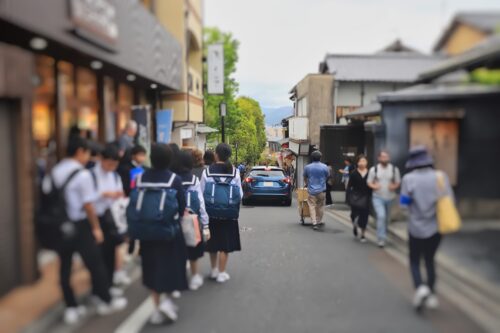
Why is Kyoto so popular? It’s the ancient capital and the destination for nearly every Japanese school trip (a beautiful, chaotic spring ritual). But here’s the paradox: Japan’s legal durable life for wooden buildings is only 22 years. This is absurd, considering Hōryū-ji Temple was built 1,400 years ago! The secret lies in ancient wisdom: using nail-less flexibility to withstand earthquakes. This same principle—accommodating wood’s expansion and contraction—is incorporated into our IPPONGI table, making it a piece of history you can use daily. -
The Japanese Floor Trap: Why We Can’t Quit the Carpet (And Why Your Sofa is a Decorative Prop)
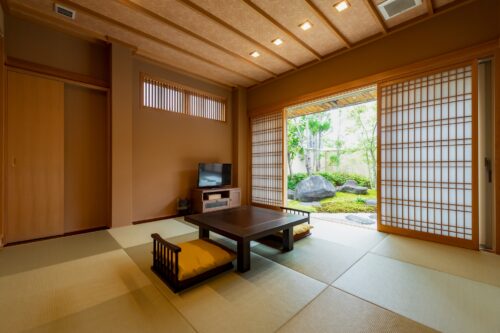
A deep, often humorous analysis of Japan's "floor life" culture. We examine the architectural wisdom of tatami, the ritual of removing shoes, and the political reasons why the most comfortable sofa still can't beat the floor. As a furniture maker, I discuss this cultural paradox and introduce the design philosophy behind our MOLA sofa—a personal hideout designed for true, unrestricted relaxation. -

The Anti-Sport Philosophy: Why Kendo Will Never Be in the Olympics
Why does Kendo resist Olympic inclusion? I explore the Anti-Sport Philosophy of Kendo, where natural expressions of victory are penalized and the bamboo sword is treated as the soul of the samurai. This ritualistic Way of Life is rooted in a deep Japanese reverence for tools. I conclude by revealing how the very same Kendo spirit—the humble partnership with one's instruments—is what drives the quality and meticulous care in our Hokkaido furniture factory. -

The Earthquake Test: Why Japanese Castles Are Designed to Survive, Not Impress
TWhy did European castles have high stone walls while Japanese castles relied on wood? I compare the architecture of France’s Carcassonne with Japan’s design, revealing how earthquake threats forced a strategy of resilience, not impression. This analysis uncovers the political divide—total war vs. civil war—and concludes that understanding the "other" is the only way to recognize the unique value of the "self." -
The 1,000-Year Nail: Why Kamakura Samurai Nails Were Stronger Than Temples
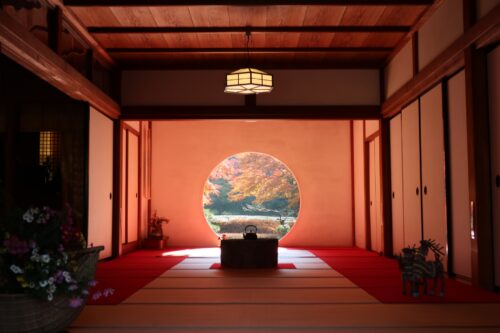
Kamakura—the modern pilgrimage site for Slam Dunk fans—was once the birthplace of the strongest Samurai. We unveil the 1,000-year-old secret of Japanese structural philosophy: ultimate strength is not in rigidity, but in controlled, flexible movement. Our furniture applies this ancient wisdom, using stealth metalwork to ensure the wood can flex and endure—just like a temple surviving a seismic shock.
12