
mastercondehousecojp– Author –

-

Hidden gems in Hokkaido : Secret forest next to Lake Akan
There are so many hidden gems in Hokkaido. You can see beautiful scenery e.g.; lakes, mountains, forest, sea and so on. I would like to share some gems in Hokkaido. 【Must visit in eastern part of Hokkaido】 Lake Akan is a beautiful crat... -

Stolen from the Gods: An Eco-Friendly Bonfire on a Hokkaido Rooftop Terrace
Fire was stolen from the gods (Prometheus, the Jaguar King) to make us human. But in wooden Japan, fire also created a deep-seated dread. I trace this primal paradox of fascination and awe, only to lead you to the final conclusion: The Bonfire Bar on a rooftop terrace in Asahikawa, Hokkaido. Visit to enjoy a unique, eco-friendly bonfire made from furniture wood waste—a small, local answer to a grand, universal mystery. -
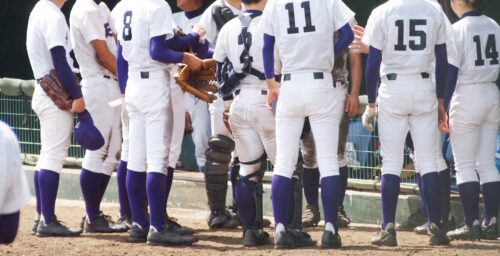
The Shaved-Head Mystery: Why Japan’s Top Athletes Were Forced to Embrace Non-Sense
Why were stars like Shohei Ohtani forced to shave their heads in high school? I analyze the irrational culture of Guts (Konnjō) versus the practical logic of the pros. Framed from my rational Hokkaido perspective, I argue that forced unity is a relic of non-sense discipline. The conclusion? A surprising logical leap from the rigid fields of Japan to selling furniture in the vibrant baseball capital of Monterrey, Mexico. -

Hidden gems in Hokkaido : Mt. Yotei (Yotei zan/ EZO FUJI)
There are so many hidden gems in Hokkaido. You can see beautiful scenery e.g.; lakes, mountains, forest, sea and so on. I would like to share some gems in Hokkaido. 【The Mt. Fuji of Hokkaido "Mt. Yotei"】 Mt. Yotei, known as Yotei zan, ... -
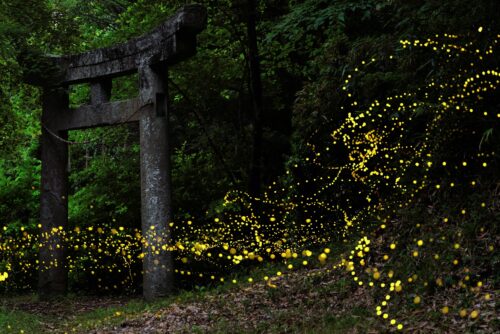
The Double Life of “Fireflies”: From Closing Time Signal to Magical Night in Hokkaido
Why does the Scottish folk song "Auld Lang Syne" make Japanese people instantly flee? I explore the Pavlovian closing signal ("Hotaru no Hikari"), only to pivot to the actual fireflies in Hokkaido. From a surreal night in the JSDF to Asahikawa’s successful community effort to reclaim natural beauty, I argue that the magic of a cool summer night is the best reason to avoid the heat of mainland Japan. -
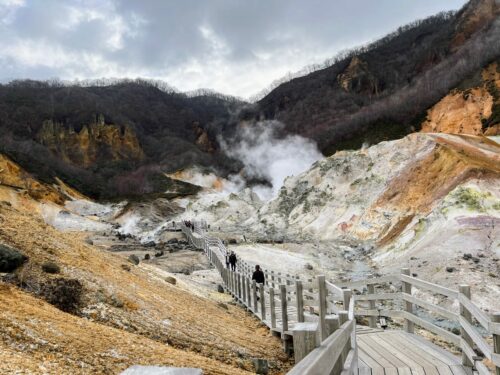
Hidden gems in Hokkaido : Hell Valley in Noboribetsu Onsen
There are so many hidden gems in Hokkaido. You can see beautiful scenery e.g.; lakes, mountains, forest, sea and so on. I would like to share some gems in Hokkaido. 【Hell Valley in Hokkaido】 Hokkaido is like a heaven but there is the H... -

The Logic of Lunch: What India’s Dabba and Japan’s Bento Say About Culture
What do India’s Dabba delivery system and Japan’s Bento art tell us about culture? I explore the unseen human greatness of Mumbai’s analog logistics and the miniature artistry of the Japanese lunchbox. This leads to the structural difference of Tiffin tins vs. magewappa (bent wood boxes)—and the surprising fact that the technology that perfected your traditional Bento now perfects our Hokkaido wooden chairs. -
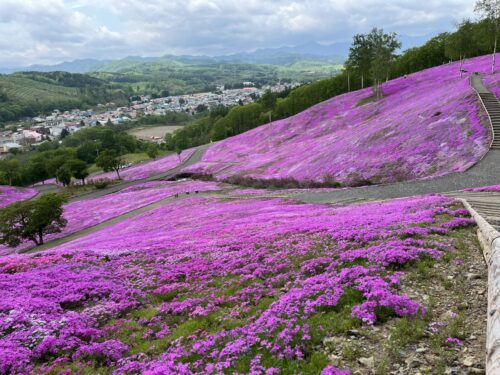
Hidden gems in Hokkaido : Pink! Pink! Pink! Moss phlox
There are so many hidden gems in Hokkaido. You can see beautiful scenery e.g.; lakes, mountains, forest, sea and so on. I would like to share some gems in Hokkaido. 【Pink! Pink! Pink!】 Takinoue Town is the small town, located in the th... -
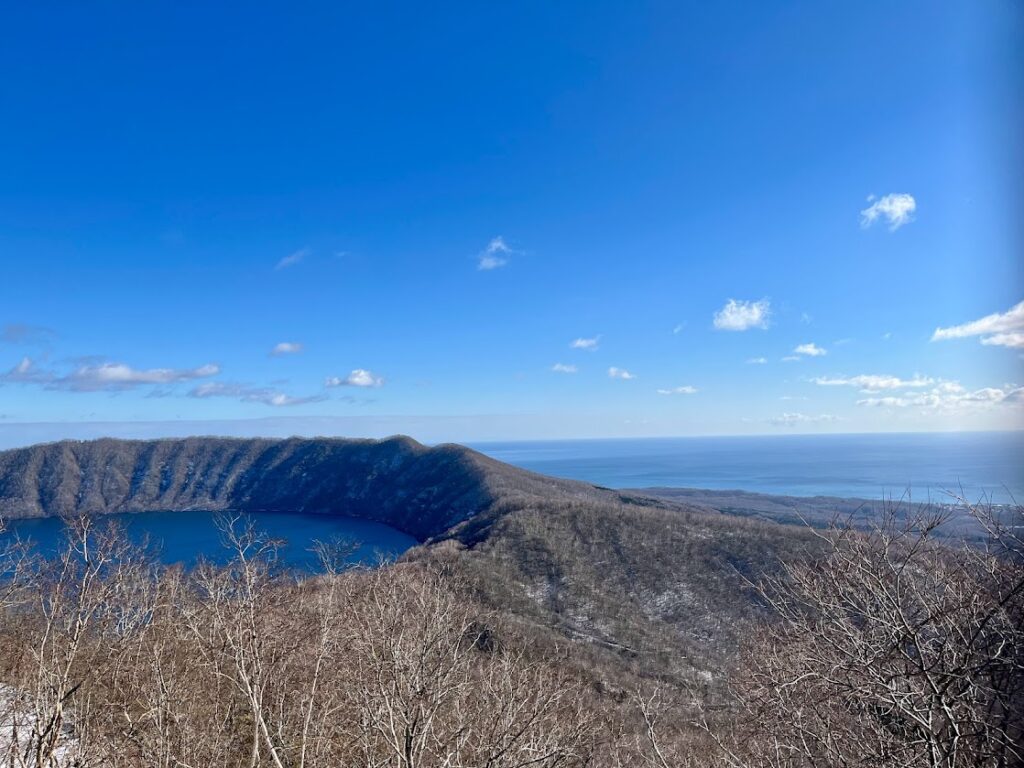
Hidden gem in Hokkaido: One of the clearest lake “Lake Kuttara”
There are so many hidden gems in Hokkaido. You can see beautiful sceneries, like lakes, mountains, forests, sea, and so on. I would like to share some of them. 【Unique characteristics】 Lake Kuttara is a crater lake located near the fam... -

The Efficiency Trap: Why I Keep Buying the Same Book Twice on Kindle
Why do I, a rationalist, keep buying the same book twice on Kindle? I explore the Efficiency Trap, where the pursuit of digital convenience leads to lost memory and diminished experience. The problem is not nostalgia, but the value of inefficiency. I argue that life is notoriously poor in cost performance, and that the modern search for meaning requires us to reject pure efficiency. Join us at Asahikawa Design Week to experience the value of real, inefficient communication.