
Japanese Culture and Traditions– category –
-
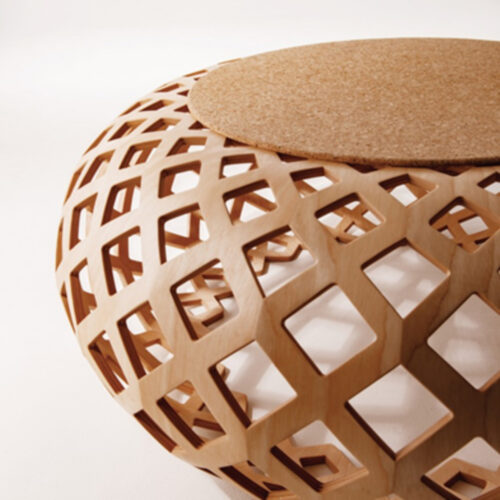
The Handmade Paradox: Why a Handmade Gift is Bliss, But a Handmade Pacemaker is Terror
Why do we pay a premium for "handmade" imperfection? I explore the Handmade Paradox: while a handmade pace maker is terrifying, a handmade Valentine’s chocolate is bliss. I argue that the value lies not in quality or precision, but in the meaningful, human background story. We conclude by discussing how our furniture combines high-tech precision with the essential human touch to create a better narrative. -

The $300 Sock Test: Why Mushroom Hunting in Hokkaido Is for the Brave (and the Bored)
Why does Japan's $300 Matsutake mushroom smell like dirty socks overseas? I explore the cultural acclimatization of fungi, the 4,000-year history of risk, and the scientific mystery of poisonous mushrooms. I then take you to Hokkaido, the last mushroom frontier, where unpicked bounty proves the biodiversity and health of our forests—and the quality of our wooden furniture. -

The Shaved-Head Mystery: Why Japan’s Top Athletes Were Forced to Embrace Non-Sense
Why were stars like Shohei Ohtani forced to shave their heads in high school? I analyze the irrational culture of Guts (Konnjō) versus the practical logic of the pros. Framed from my rational Hokkaido perspective, I argue that forced unity is a relic of non-sense discipline. The conclusion? A surprising logical leap from the rigid fields of Japan to selling furniture in the vibrant baseball capital of Monterrey, Mexico. -
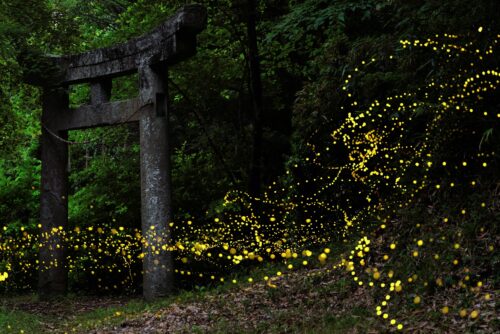
The Double Life of “Fireflies”: From Closing Time Signal to Magical Night in Hokkaido
Why does the Scottish folk song "Auld Lang Syne" make Japanese people instantly flee? I explore the Pavlovian closing signal ("Hotaru no Hikari"), only to pivot to the actual fireflies in Hokkaido. From a surreal night in the JSDF to Asahikawa’s successful community effort to reclaim natural beauty, I argue that the magic of a cool summer night is the best reason to avoid the heat of mainland Japan. -
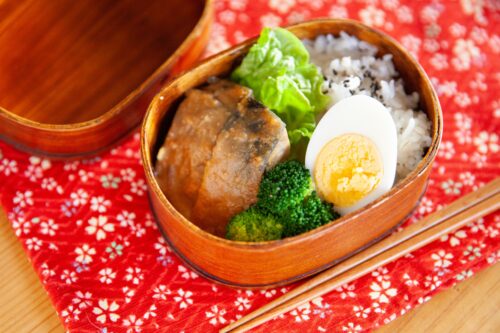
The Logic of Lunch: What India’s Dabba and Japan’s Bento Say About Culture
What do India’s Dabba delivery system and Japan’s Bento art tell us about culture? I explore the unseen human greatness of Mumbai’s analog logistics and the miniature artistry of the Japanese lunchbox. This leads to the structural difference of Tiffin tins vs. magewappa (bent wood boxes)—and the surprising fact that the technology that perfected your traditional Bento now perfects our Hokkaido wooden chairs. -
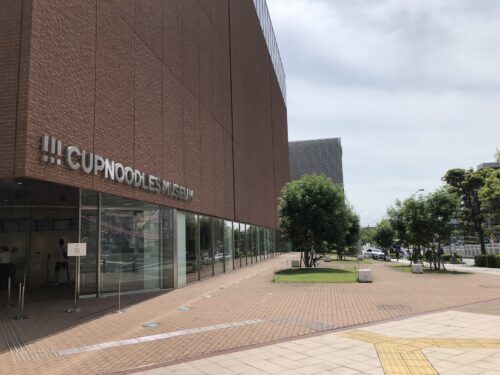
The Kaizen Noodle: What 81 Meals a Year Taught the World About Instant Ramen
How did a post-war necessity become a global staple eaten 81 times a year in Korea? I explore the Japanese invention of instant noodles, tracing Momofuku Ando's five-point philosophy and the continuous innovation (Kaizen) that produced non-fried and raw-type noodles. The article concludes with the utterly anticlimactic truth: I cannot bring specialty instant noodles as a souvenir to our Bangkok staff because global logistics always loses to carry-on baggage limits. -

The $2 Billion Pocket Problem: How Design Thinking Turned Leftover Coins into an Experience
I trace the origin of Japan's Galápagos Syndrome to a chocolate snack craze from my childhood, fueled by the hit-or-miss system for rare hologram stickers. This mentality evolved into Gacha (capsule toys). I analyze the genius marketing move that transformed this local craze into a global success: installing machines at airports to solve the universal problem of leftover JPY coins. This is the power of design—solving a logistics headache with empathy and turning a local habit into a global solution. -
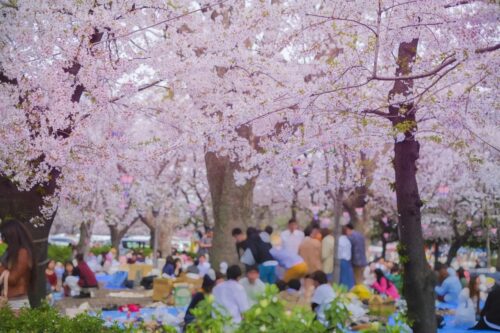
The Sakura Front: Japan’s Annual War of Flowers and the Art of Strategic Drinking
Every March, Japan enters a state of high alert. News anchors pivot from grim economic reports to radiant grins as they reveal the "tactical coordinates" of the Cherry Blossom Front. Is it flower viewing, or a ritualized battlefield for the corporate soul? From the fleeting illusions of Tokyo to the enduring skeleton of Hokkaido cherry timber, we analyze the true anatomy of Sakura. -
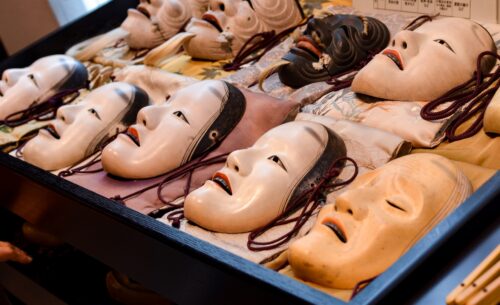
The Physics of Fear: Why Jason’s Hockey Mask and Noh Masks Scare Us With Subtle Asymmetry
Jason’s mask scares us by its absence of expression. Noh masks scare us by their subtle, shifting asymmetry. We dive into the physics of fear to uncover the 600-year-old secret: how slight, intentional, left-right imperfection gives the illusion of life—a profound, subtle complexity forged by the deep Japanese woodworking tradition. The imagination is always the most effective special effect. -
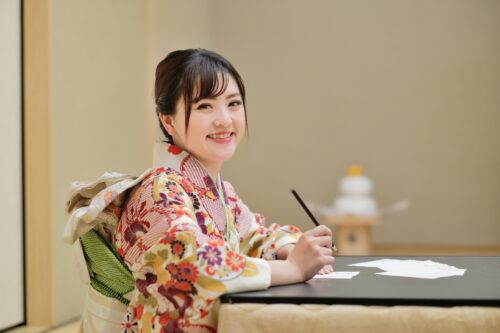
The First Penguin’s Regret: Why I Ditched Japan’s New Year’s Cards (And Why Quick Decisions Are Overrated)
If the risk is that high, I’d rather leave it to the self-appointed weirdos like Elon Musk. I became the first penguin to quit the Japanese New Year's card ritual—a decision I sometimes regret when I see my empty mailbox. Quick decisions are overrated. The value of a product is often measured by the emotional weight of its memory, not just its sales trend.