
Japanese Culture and Traditions– category –
-

The Kaiju Metaphor: Why Godzilla is a God, Not a Villain (And Why We Must Learn to Surrender)
The Kaiju Metaphor: Godzilla is a non-negotiable force of nature that technology cannot defeat. As an ex-military person, I’m frustrated, but we Japanese simply surrender to the inevitable. Embracing a crack in the wood is a small, daily act of submitting to nature, just as the Japanese submit to Godzilla. -
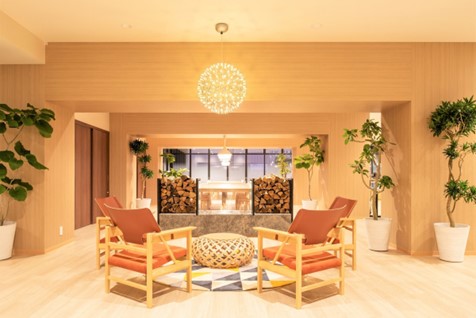
The Great Escape: Seeking the “Extraordinary” in Your Own Neighborhood
Remote work turned our homes into offices. Join me as I "defect" to a hotel just 20 minutes from my house to find a sanctuary of silence, a top-floor hot bath, and a chance to secretly spy on how people are using our furniture in the real world. -

The Elsa Paradox: Turning Hokkaido’s Winter “Nuisance” into Summer Gold
Elsa makes it look easy, but shoveling snow at -41°C is no fairy tale. Join me as I explore the reality of life in Japan’s coldest city, the struggle of maintaining solar panels in a blizzard, and the brilliant, low-tech secret of using winter snow to air-condition our summers. -
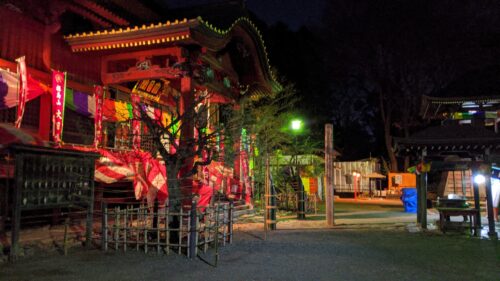
The KFC Lie and the Strawberry Illusion: How Japan Ends the Year
In Japan, Christmas is built on two brilliant marketing lies: fried chicken and strawberry shortcake. But as soon as the feast ends, we pivot to "Oosouji"—the sacred ritual of winter cleaning. Join me as I explore the delightful chaos of Japanese culture skimming, why we scrub floors in the cold, and how cleaning my PC files at CondeHouse became my ultimate end-of-year reflection. -
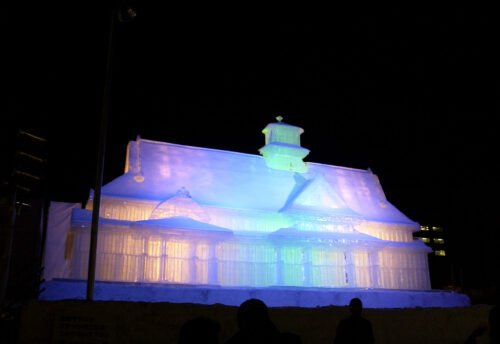
The Sculptors in Uniform: Why Hokkaido’s Winter is a Fortress of Craftsmanship
What happens when you give a military unit a mountain of snow and a Disney manual? You get a miracle that defies market logic. Explore the deep connection between Hokkaido's vanishing railways, the "military-grade" snow art of Asahikawa, and why true craftsmanship can never be "rebuilt" once it's lost. -
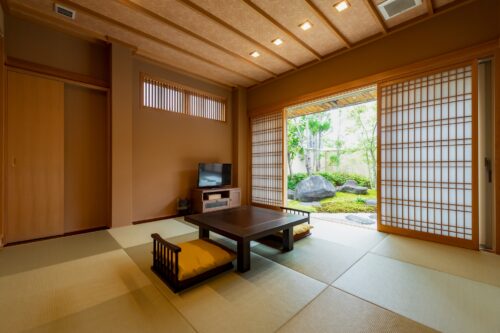
The Japanese Floor Trap: Why We Can’t Quit the Carpet (And Why Your Sofa is a Decorative Prop)
A deep, often humorous analysis of Japan's "floor life" culture. We examine the architectural wisdom of tatami, the ritual of removing shoes, and the political reasons why the most comfortable sofa still can't beat the floor. As a furniture maker, I discuss this cultural paradox and introduce the design philosophy behind our MOLA sofa—a personal hideout designed for true, unrestricted relaxation. -

Guns, Wood, and the Japanese Spirit of “Better Than the Original”
Did you know "Pan" is Portuguese? From the accidental arrival of bread and guns to the 16th-century arms race that terrified colonial empires, join me as I explore Japan's "improvisational genius" and how we’re using that same spirit to take our Hokkaido furniture to the global stage. -

The Anti-Sport Philosophy: Why Kendo Will Never Be in the Olympics
Why does Kendo resist Olympic inclusion? I explore the Anti-Sport Philosophy of Kendo, where natural expressions of victory are penalized and the bamboo sword is treated as the soul of the samurai. This ritualistic Way of Life is rooted in a deep Japanese reverence for tools. I conclude by revealing how the very same Kendo spirit—the humble partnership with one's instruments—is what drives the quality and meticulous care in our Hokkaido furniture factory. -

The Earthquake Test: Why Japanese Castles Are Designed to Survive, Not Impress
TWhy did European castles have high stone walls while Japanese castles relied on wood? I compare the architecture of France’s Carcassonne with Japan’s design, revealing how earthquake threats forced a strategy of resilience, not impression. This analysis uncovers the political divide—total war vs. civil war—and concludes that understanding the "other" is the only way to recognize the unique value of the "self." -
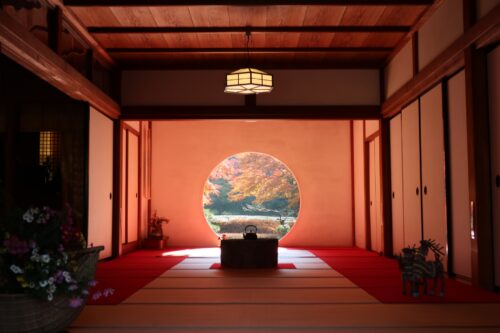
The 1,000-Year Nail: Why Kamakura Samurai Nails Were Stronger Than Temples
Kamakura—the modern pilgrimage site for Slam Dunk fans—was once the birthplace of the strongest Samurai. We unveil the 1,000-year-old secret of Japanese structural philosophy: ultimate strength is not in rigidity, but in controlled, flexible movement. Our furniture applies this ancient wisdom, using stealth metalwork to ensure the wood can flex and endure—just like a temple surviving a seismic shock.