
japanese culture– tag –
-
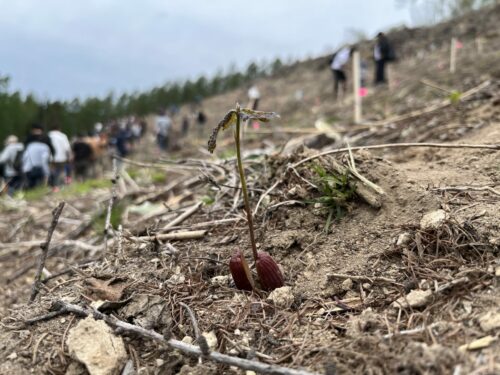
The 100-Year Bet: Why We Plant Oak Trees in Hokkaido (and the Martin Luther Paradox)
Why does planting a tree feel so profoundly positive? You cannot plant a tree without a radical, almost arrogant degree of hope for a future you will not see. For us, this means taking a 100-Year Bet: planting oak trees today that the children who join us will likely never see turned into furniture. This is the profound irony of investing in a raw material only for an entirely unseen future generation. -
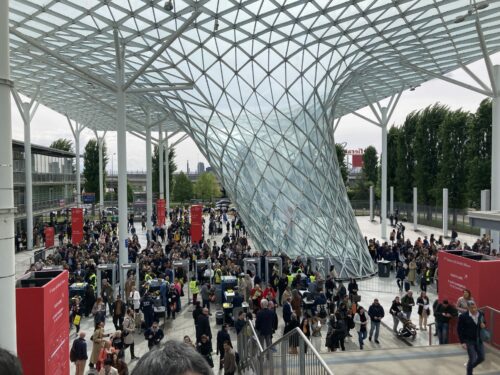
The Queueing Paradox: Why Milano Salone Thrives by Excluding the Masses (The Disney Dreamland Test)
We may queue neatly, but we are internally seething. We analyze the privatization of pleasure using the TDL model (abolishing the free Fast Pass). The secret to Milano Salone's success is simple: its location offers irresistible, non-business entertainment. Entertainment is not supplementary to the trade show; it is the precondition for its success. -

The Howard Hughes Dilemma: Why We Commute Two Hours to Work in Stylish Offices
What is the meaning of work? I begin by contemplating the Howard Hughes Dilemma—the tragic loneliness of a titan who isolated himself from his work. This contrasts sharply with the Stylish Paradox of Tokyo's furniture makers: beautiful, showcase offices paired with full remote work. I ask why workers commute two hours a day to the office, concluding that the underlying drive is a profound mystery of human connection. Our upcoming office renovation is a trial to prove that the opposite of Howard Hughes is a good chair and a friendly colleague. -

The Power of a Name: How ‘Jewelry Ice’ Turned a Nobodys’ Coast into a Global Destination
The cult of ice: Over 100 people gathered in punishing cold before dawn to see the Jewelry Ice. We explore the power of a name: worthless river ice was renamed 'Jewelry Ice' and became a global phenomenon. Money is a form of appreciation for perceived value. We must find the 'Jewelry Wood' moment for our furniture. -

The Levitt Principle: How Removing Barriers and Redefining Purpose Creates Billion-Dollar Hits
I analyze the success of the Convenience Gym, which found a million members by removing every possible barrier to exercise. Then, I examine the hit Men's Parasol, which succeeded by simply redefining the item's purpose. Both confirm Theodore Levitt's Principle: "Sell the hole, not the drill." I apply this to our craft by proposing to engrave family names on dining chairs—shifting the purpose from "comfort" to "making the place where family members return to." (The only downside: it risks making parents terribly sad after the kids fly the nest.) -
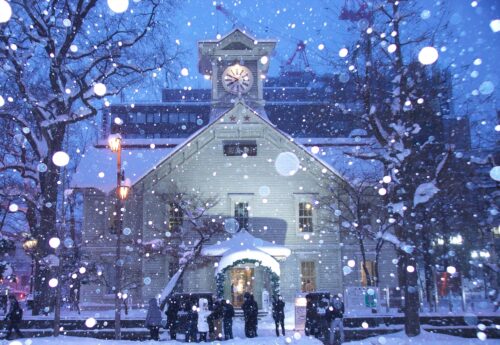
KFC, Cake, and Loneliness: The Bizarre Ways Japan Celebrates a “Culturally Blank” Christmas
Why do Japanese people eat KFC and cake on Christmas? I analyze this "culturally blank" phenomenon, tracing the origins of the traditions from aggressive commercial marketing to intense social pressure to avoid being a "loser." I conclude by inviting readers to Hokkaido to trade the chaos of collective anxiety for the silence and true, natural beauty of a White Christmas. -
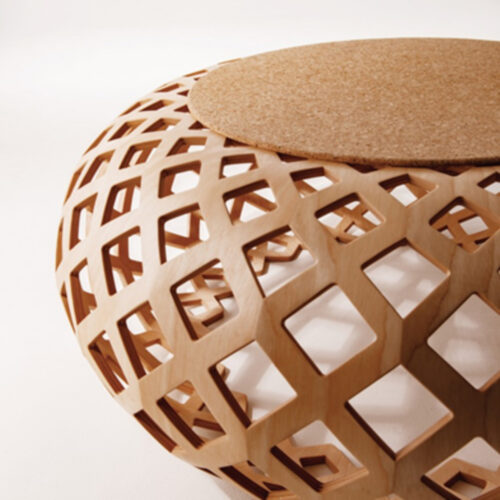
The Handmade Paradox: Why a Handmade Gift is Bliss, But a Handmade Pacemaker is Terror
Why do we pay a premium for "handmade" imperfection? I explore the Handmade Paradox: while a handmade pace maker is terrifying, a handmade Valentine’s chocolate is bliss. I argue that the value lies not in quality or precision, but in the meaningful, human background story. We conclude by discussing how our furniture combines high-tech precision with the essential human touch to create a better narrative. -

The $300 Sock Test: Why Mushroom Hunting in Hokkaido Is for the Brave (and the Bored)
Why does Japan's $300 Matsutake mushroom smell like dirty socks overseas? I explore the cultural acclimatization of fungi, the 4,000-year history of risk, and the scientific mystery of poisonous mushrooms. I then take you to Hokkaido, the last mushroom frontier, where unpicked bounty proves the biodiversity and health of our forests—and the quality of our wooden furniture. -

Stolen from the Gods: An Eco-Friendly Bonfire on a Hokkaido Rooftop Terrace
Fire was stolen from the gods (Prometheus, the Jaguar King) to make us human. But in wooden Japan, fire also created a deep-seated dread. I trace this primal paradox of fascination and awe, only to lead you to the final conclusion: The Bonfire Bar on a rooftop terrace in Asahikawa, Hokkaido. Visit to enjoy a unique, eco-friendly bonfire made from furniture wood waste—a small, local answer to a grand, universal mystery. -

The Shaved-Head Mystery: Why Japan’s Top Athletes Were Forced to Embrace Non-Sense
Why were stars like Shohei Ohtani forced to shave their heads in high school? I analyze the irrational culture of Guts (Konnjō) versus the practical logic of the pros. Framed from my rational Hokkaido perspective, I argue that forced unity is a relic of non-sense discipline. The conclusion? A surprising logical leap from the rigid fields of Japan to selling furniture in the vibrant baseball capital of Monterrey, Mexico.