
japanese culture– tag –
-

The Smell of Kaizen: What a World-Class Cleaner Taught Japan About Service
What does Japan truly smell like? I explore the rumor of soy sauce and the reality of the World's Cleanest Airport (Haneda). This cleanliness is the legacy of Haruko Niitsu, a charismatic master cleaner who proved that true mastery requires empathy. I pivot to our local pride: Asahikawa Airport's virtually non-existent flight cancellation rate, which requires its own league of unsung masters of snow clearing. Come and witness this Hokkaido spirit—the genuine smell of Kaizen—at our factory. -
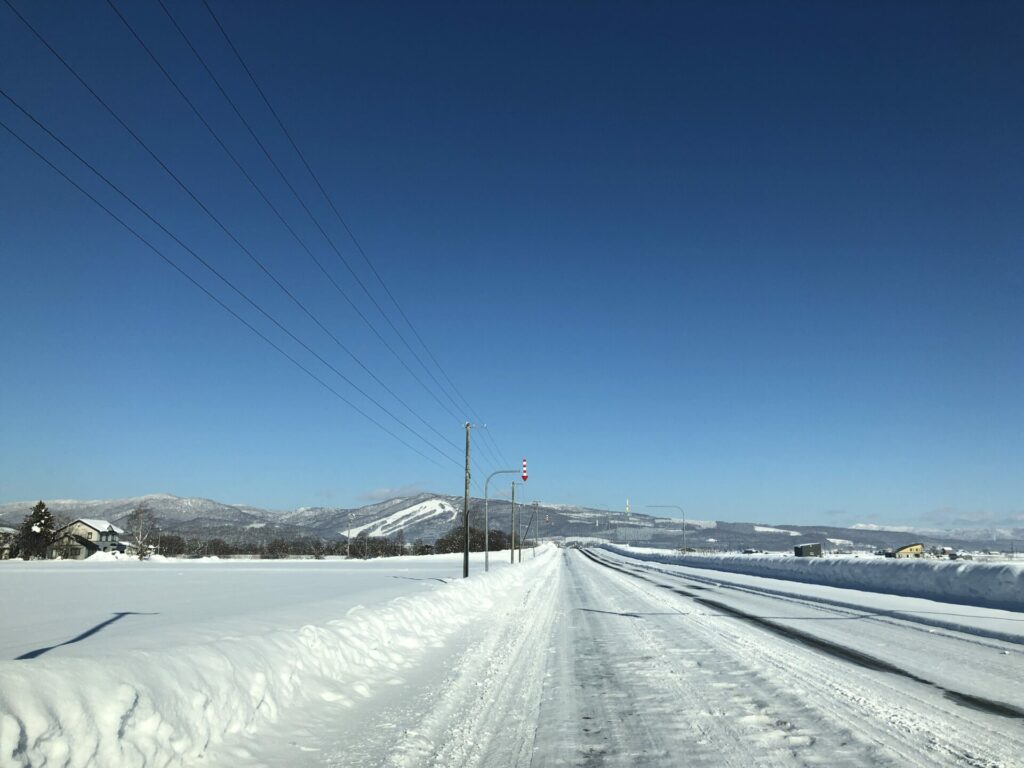
Hokkaido adventures: Exploring the skiing gems of northern Japan #3
【Ski in Pippu: Enjoy the Unbeatable View of Daisetsu Mountain Range】 Pippu's ski area is a hidden gem in northern Hokkaido, that offers skiers and snowboarders a truly unique experience. One of its main draws is the breathtaking views ... -
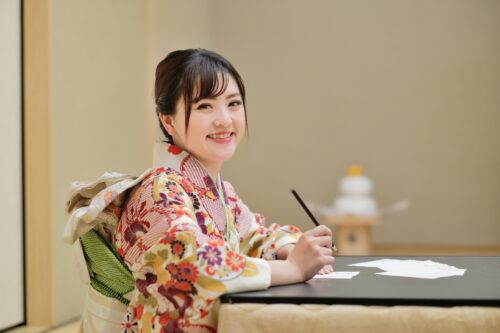
The First Penguin’s Regret: Why I Ditched Japan’s New Year’s Cards (And Why Quick Decisions Are Overrated)
If the risk is that high, I’d rather leave it to the self-appointed weirdos like Elon Musk. I became the first penguin to quit the Japanese New Year's card ritual—a decision I sometimes regret when I see my empty mailbox. Quick decisions are overrated. The value of a product is often measured by the emotional weight of its memory, not just its sales trend. -

The Deadly Delicacy: Why Mochi is Japan’s Most Dangerous Food (and a Year-End Ritual)
Why is Mochi (rice cake), which causes 40% of all choking deaths in January, not banned in Japan? I suggest even those in power are captives of this deadly delicacy. I explore Mochi-tsuki as a lost year-end ritual requiring immense effort and communal unity. I reveal a non-psychological difference: commercial mochi is often made from flour, unlike the superior fresh-pounded version. Finally, I connect mochi's famous stickiness to traditional craft: rice paste was once the ideal glue for wooden furniture. -
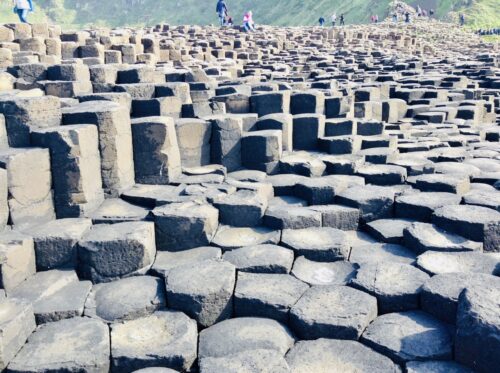
Why Nature Loves Hexagons: The Geometry of Efficiency (And Why I’m Terrified of Emotional Aging)
If you stop being curious, you will emotionally crumble. My blog is my anti-aging strategy, leading me to the genius of the hexagon. Why do bees choose it? It's the contact point theory that proves its work efficiency. Even the Japanese word for snowflakes, Rokka, means "hexagonal flower." -

The Magic of Moss and the Secret of the Coca-Cola Factory
A forest can be a dark mystery or a miracle of ecology, depending on the guide. From the unique way Japanese fans saved "Malfoy" to the "forbidden" taste of Coca-Cola on a school trip, discover why the secret to building a world-class brand like CondeHouse lies in the delicate art of the "First Impression." -
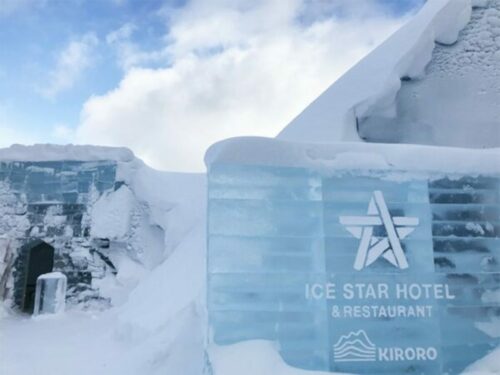
The Powder Paradox: Why Hokkaido’s ‘Good’ Snow Ruins Childhood Games (and Creates Stunning Ice Hotels)
The $500 Japanese Ransel school bag was built to be a six-year sled. We unveil the Powder Paradox: Hokkaido’s globally famous 'Champagne Powder' is too light and dry to build snow igloos—ruining childhood fun, but creating the need for stunning, heavy-machinery-built structures like the La Vista Ice Bar. Sit on our chairs in a hotel made of ice and experience the ultimate expression of our fleeting, cold luxury. -
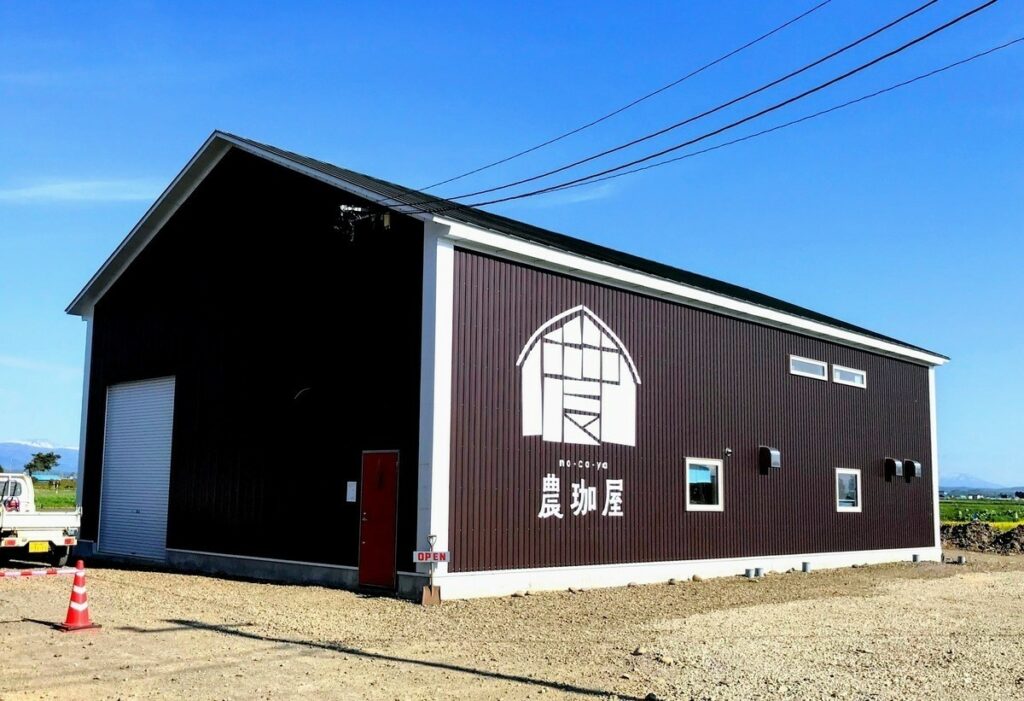
The Ultimate Efficiency: Why Our Ancestors Chose Rice (and Hokkaido’s Cold Rice Test)
The Cold Rice Test: Why Your Microwave Is Useless. Truly exceptional rice remains delicious even when cooled—a cultural point missed by the microwave generation. We explore the brutal efficiency that made rice, not wheat, the cornerstone of Japan, sustained by 400,000 km of ancestral labor (ten turns around the Earth). This profound history culminates in a farmer-run curry house where a simple meal becomes a 10,000-year philosophical experience. -
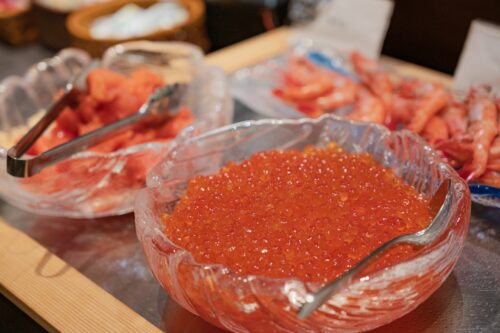
The “Dormy Inn” Cult: Why Japan’s Budget Hotels are a Traveler’s Paradise
In Japan's economy, we take turns playing the servant and the served. But as a traveler, you get to skip the "Hell" and enjoy pure "Heaven." Explore the cult of Dormy Inn—the hotel chain that offers free noodles, hot springs, and gourmet breakfasts—and learn why spending your savings on Hokkaido craftsmanship is the smartest move you can make. -

The Luxury of Invisibility: What Maison Margiela Taught Me About Branding
Why are humans driven to advertise brand names? I explore the human ego through three cases: the "kindergarten effect" of logo prints, the authenticity trap of the New Era sticker, and the brilliant irony of Maison Margiela’s four white stitches. The conclusion? We can never escape the desire for approval—only change the subtle way we show it off.