
tradition– tag –
-

The Annual Corporate Baptism: Why Japan’s Entrance Ceremonies Exist (and Why I Hate Public Speaking)
Why does Japan practice synchronized recruitment and the Annual Corporate Baptism (Nyūsha-shiki)? I draw on my own embarrassing experience of attending three entrance ceremonies in three years to explain their function as a critical "attitude adjustment" event. I analyze the ritualistic genius of Toyota's CEO and his engine-revving speech. The analysis leads to my personal crisis: my existential dread over giving a compulsory lecture at the CondeHouse entrance ceremony next week. -
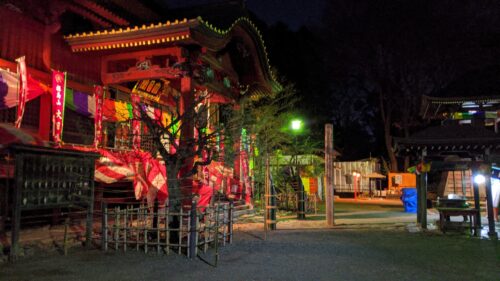
The KFC Lie and the Strawberry Illusion: How Japan Ends the Year
In Japan, Christmas is built on two brilliant marketing lies: fried chicken and strawberry shortcake. But as soon as the feast ends, we pivot to "Oosouji"—the sacred ritual of winter cleaning. Join me as I explore the delightful chaos of Japanese culture skimming, why we scrub floors in the cold, and how cleaning my PC files at CondeHouse became my ultimate end-of-year reflection. -
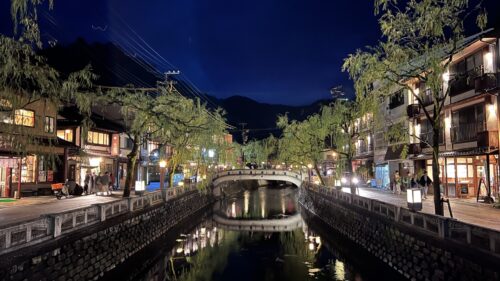
The Art of Strategic Laziness: How to Survive a Japanese Onsen
In an onsen, everyone is equal because everyone is naked. Explore the fascinating history of how Japanese hot springs served as a sanctuary from social status and the "curse" of productivity. From Samurai "resetting" their souls to the art of the Yukata waddle, discover the ultimate way to spoil yourself. -

The Anti-Sport Philosophy: Why Kendo Will Never Be in the Olympics
Why does Kendo resist Olympic inclusion? I explore the Anti-Sport Philosophy of Kendo, where natural expressions of victory are penalized and the bamboo sword is treated as the soul of the samurai. This ritualistic Way of Life is rooted in a deep Japanese reverence for tools. I conclude by revealing how the very same Kendo spirit—the humble partnership with one's instruments—is what drives the quality and meticulous care in our Hokkaido furniture factory. -
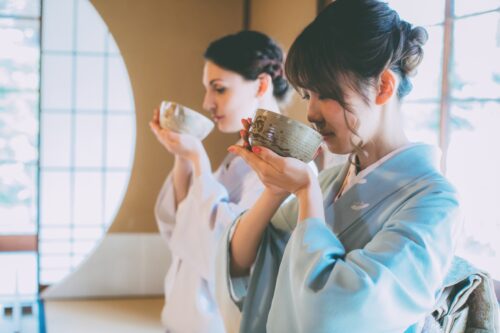
The Zen Paradox: Why an Old Rock is Beautiful (and Why I Can’t Stylize Snacking)
What makes Sadō (tea ceremony) a profound ritual rather than just drinking tea? I argue that the merchant who formalized it was a genius to elevate a simple daily routine. This leads to the Zen Paradox: the spiritual core of mindfulness that balances objective observation (seeing a dirty rock as it is) with imaginative emptiness (seeing a whole garden in a single flower). We hope this Zen spirit will make you see expansive beauty in the simplicity of our furniture. -
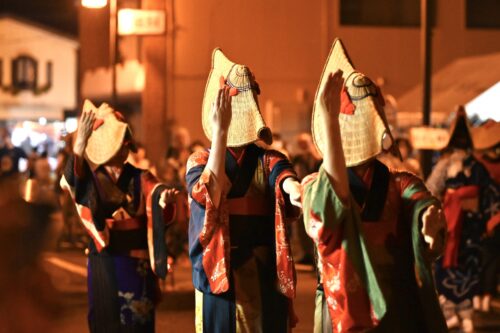
The Sacred Chaos: Why Japanese Summer Festivals Are Essential for Local Relationships (And Our Complicated Faith)
We are a nation that is both deeply pragmatic and quietly spiritual. We have three times more shrines than convenience stores. Natsu Matsuri is essential, not for the gods, but for workplace harmony—and convincing ourselves that summer is finally, truly over.
1