
hokkaido– tag –
-
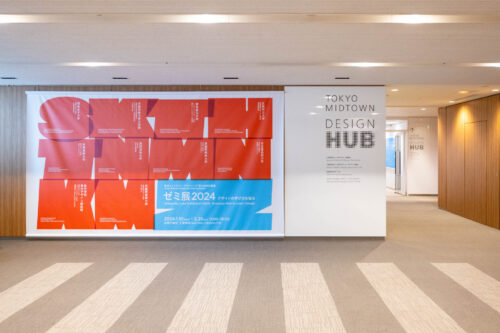
Tokyo Midtown Design Hub – A Gateway to Tokyo’s Creative Pulse
Today, we’re taking you on a casual, slightly cheeky stroll through one of Tokyo’s most inventive design hangouts: Tokyo Midtown Design Hub (TMDH). Imagine stepping into a building that gives a knowing wink to both your left-brain archit... -
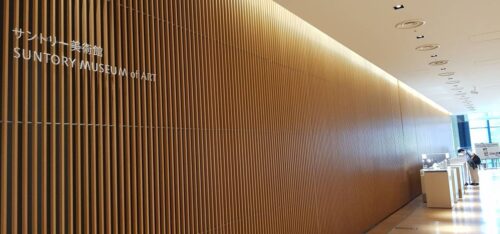
Suntory Museum of Art – Your Urban Oasis in Neon TokyoSuntory
【】 When you hear Suntory, you probably think whisky on the rocks, highball cans from the konbini, or maybe that jingle that somehow gets stuck in your head for days. But plot twist: Suntory also runs a museum. Yep, a museum, and not ju... -
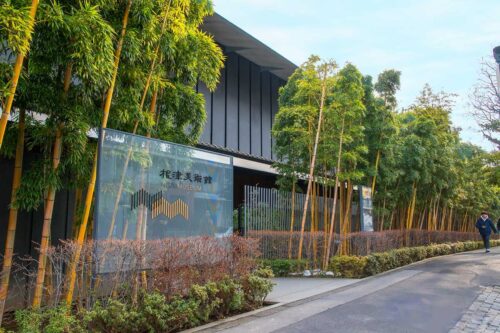
Escaping the Noise: A Day at Nezu Museum
【】 Step out of Omotesando Station and you’re ready for fashion runways and overpriced lattes. But walk for ten minutes, and—plot twist—you’re suddenly in a Zen bubble. Welcome to the Nezu Museum, where Tokyo’s chaos politely takes a se... -
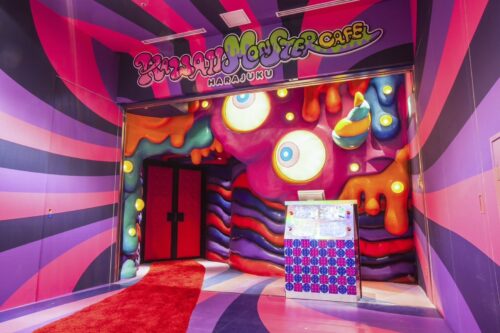
Welcome to KAWAII MONSTER LAND — Where Harajuku Goes Full Monster Mode
Harajuku’s legendary Kawaii Monster Café (2015–2021) is clawing its way back from the neon grave, only this time it evolved into KAWAII MONSTER LAND (KML)—a full-on technicolor amusement park opening Winter 2025. Picture this: a candy-sh... -
Hebocon, Virtual Idols, and the Aesthetics of the “Useless”: Why Efficiency is Overrated
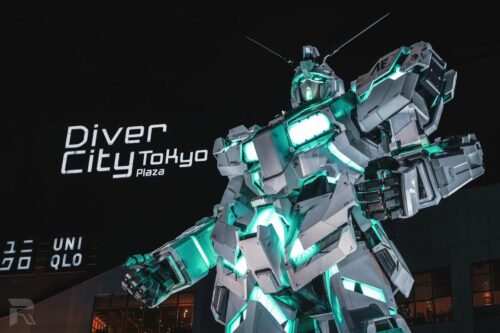
In a world obsessed with precision, Hebocon is a profound rejection of efficiency. It is a "Sumo of Sorrows" where paper-faced robots self-destruct in a tragic microcosm of the human condition. Why do we love the "heboi" and the non-functional? From Doraemon to the Hatsune Miku Art Chair, we delve into the Japanese art of finding a soul in the beautifully unnecessary. -
Featured Project: Tokyo Stories – Our Designs in Action
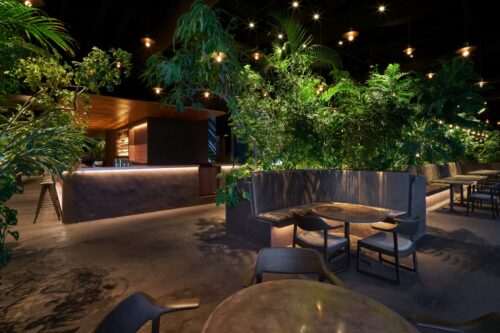
【】 Welcome to the 21st century of food, where eating isn’t just about filling your stomach—it’s about saving the planet, questioning the meaning of life, and, most importantly, getting that perfect Instagram shot. Let’s be real: the wo... -
The Unseen Dread: Why J-Horror Terrifies Us by Elevating the Everyday Unknown
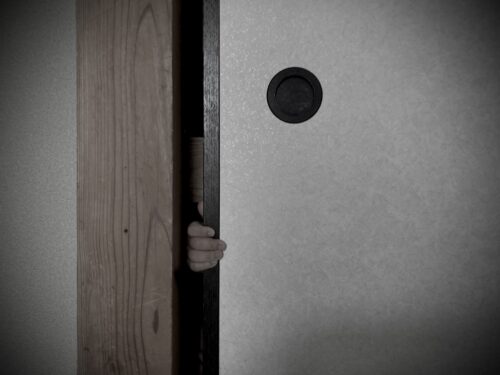
Why do we seek fictional fear? Because that emotion overwhelms the rational knowledge of whether the threat is real (unlike sadness, which is easily dismissed). This explains the difference between Hollywood and J-Horror. Hollywood gives us physical terror—monsters that bite and claw. J-Horror, exemplified by The Ring, gives us psychological anxiety—the silent evil that crawls out of a video cassette, breaching the reality of our everyday life. This unique Japanese trait—finding a small dose of the extraordinary in the ordinary (like going to a public bath)—is what makes the horror so pervasive. Our furniture aims for a similar, though less scary, effect: making your everyday activities a little more special. -
The Illusion of Authenticity: Why Shogun Feels Real to Japanese Viewers (and Why We Love the Dark)
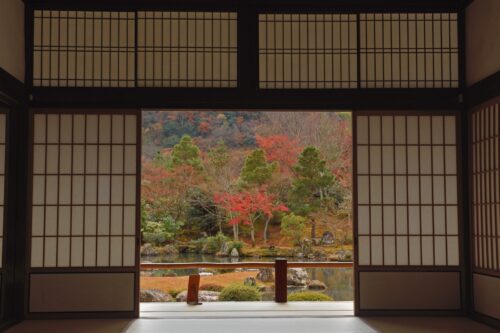
Why does Shōgun feel so "authentic" to us Japanese viewers, even though we've never seen a real samurai? I suspect our common image is a sophisticated fiction created by the entertainment industry. While the language barrier of the 17th century was real (we'd need translators!), the architectural detail is authentic, thanks partly to a Belgian historian advisor. This realism captured the era’s aesthetic: the appreciation of shadow and dimness. The implicit message is that true Japanese beauty is revealed only in the dark. Try it: find the perfect shadow for your furniture and discover the hidden elegance of the samurai era. -

Why Hokkaido’s Winter Wonderland Should Be Your Next Trip
Why do people in one of the coldest places on Earth eat the most ice cream in winter? Explore the fascinating world of Hokkaido's sub-zero life, where airtight architecture and T-shirt-warm indoors turn a harsh winter into a cozy sanctuary. -
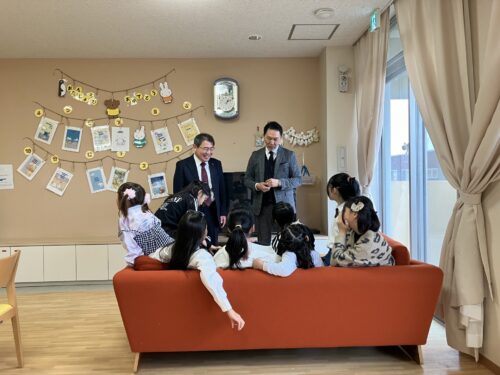
The Red Pill of Charity: Why We Should Embrace Self-Satisfied Giving (The Joy of Unconscious Kindness)
Japan ranked second worst in the World Giving Index. We avoid debate, preferring to read between the lines. We argue that charity is fundamentally for self-satisfaction—and that’s fine! Let’s take the red pill, get out of capitalism, and do something irrationally kind. It’s the purest form of non-monetary profit.