
hokkaido– tag –
-

What is the best kindling for a bonfire in Hokkaido?
【The charm of bonfires】 Do you like bonfires? What kinds of things have you burned in your childhood? I was a very serious child and never played with fire, but I completely got fascinated by bonfire when I grew up and started camping.... -

Giant Tree Hunt in Hokkaido #1
【Giant trees are symbolic of the nature 】 Giant trees are nurtured over a long period of time to be symbolic of the nature or climate of the land. They have been the home of various creatures, the object of people's faith, and the symb... -
All About Beginner Cyclist’s Preparation for His/Her First Rode Race
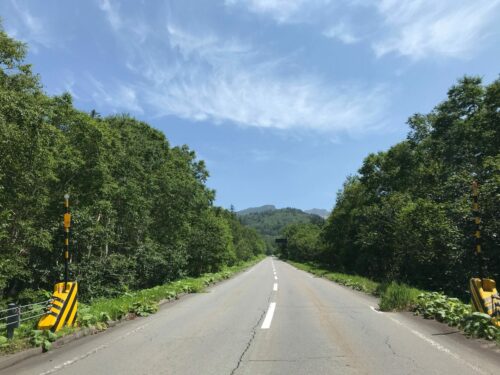
Hokkaido is blessed with mountains, and there are so many ways to enjoy them. Climbing, jogging, driving, rafting, bird watching, sightseeing, photograph, skiing and snowboarding, and cycling. Which do you want to do here? The other day,... -
What Kind of Fun in the Playground of the Gods?
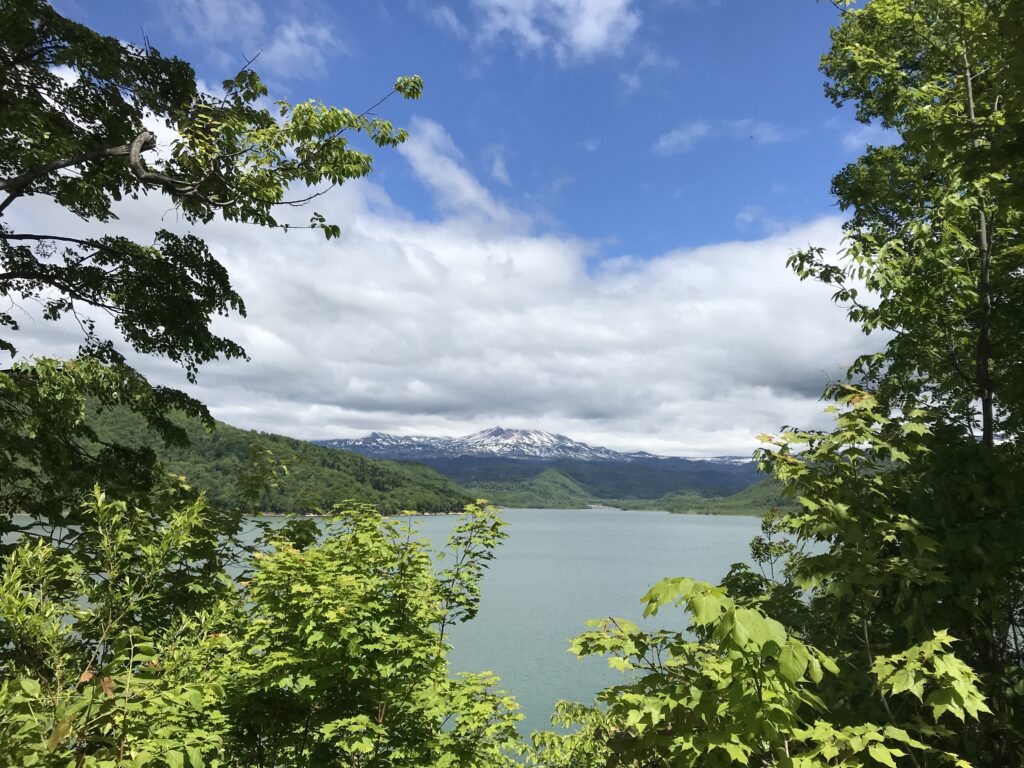
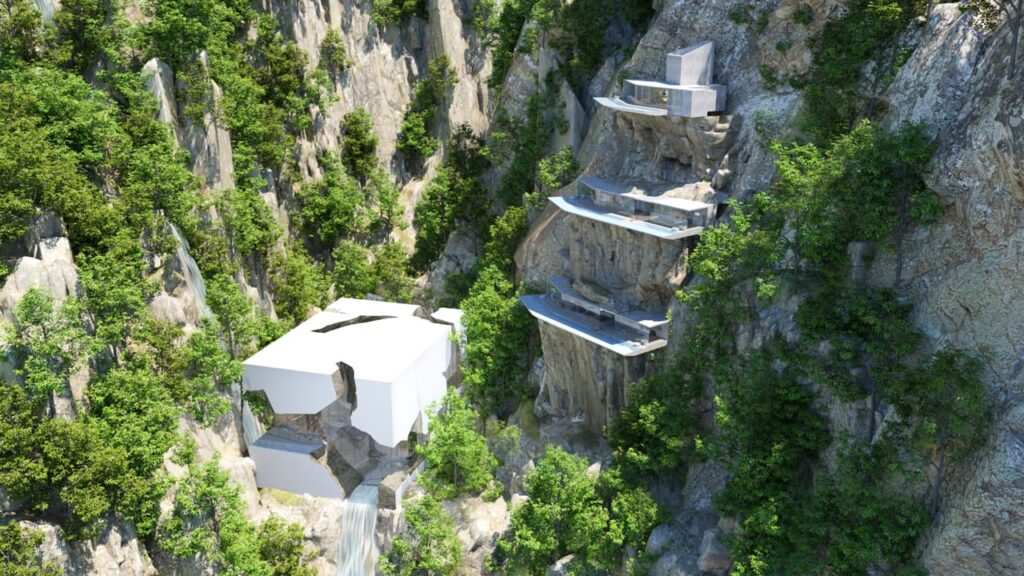
【A virtual hotel built on the bedrock of Daisetsuzan】 Recently our company launched a virtual hotel, Hokkaido Rock House designed by Sou Fujimoto. It is built on the bedrock of Daisetsuzan in Hokkaido. I am sure that anyone who was bor... -
The Fusion of Art and Science: From Pixar’s Curly Hair Logic to Sou Fujimoto’s Hokkaido Rock House
Why was I, a former "movie snob," moved by the Science Behind PIXAR? Because CG animation perfectly fuses art and science. For example, PIXAR engineers added "shock absorbers" to virtual springs to naturally animate Merida's curly hair in Brave. Following this logic, we commissioned world-famous architect Sou Fujimoto to design a virtual Hokkaido Rock House (he said yes, probably because he's my high school senior). His design occupies the perfect, non-reproducible space between pure imagination and cold reality—the future of harmonious living. -
How about Cycling in Hokkaido?
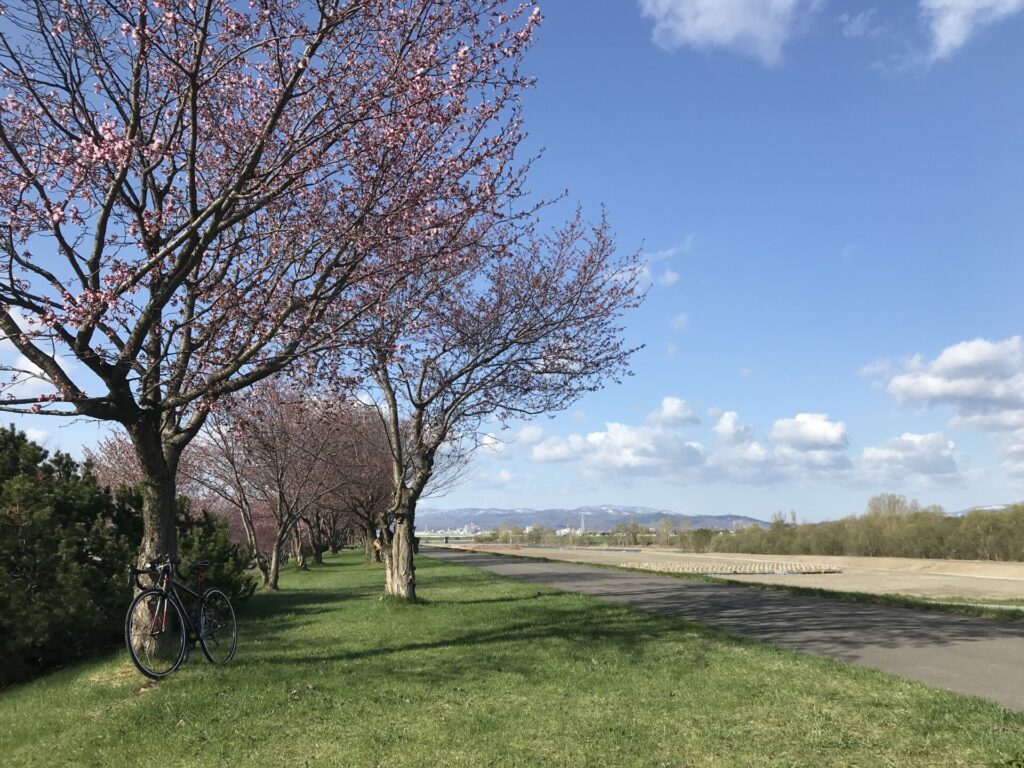
【What would you like to do on your free time in Hokkaido? 】 If you were to move to Hokkaido and start a new life, what hobbies would you like to do on your free time? Hokkaido is one of the most comfortable places in Japan for cycling.... -
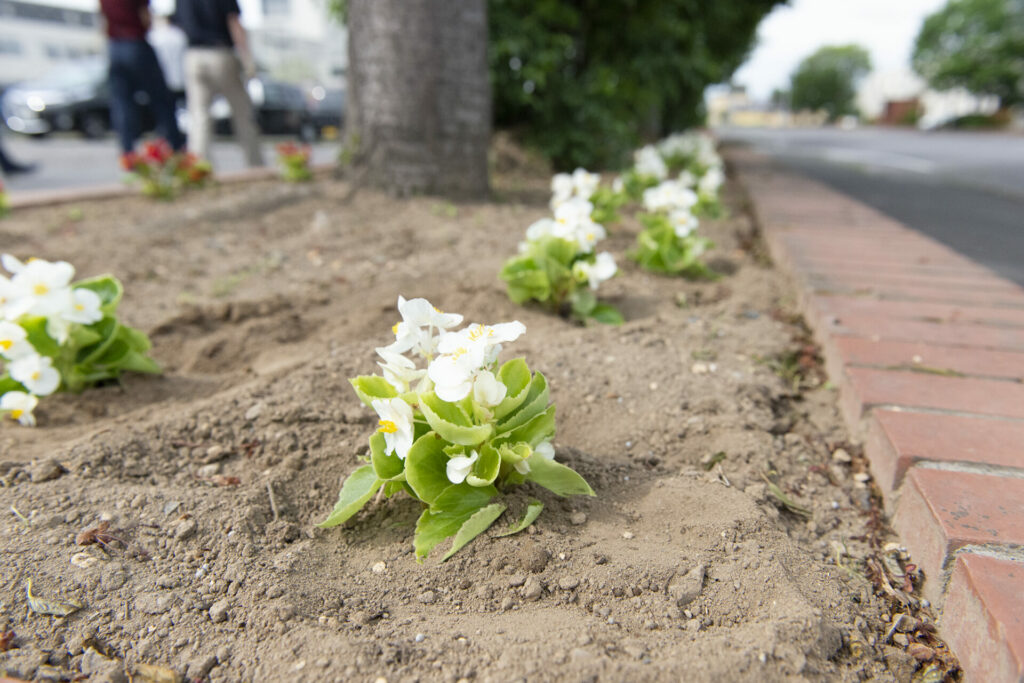
The Richard Gere Effect: Why Japanese Men Are Too Scared to Buy Flowers
Why are Japanese men paralyzed by the idea of buying a simple bouquet? I analyze the Richard Gere Effect: the shame of gifting flowers in a "classless" society. The paralysis is compounded by the Labyrinth of Japanese flower etiquette—from avoiding red to banning potted plants. I conclude by confessing that all this intellectual agony leads to a single point: the humble Begonia we planted in front of our factory. -
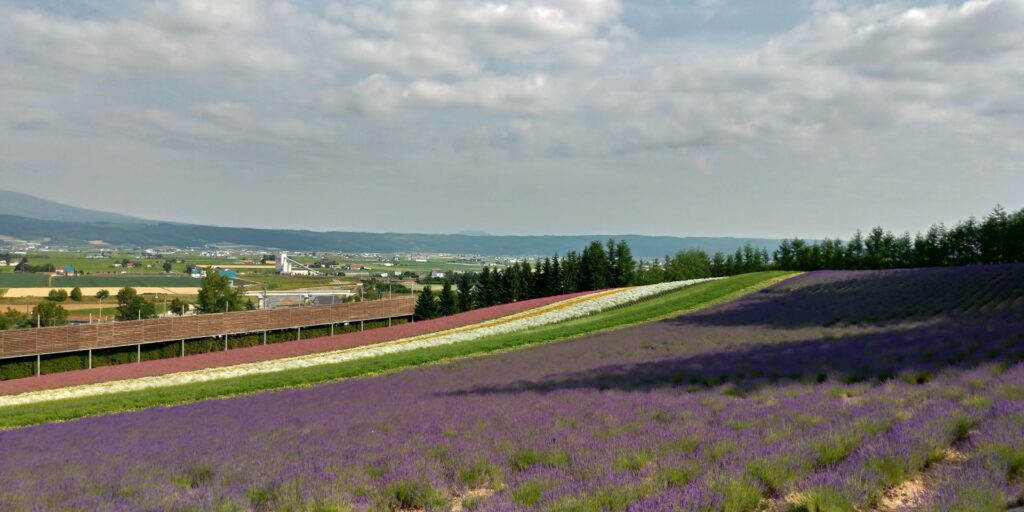
Flourishing July
In 2021, due to the epidemic, foreign tourists can't come to Japan. Otherwise, this period of the year (I'm writing this in July) is usually the peak period of tourism in Hokkaido in early summer, though flowers bloom brilliantly as usua... -
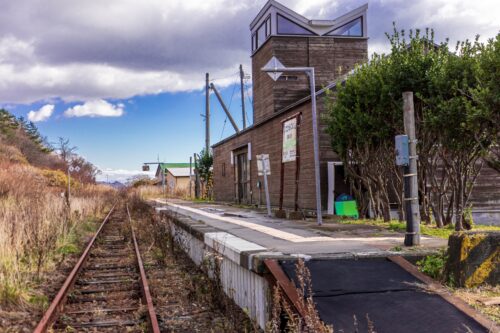
The Romance of the Rail: Why Trains are Still the King of Travel
A train track is more than just infrastructure; it’s a concrete promise. Join me as I explore the unique psychology of Japan’s rail enthusiasts, the "ghost stations" of the Hokkaido wilderness, and why you should experience the world’s most punctual rail system before the silent beauty of the ruins takes over. -
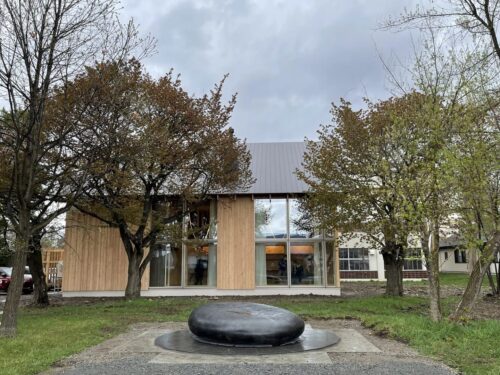
The Outlaw Mayor and the Architect: How a Tiny Town Broke the Japanese Bureaucracy
I used to work in the "living hell" of the Ministry of Finance, where one mistake could end a career. Join me as I contrast the cutthroat world of Tokyo's elite bureaucrats with the miracle of Higashikawa—a tiny Hokkaido town that banned the word "no"—and why architect Kengo Kuma chose this rebellious community for his new satellite office.