
japan– tag –
-

The “Flying Penguin” Philosophy: How a Dying Zoo Saved My Hometown
For a child in the 90s, Asahiyama Zoo was a "hell" of boredom. Today, it is a miracle of life. Explore the revolutionary shift from "caged animals" to "flying penguins" and see how this local success story inspired CondeHouse to turn their furniture factory into a spectacle of human craftsmanship. -
The KFC Lie and the Strawberry Illusion: How Japan Ends the Year
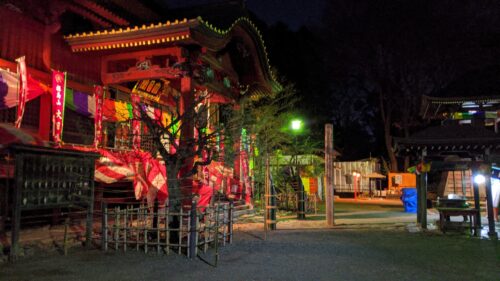
In Japan, Christmas is built on two brilliant marketing lies: fried chicken and strawberry shortcake. But as soon as the feast ends, we pivot to "Oosouji"—the sacred ritual of winter cleaning. Join me as I explore the delightful chaos of Japanese culture skimming, why we scrub floors in the cold, and how cleaning my PC files at CondeHouse became my ultimate end-of-year reflection. -

The Zen of the Scoured Pot: Why Hard Work Still Tastes Better
Modern logic says anyone can be a chef with a good recipe, but the story of Kiyomi Mikuni proves otherwise. From scrubbing pots at the Imperial Hotel to becoming a global icon, join me as I explore the "illogical" beauty of hard work and the extraordinary Hokkaido restaurant where his philosophy—and our chairs—come together. -
The Sculptors in Uniform: Why Hokkaido’s Winter is a Fortress of Craftsmanship
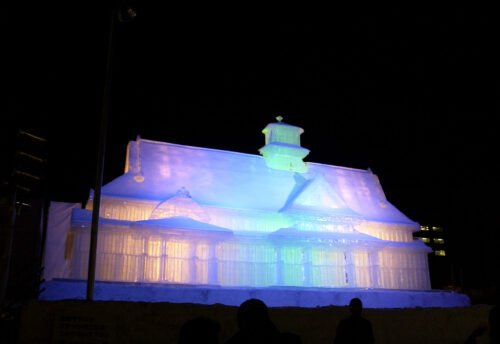
What happens when you give a military unit a mountain of snow and a Disney manual? You get a miracle that defies market logic. Explore the deep connection between Hokkaido's vanishing railways, the "military-grade" snow art of Asahikawa, and why true craftsmanship can never be "rebuilt" once it's lost. -

The Prius Paradox: Why the Future Doesn’t Need Flying Cars
The 21st century didn't bring us flying cars or Hogwarts adventures, but it did bring us the Prius. Join me as I reflect on the emotional legacy of Osamu Tezuka, the day Hollywood stars rejected limos, and why I believe the furniture industry is heading for its own "Prius moment." -
Hokkaido vs. Other Ski Destinations: What Makes It Special?
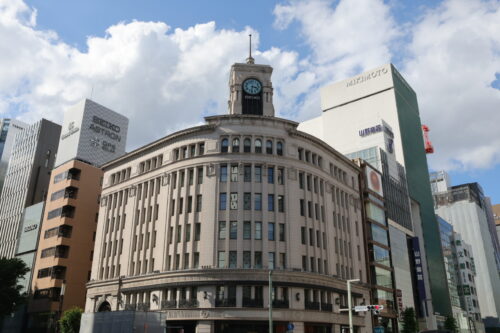
【Real estate bubble in Niseko】 Ginza is the area in Tokyo well known as a luxury area. The above image (the thumbnail image) is Ginza 4th block's intersection. The area holds the highest land price record in Japan: about 500,000 USD/sq... -

How to Perform the Strength Test for Chairs
The movement of tilting back chairs just like students do in a classroom is most severe structurally for chairs, and it is highly likely to give heavy damage to chairs. This is the reason why the same movement is adopted in the standard strength test of chairs as shown in the contained movie. Chairs are jerked in the backrest with the weight of 60 kg on the seat. -

The Apollo 13 Paradox: Why Productivity is a Trap for the Soul
Society is obsessed with productivity, but I believe we’ve lost the plot. Join me as I discuss the "Lieutenant Dan" effect in Apollo 13, the myths surrounding Japan’s labor efficiency, and why the real value of our factory’s Kaizen activities isn't the time saved, but the human souls discovered in the process. -

How to Make Waiting Times into Fun and Enjoyable Moments
Do you know a photo-sharing app called Dispo? Humans basically dislike being kept waiting, but even such primitive human nature may be changing among the new generation people somehow. -
The Art of Strategic Laziness: How to Survive a Japanese Onsen
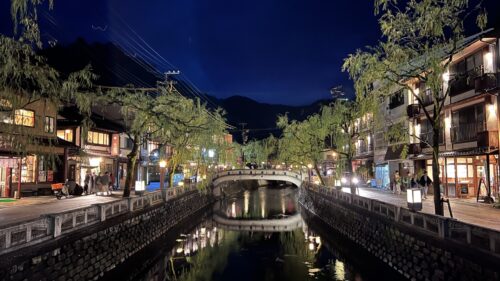
In an onsen, everyone is equal because everyone is naked. Explore the fascinating history of how Japanese hot springs served as a sanctuary from social status and the "curse" of productivity. From Samurai "resetting" their souls to the art of the Yukata waddle, discover the ultimate way to spoil yourself.