
japan– tag –
-
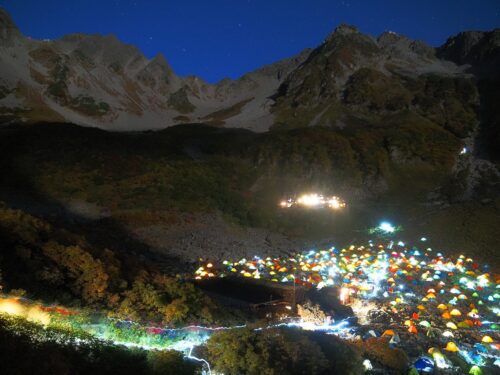
What Makes Camping So Appealing to Everyone Today?
People who like camping will say “It’s for extraordinary experiences,†but what people actually do in camping are boiled down to super-ordinary things, like preparing meal, eating, clearing up after meal, and sleeping. I know it’s important to do such everyday routines in nature. -

September in Sapporo
Sapporo in September, completely different from the main land of Japan where people still suffer from lingering summer heat. The capital city of Hokkaido has a population of two million, but has such a big natural park in the center of t... -

The Sound of Silence: Do You Have the “Ninja Ears” of the Japanese?
My sister thinks my personality is "Tofu," but my brain thinks insect noises are a language. Join me as I explore the bizarre world of Japanese onomatopoeia—where we can talk only in "fluffy" sounds—and discover the "Ninja Ears" that allow our craftsmen to hear the silent voices of Hokkaido trees. -

What Is Work? Do We Still Have to Work?
Most of us simply believe our work contributes to society or someone else, and also that that’s the reason why money is paid for work. In fact, we may have just wasted time in the name of work for things no one wants, and may no longer work for money. -
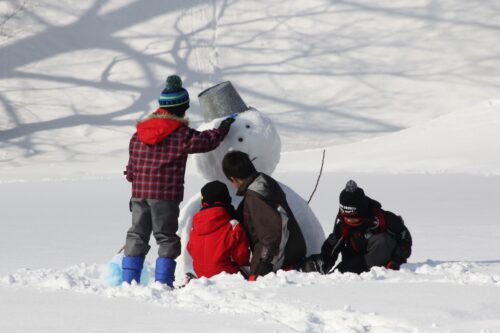
The Complex of the Frontier: How a Baseball Victory Changed the Soul of Hokkaido
TDoes a shared inferiority complex shape a regional soul? I argue that Hokkaido people—who often view the mainland as the 'better' Japan—have historically carried the Complex of the Frontier. I trace the moment this complex found catharsis: the 2004 high school baseball victory. This shift created a unique Hokkaido Humility—a grounded flexibility that defines our local spirit and is reflected in the open-mindedness of our furniture craftspeople. -

Can Little Lies Be Good for Us?
【A world without lies】 How many lies did you tell yesterday? It is said that we lie more than 200 times a day, no worries. "The innovation of lying" is the title of a comedy movie, not new but more than 10 years ago. The movie really w... -

The Uncanny Valley: Why “Almost Human” Creeps Us Out
If Totoro looked like a human, he’d be the star of a horror movie. This article explores the "Uncanny Valley"—the psychological dip where "almost human" becomes "terrifying." Learn why we fear zombies and how organic furniture design avoids the "creepy" factor to create true comfort. -
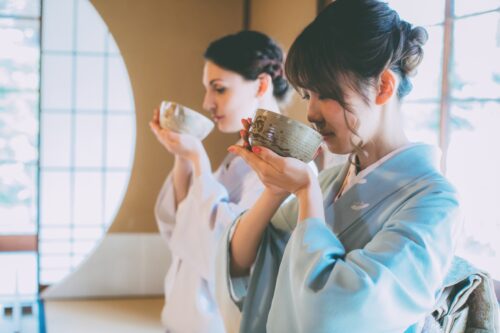
The Zen Paradox: Why an Old Rock is Beautiful (and Why I Can’t Stylize Snacking)
What makes Sadō (tea ceremony) a profound ritual rather than just drinking tea? I argue that the merchant who formalized it was a genius to elevate a simple daily routine. This leads to the Zen Paradox: the spiritual core of mindfulness that balances objective observation (seeing a dirty rock as it is) with imaginative emptiness (seeing a whole garden in a single flower). We hope this Zen spirit will make you see expansive beauty in the simplicity of our furniture. -
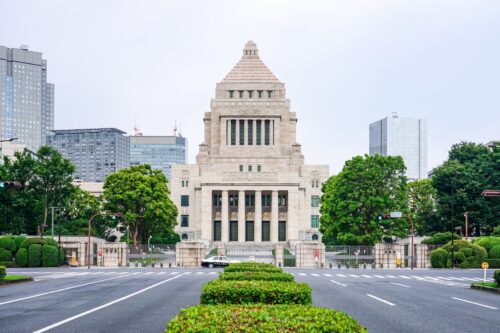
The Backlash Wisdom: Why Ambiguity is the Japanese Architect of Harmony (and the Key to Durable Furniture)
Ambiguity is a necessary evil—a survival mechanism. We explore the theory that Japanese ambiguity is genetic (linked to S-alleles of the serotonin transporter). Discover the Backlash Wisdom: Ambiguity is not a failing, but a necessary cultural cushion—just like the intentional 'play' in a wooden furniture joint that keeps the whole structure from tearing itself apart. -

The Death of the “Monster”: Why Efficiency is Killing Our Passion
In the 90s, the only rival for a GT-R was another GT-R. Explore the "American Graffiti" days of Hokkaido's streets and why our past chairman’s defiance of marketing reflects the beautiful, irrational soul of human craftsmanship.